Nikkei und Kospi: Asiens Börsen legen zu – Zinshoffnungen überwiegen Nahost-Sorgen
Die asiatischen Investoren blenden die geopolitischen Risiken weitgehend aus. Die Indizes profitieren von KI-Euphorie und der Hoffnung auf eine Zinspause in den USA.
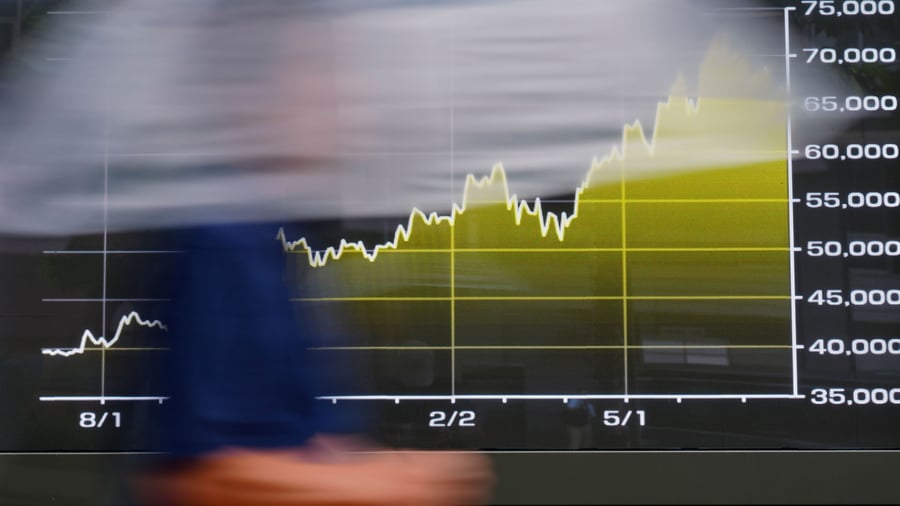
Asian stock markets closed on a positive note, buoyed by expectations of a potential interest rate pause in the United States and ongoing enthusiasm for artificial intelligence (AI). The MSCI Asia-Pacific index outside Japan surged by 0.28%, marking its strongest weekly gain since mid-June. The Japanese Nikkei index climbed 1.5% in Tokyo, while South Korea's leading index, the Kospi, rose 0.82% to close at 6868.89 points, ending a seven-week losing streak.
Despite unsettled peace talks in the Middle East and the US warning of heightened economic pressure on Iran and a potential naval blockade, investors largely overlooked geopolitical risks. John Sidawi, a portfolio manager at Federated Hermes, noted that "markets appear ready to tolerate a significant degree of uncertainty without demanding higher risk premiums."
South Korean technology stocks benefited from AI optimism, with SK Hynix semiconductor company shares up 3.01% and Samsung Electronics shares falling 0.37%. Automotive giants Hyundai Motor and Kia Motors also gained, with increases of 5.73% and 1.97%, respectively. In China, the People's Bank of China (PBOC) injected 349 billion Yuan into the banking system, signaling tighter control over short-term interest rates.
Charu Chanana, an investment strategist at Saxo, cautioned against excessive optimism in Asian markets, citing the rally's reliance on headlines. "Without clarity on the Middle East, a renewed oil price surge could quickly reignite inflation and interest rate concerns," Chanana explained. An escalation of the conflict could draw investors back into the market, causing heightened volatility.
Written by urgent.news from Handelsblatt's reporting — not their text. Machine-written — may contain errors; check the original before relying on it.