Newsfile to discuss AKSA energy deal, legal vacation and GoldBod losses
Ghana is chasing corruption, tightening control over its natural resources and spending billions to reshape the economy. But as government exercises greater power in the name of the public interest, difficult questions are emerging about accountability, due process and who ultimately pays when the state gets
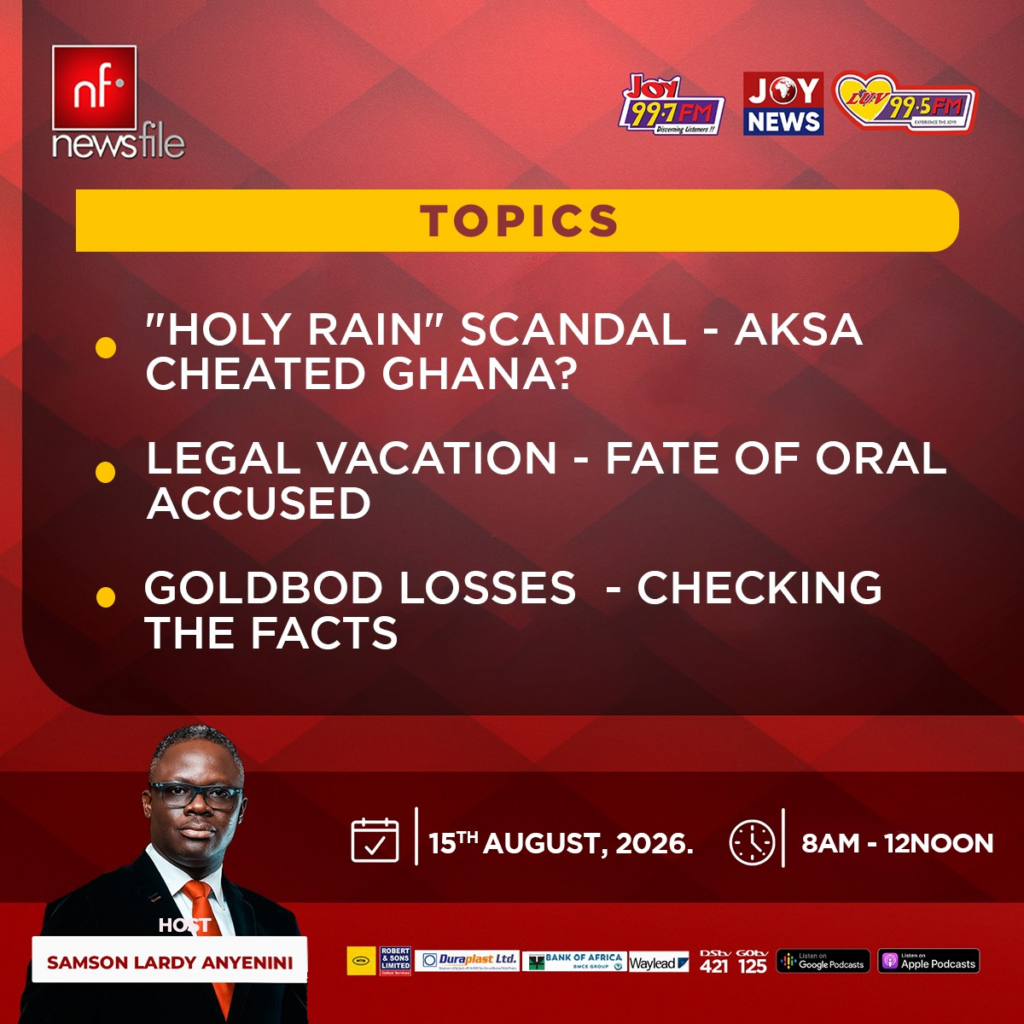
Ghana is intensifying efforts to combat corruption and assert control over its natural resources, with the government spending billions of dollars to transform its economy. However, this increased government power raises numerous questions regarding accountability, due process, and the financial ramifications of state actions.
One such controversy revolves around the GoldBod energy deal, where the International Monetary Fund (IMF) reported about US$1.7 billion in losses associated with the DGPP. GoldBod counters that its own audited statements reveal a substantial surplus, prompting questions about the true nature of the reported losses and the impact of the agreement on the institution's finances.
Another contentious issue is the AKSA power deal, currently under scrutiny by a U.S. prosecution involving former Goldman Sachs banker Asante Berko. Allegations of bribery and the use of shell companies in the transaction have surfaced, leading to a debate on whether Ghana was cheated and who gained from the alleged scheme. The questions of state accountability and the potential for recovery of any financial losses are central to this case.
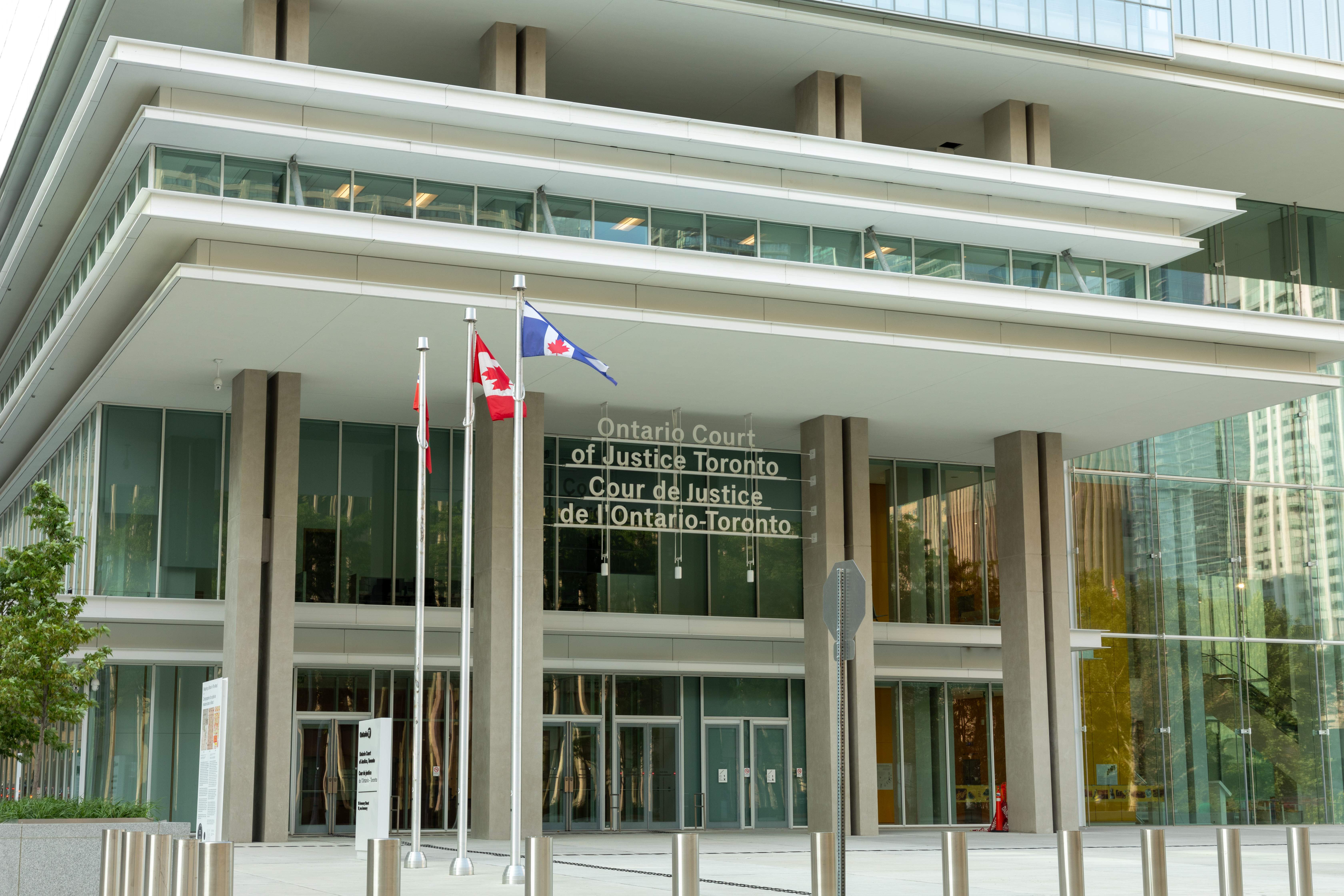
Simultaneously, a two-month legal vacation raises concerns about the government's handling of ORAL cases – numerous criminal cases deemed ready for prosecution. The potential slowdown of the government's corruption drive due to the vacation period is a significant concern, as urgent criminal cases may be delayed while the vacation progresses. This could impact the momentum of these cases as they move forward.
Lastly, the Adamus controversy adds another dimension to the ongoing debate over state power and due process. Government authorities revoked three Adamus Resources leases due to alleged breaches of mining laws. However, the company disputes these allegations and claims that the revocation itself violated due process. As the dispute persists, the government's actions come under increased legal scrutiny, similar to the legal scrutiny mining companies must endure.
This leaves questions about whether the government's actions are enforcing the mining law or potentially subjecting itself to the same legal scrutiny it seeks from private companies.
With these four controversies – the disputed GoldBod losses, the AKSA power deal allegations, the impending legal vacation, and the Adamus due-process dispute – Ghana faces a complex landscape of accountability, power, and legal challenges. The upcoming discussion on JoyNews and MyJoyOnline will delve into the facts, arguments, and crucial questions Ghana must confront in navigating these issues.
Written by urgent.news from MyJoyOnline Ghana's reporting — not their text. Machine-written — may contain errors; check the original before relying on it.