New York loses millions in sex ed money after uptick in teen pregnancies
This story originally appeared in New York Focus , a nonprofit news publication investigating power in New York. Over the past two and a half years, 17-year-old Ana Ortega has visited dozens of high school classrooms across the South Bronx and Harlem, leading conversations about consent, healthy dating behaviors, and safe sex with students her own age. “A lot…
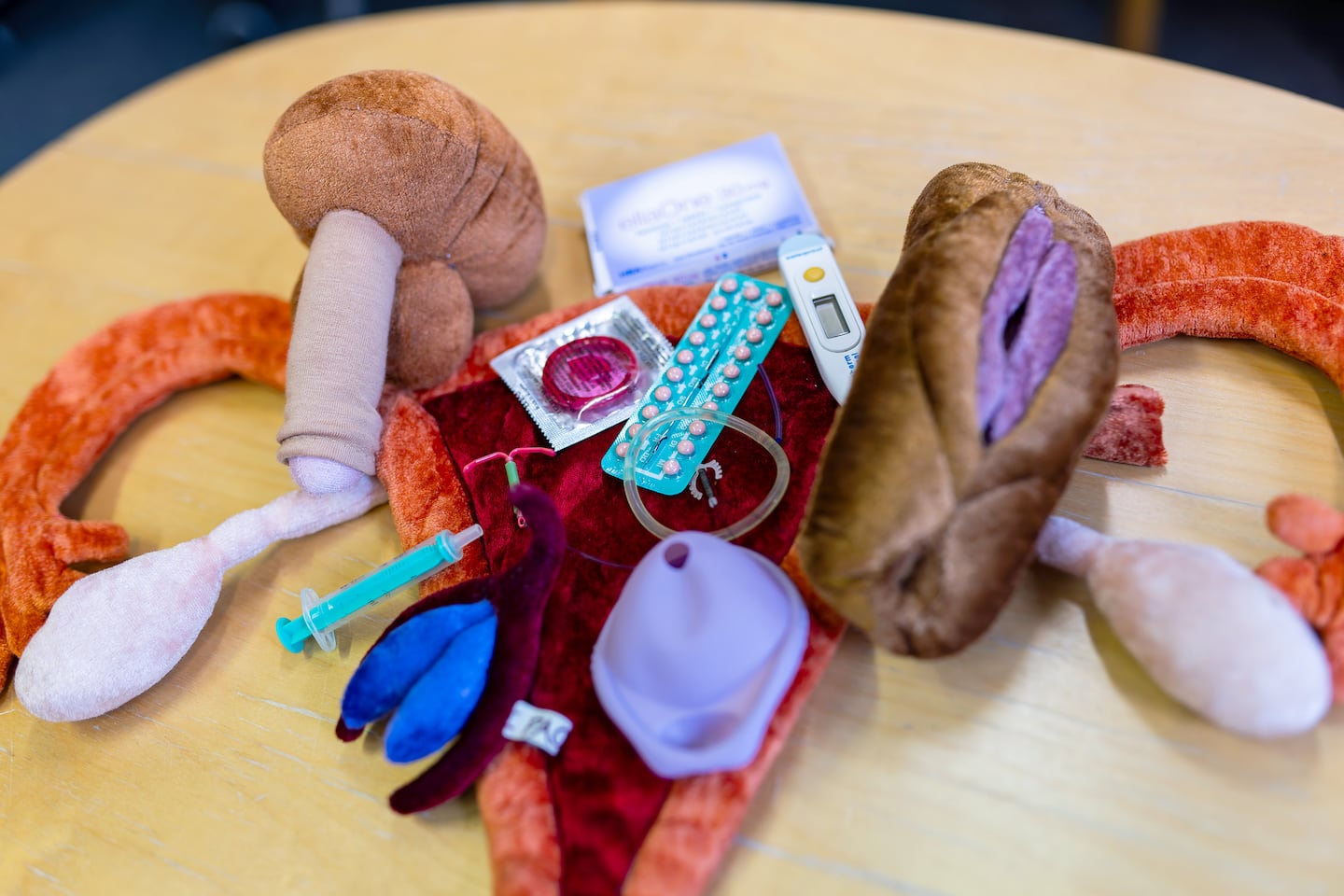
Over the past two and a half years, 17-year-old Ana Ortega has been conducting sexual health education sessions in New York City classrooms, collaborating with Children’s Aid. The organization's teen pregnancy prevention initiative, which has been operating for over a decade, was abruptly terminated by the Trump administration. The federal Department of Health and Human Services (HHS) terminated Children’s Aid's grant, affecting three New York grantees losing over $4.3 million annually to provide sexual health education to more than 19,000 young people.
This termination comes at a critical time, as teen pregnancy rates have increased in New York state and city for the first time in two decades. HHS has shifted its focus towards abstinence-based initiatives, terminating all but 14 of the 67 federal Teen Pregnancy Prevention grants nationwide. New York's congressional delegation wrote to HHS Secretary Robert Kennedy Jr. urging him to reinstate funding for the three affected programs.
Children’s Aid relies on building trust with young people and addressing body image, sexually transmitted infections, and healthy decision-making. With the loss of the $936,700 annual grant, the nonprofit may have to eliminate most of its programming, including peer mentors and sex ed at the city's Children's Center. New York City Health Department spokesperson Rachel Vick emphasized the importance of comprehensive sex education, stating that teenagers want truth and honesty from adults in their lives.
The cuts also eliminate $1.4 million annually for the HOPE Buffalo program, which reduced teen pregnancy rates in high-poverty Buffalo neighborhoods by 36 percent from 2015 to 2020.
Written by urgent.news from Chalkbeat's reporting — not their text. Machine-written — may contain errors; check the original before relying on it.