Modern consumers crave "events", and the games industry needs to provide them | Opinion
For almost as long as the games industry has existed, the conventional wisdom around sequels has remained the same: strike while the iron is hot. If you have a hit game, ensure you get a sequel out the door before the public loses interest. If you have more than one hit in a row, that's a franchise, and those need a steady release cadence to ensure the brand's momentum doesn't falter. Read more
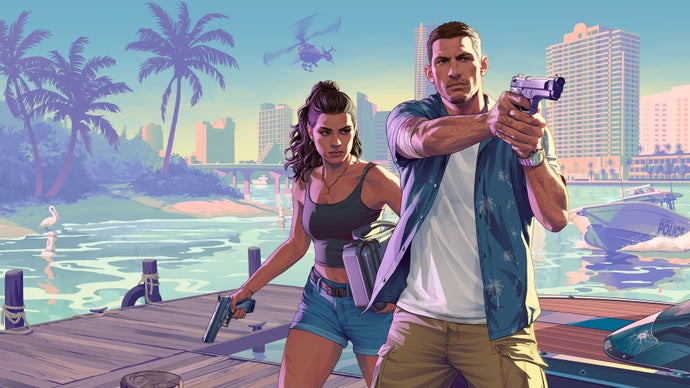
Modern consumers seek out events, and the gaming industry must provide them, according to an opinion piece. Traditionally, the gaming industry followed a pattern of quick sequels and franchises, but this approach has shifted in recent years. Franchises that released yearly have largely vanished, and time between sequels has increased to five or six years.
While some argue that this change is due to longer development times and the need for DLC to justify full-price sequels, the root cause is a shift in consumer behavior. Audiences now evaluate media and allocate money and attention differently, favoring games and movies that feel like events. This change is apparent in the film industry, where major summer releases have mixed results, with some being critical or box office failures.
However, successful movies that felt like events, such as The Odyssey and Backrooms, have performed well. Similarly, game consumers are motivated to engage with games that can grab attention in a cluttered cultural landscape. Thus, the gaming industry must adapt to this shift in consumer preferences by creating games and experiences that feel like events.
Written by urgent.news from GamesIndustry's reporting — not their text. Machine-written — may contain errors; check the original before relying on it.