“Mirad sus brazos. Está buenísimo”: el auge de los políticos guapos se hace viral
La presencia en redes del candidato a senador estadounidense Abdul El-Sayed desata un debate más amplio sobre la relación entre fotogenia y éxito político
The rise of physically attractive politicians is gaining attention in today's society, as their appearance plays a significant role in their power and influence. Plato, in his Republic, noted that physical appearance was part of an unwritten set of laws governing a state, demonstrating the importance of a politician's physique even in ancient times.
Richard Fox's Lincoln's Body explored how Abraham Lincoln's appearance impacted his career and political legacy, suggesting that being seen as unattractive would have negatively affected his campaign against Richard Nixon.
With the advent of television, physical appearance became even more crucial, as demonstrated by Nixon's loss to Kennedy due to their televised debate. Richard Rajoy, a politician, joked about needing to change his look, but ultimately, he firmly stated that his appearance is difficult to alter. Studies show that women have historically voted for political leaders based on their physical attractiveness, a sexist notion that suggests women lack the criteria to assess a candidate's merits beyond their looks.
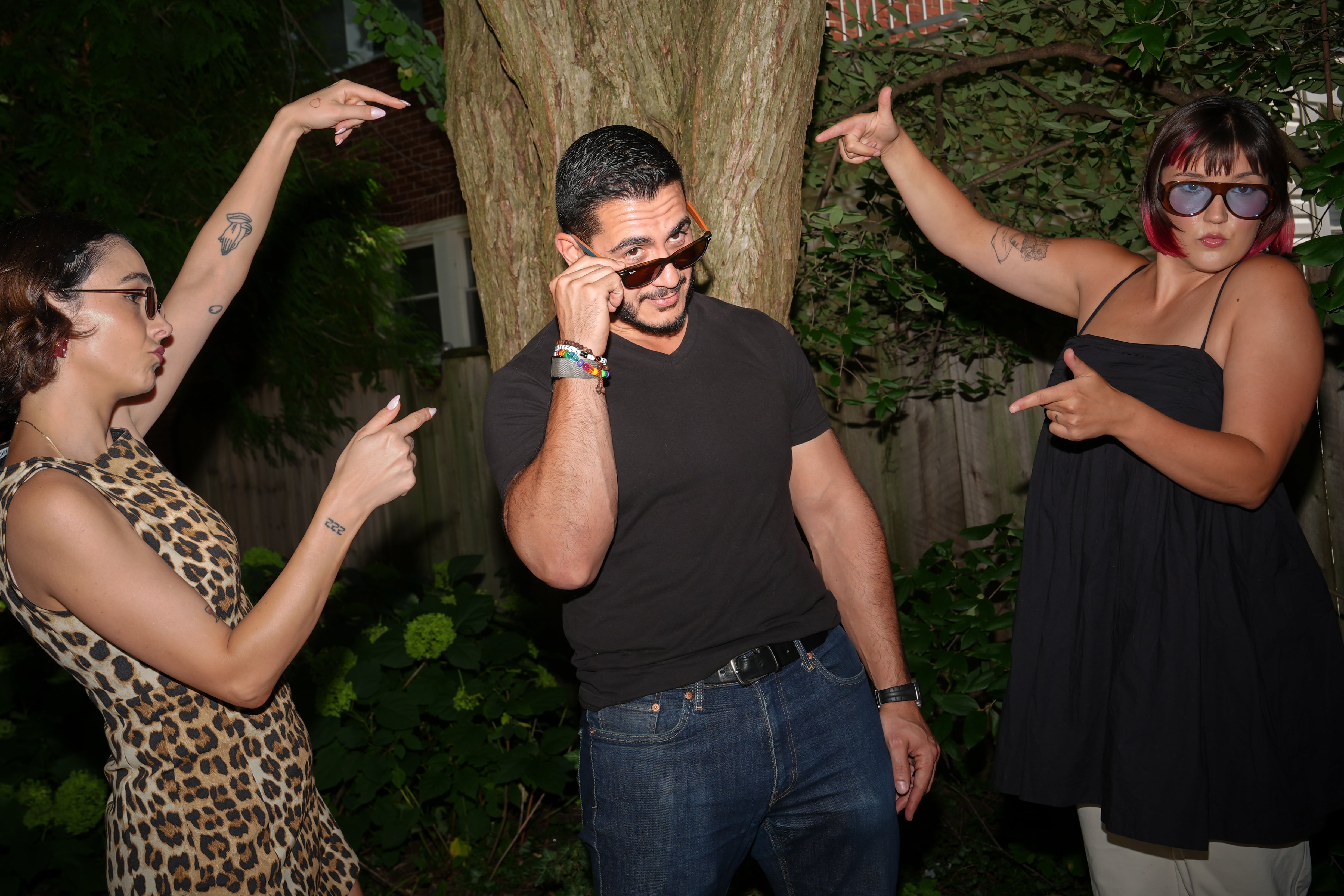
In modern times, Abdul El-Sayed, a Democratic candidate for the U.S. Senate, has garnered attention for his good looks. People have commented on his chiseled physique and broad shoulders, with one user joking that he would make JD Vance look "ridiculous" if he were to face him in 2028. Another user questioned whether El-Sayed's physical attractiveness alone would be enough to sway voters, but countered that his medical background and deep commitment to his community make him deserving of support, regardless of his appearance.
Zohran Mamdani, another politician often praised for his looks, received a humorous response from Donald Trump when asked about his opinion on Trump's frequent compliments about his appearance. Meanwhile, Miguel Ángel Martín Blanco, a professor at the USAL and researcher at Diacronía, confirms that physical appearance is a significant factor in political communication, particularly in societies where visual media dominates.
He warns that the concept of beauty is subjective and varies across different sectors of society, but ultimately, beauty is associated with virtue and goodness.
Joan Callarissa draws a parallel between the rise of physically attractive politicians and influencers, stating that the one with the most captivating face has the power to capture attention. He emphasizes that in today's disengaged democracy, being physically attractive can ensure a politician's presence, followed by consideration and possible voting.
Ignacio Martín Granados, a political scientist, explains that psychology suggests people tend to attribute positive qualities to those who are physically attractive, which can sway the opinions of less informed voters. However, he clarifies that leadership and credibility remain essential for maintaining support.
Finally, both El-Sayed and Mamdani's physical appearances are reflective of the evolving beauty standards in a globalized world. Martín Granados notes that the political canon of aesthetics has expanded, allowing for a more diverse representation of leaders that citizens can identify with. Simultaneously, social media has expanded the scope of physical attractiveness in politics, creating a more inclusive landscape for political leaders.
Written by urgent.news from El Pais's reporting — not their text. Machine-written — may contain errors; check the original before relying on it.