Mian Zahid says concerned at goods transporters’ strike
KARACHI: Mian Zahid Hussain, President Pakistan Businessmen and Intellectuals Forum and All Karachi Industrial Alliance, Chairman National Business Group Pakistan and Chairman Policy Advisory Board FPCCI, has expressed serious concerns over the nationwide goods transporters’ strike, saying that the issue is no longer confined to the transport sector and is developing into a major economic…
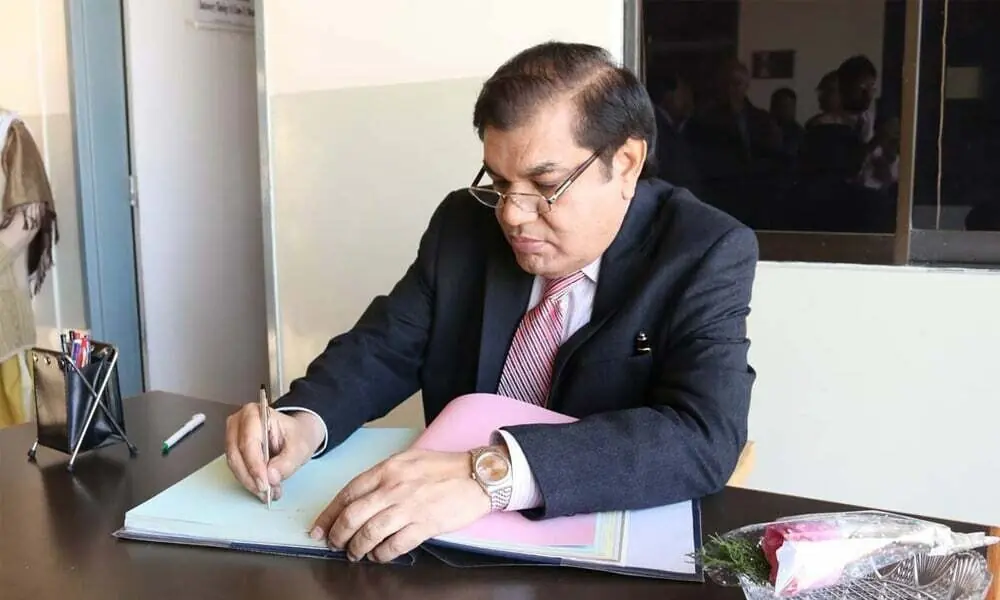
Karachi - Mian Zahid Hussain, head of several business and industrial organizations in Pakistan, has expressed grave concern over the ongoing nationwide goods transporters' strike. This dispute, which began on August 8, is causing significant economic problems beyond just the transport sector, threatening importers, exporters, industries, traders, and consumers. The strike has disrupted the movement of over 400,000 vehicles carrying goods, affecting the economy severely.
Transporters are protesting against various taxes like withholding, toll, axle-load, and customs-related issues, along with daily fluctuations in diesel prices. Both the government and transporters must engage in constructive negotiations to find a solution. The longer the strike continues, the more losses businesses suffer across the nation.
Importers are among the hardest hit as they face disruptions in the clearance and transportation of imported goods at Karachi Port and Port Qasim, leading to mounting storage and handling charges.
Pakistan imported goods worth around $6.89 billion in July 2026, and total imports for the fiscal year 2025-26 were $69.597 billion. This amounts to nearly Rs64 billion worth of cargo being moved daily. If inland transportation from the ports is disrupted, business costs will skyrocket, ultimately passed on to the consumers in the form of higher prices.
The export sector is also under pressure, with export containers worth $500 million stranded at factories due to missing vessel cut-off times. This situation results in delays, additional costs, and potential loss of international buyers.
Pakistani industries face continuous pressure as imported and locally sourced raw materials are not reaching factories, while finished goods cannot make it to ports and markets smoothly. The textile sector, which generates about $18 billion in annual exports and is already struggling with high business costs, has been severely affected.
Mian Zahid also warned about the impending closure of petrol pumps nationwide from August 15 by petroleum dealers, which could further disrupt fuel supply and retail sales, leading to serious consequences for business activity, supply chains, and inflation.
Mian Zahid urged the government to form an empowered negotiating committee involving relevant ministries, the Federal Board of Revenue, the National Highways Authority, port authorities, FPCCI, and transporters to quickly resolve the ongoing issues. He emphasized that Pakistan cannot afford to cripple its logistics and supply chains while trying to boost exports and revive the economy.
A dispute in the transport sector should not become a financial punishment for the entire economy. He appealed to transporters and petroleum dealers to call off strikes and resolve their grievances through negotiations, rather than adding to the country's troubles during this challenging period.
Written by urgent.news from Business Recorder's reporting — not their text. Machine-written — may contain errors; check the original before relying on it.