Just like with the yen, America cannot save the AI bubble
In a rare intervention, the US has propped up the Japanese yen. The move is seen as a bid to hold off a further rise in yields for US government bonds – amid Japan’s sell-off of US Treasuries to fund its shoring up of the yen – a rise that threatens the US artificial intelligence bubble. That the United States bought yen for the first time in decades – coordinating with Japan – had a bigger…
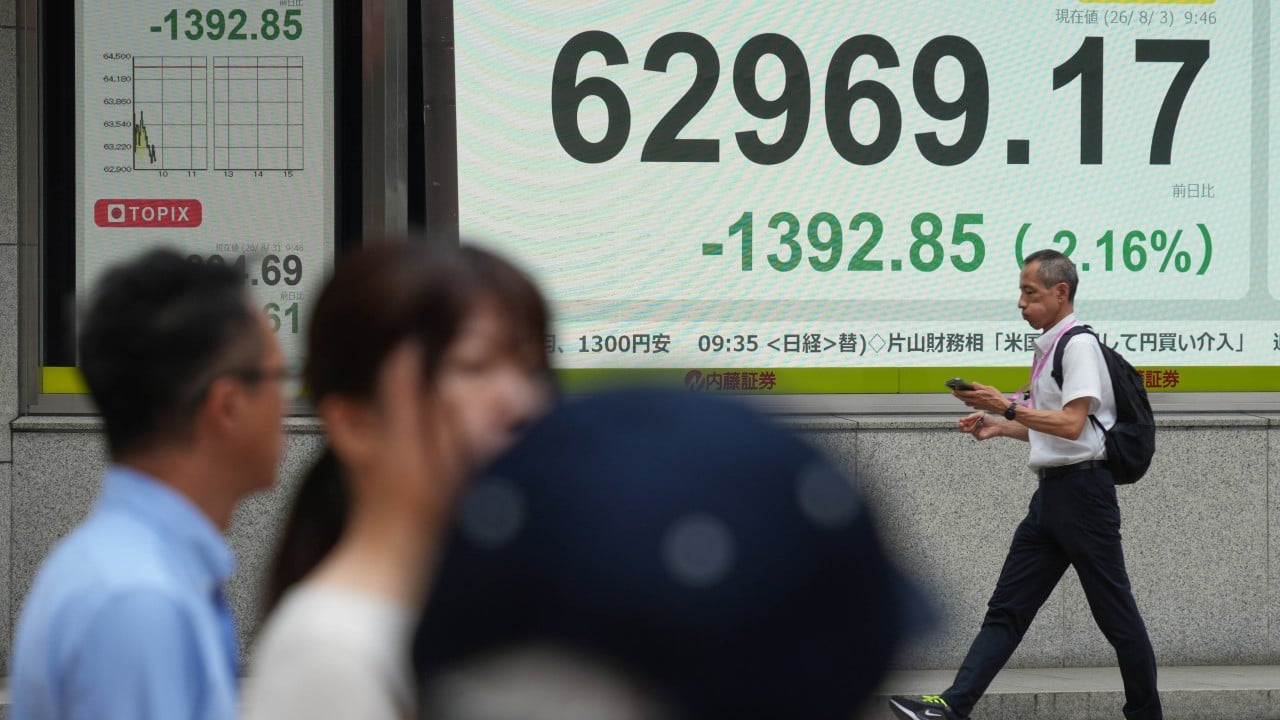
The United States recently intervened in the foreign exchange market by buying Japanese yen, a first in decades. This move aimed to prevent a rise in yields for US government bonds, which could potentially burst the US artificial intelligence (AI) bubble. However, the effects of this intervention may be short-lived, with the yen likely to regain its strength within a few weeks.
The yen's depreciation is driven by a combination of factors, including Japan's reduced car exports due to China's electric vehicle boom and the energy price surge following the Iran conflict. Japan's reliance on Middle Eastern oil for 90-95% of its imports further exacerbates its energy cost woes. The country's trade deficit in June signals the challenges ahead.
In response, Japan is depleting its reserves to support its economy. Meanwhile, China has banned "dual-use" exports to Japan and added numerous Japanese companies to its export control list, increasing the pressure on the Japanese economy. Japan's national debt, already exceeding twice its GDP, further limits its ability to defend the yen through higher interest rates.
As a result, Japan may need to sell US government bonds to buy yen, causing yields to rise. The already elevated yields could trigger a fiscal crisis. The AI bubble in the US is supported by liquidity from pandemic-era quantitative easing and the promise of productivity gains. However, rising interest rates and Chinese competition, offering AI services at lower prices, threaten this support.
The market is aware of the debt financing behind American AI companies, and Chinese competition poses a significant challenge to their pricing power. To maintain the AI bubble, US companies may need to raise hundreds of billions from the stock market. The US government is expected to ban Chinese AI for national security reasons, potentially leading to a stock market listing failure for AI firms like OpenAI and Anthropic.
If this occurs, the AI bubble will likely burst, causing a cascade effect on the broader US stock market, which has grown significantly since 2008 and is now twice as large as the economy itself. A market crash of this magnitude would be unprecedented.
Written by urgent.news from SCMP Business's reporting — not their text. Machine-written — may contain errors; check the original before relying on it.
This story
This is one outlet's version. Read the fullest account.