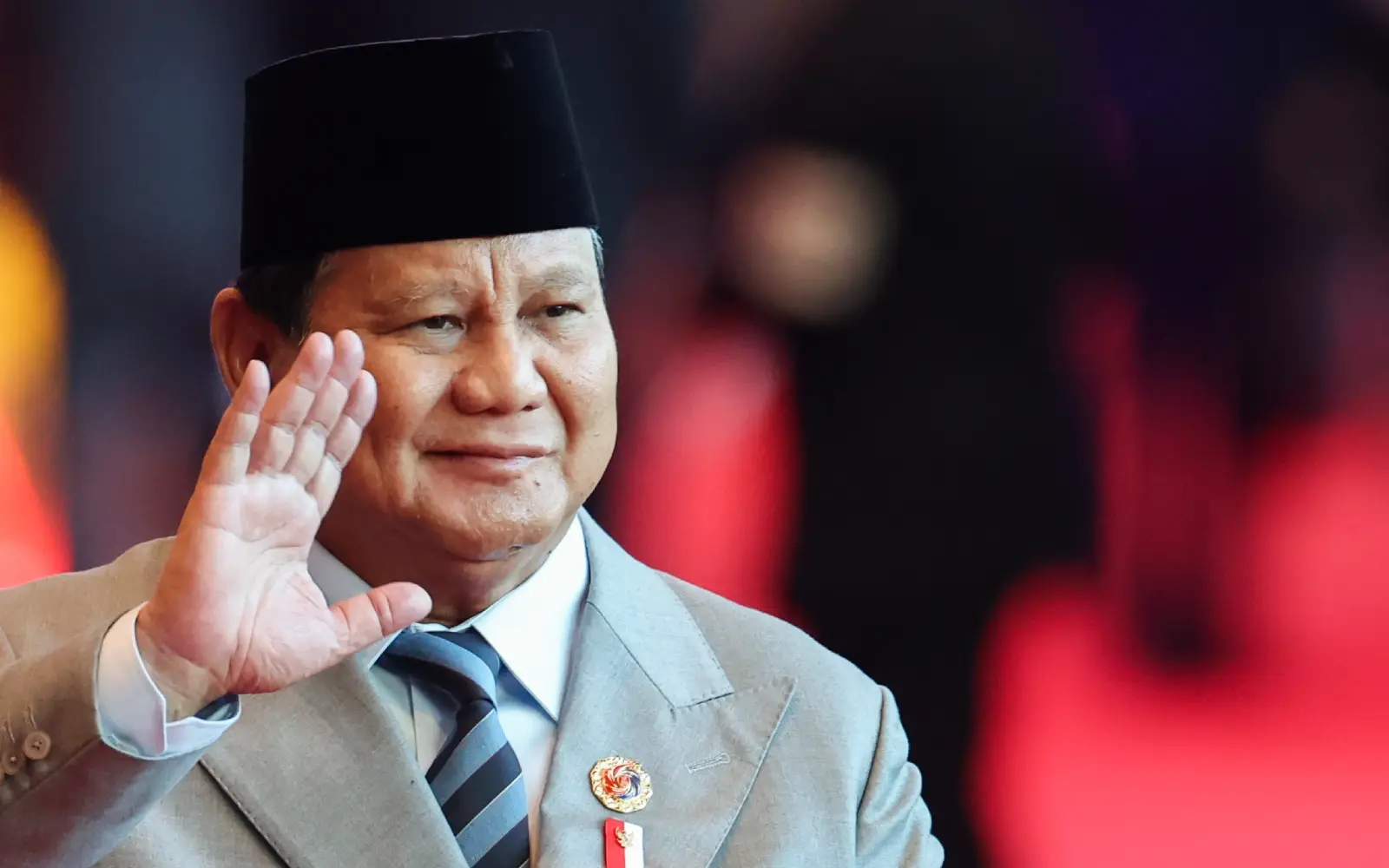
Indonesia at 81: Whose sovereignty are we celebrating?
What happens when the language used to resist external dependence starts shaping what counts as legitimate disagreement inside the republic itself?
On August 17, Indonesia commemorates the 81st anniversary of its independence amid a moment when the government emphasizes sovereignty, self-reliance, and national strength. However, the reality is that Indonesia remains dependent on foreign capital, imported technology, and external markets and institutions. This discrepancy is significant because sovereignty is not merely a measure of a state's capabilities but also a political language through which leaders set priorities and determine the acceptability of dissent.
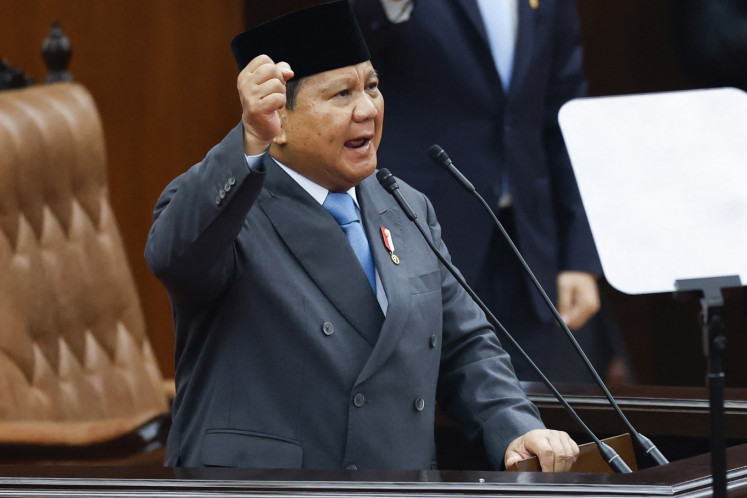
President Prabowo Subianto has positioned this vocabulary at the core of governance. Initiatives such as free meals and food self-sufficiency, energy security, industrial policy, and defense modernization are framed as expressions of national independence. While these goals are not inherently problematic, Indonesia has valid reasons to diminish its exposure to geopolitical tensions and commodity dependence.
The question arises: when the language of resisting external dependence starts defining what constitutes legitimate disagreement within the republic? A powerful state can broaden citizens' choices, but it can also centralize decisions over finances, institutions, and priorities. Power does not become democratic simply because its objectives are popular or presented as in the national interest.
The critical test is whether the strengthened central authority is accompanied by a robust capacity in other areas, such as the legislature, press, civil society, and the judiciary, to scrutinize, challenge, and, if necessary, halt government actions.
However, this balance is currently under pressure. Prabowo has acknowledged that criticism is legitimate, yet his administration has also sought foreign influence as a justification when addressing domestic dissent. As we celebrate Indonesia's independence, it is crucial to reflect on whether the pursuit of national sovereignty is being used to shape the boundaries of acceptable dissent within the country.
Written by urgent.news from The Jakarta Post's reporting — not their text. Machine-written — may contain errors; check the original before relying on it.