In 1968, California man fought over Pinnacles land price, then sold parcel for $7,400
The US government's lengthy legal struggle with Dean Brimhall culminated in a $400,000 buyout. The resolution saw the demolition of commercial facilities, including a lodge and petrol station, adjacent to Capitol Reef National Park. The agreement also put an end to quarrying operations on the land. This settlement balanced private ownership with conservation needs in southern Utah, allowing for…
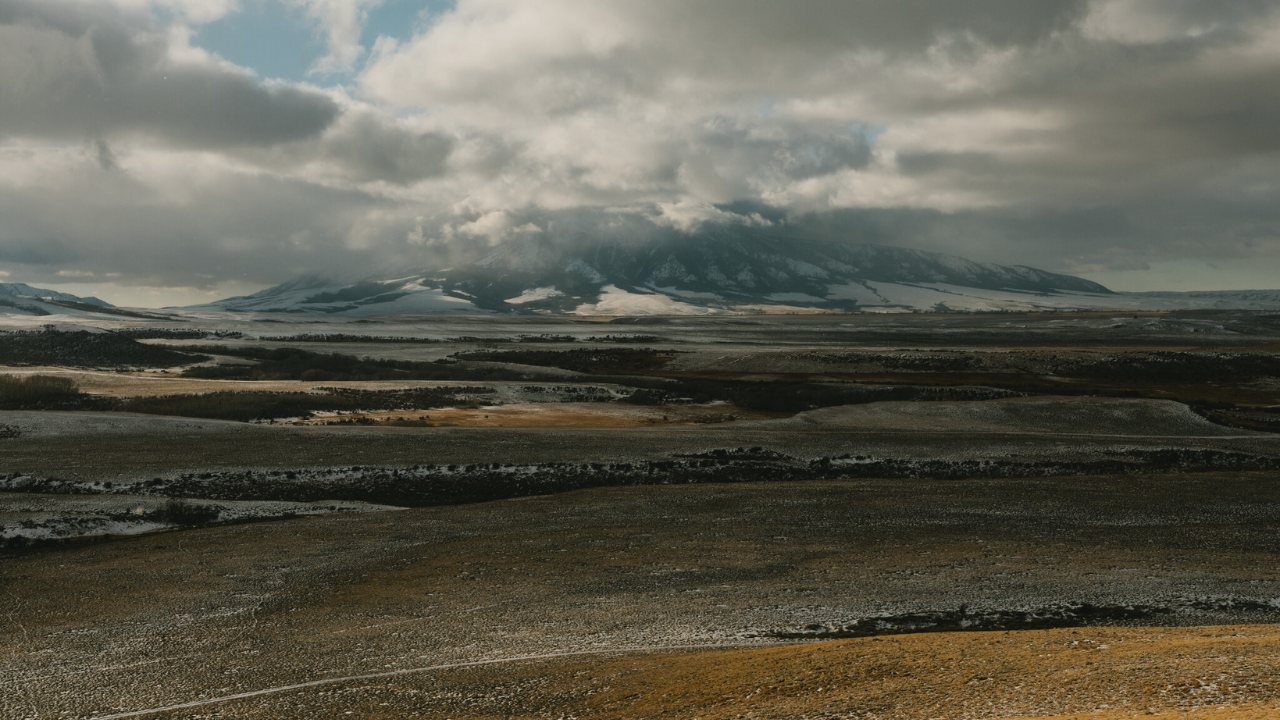
In 1968, a California man named Dean Brimhall found himself in a property dispute over land situated near California's Pinnacles National Park. This conflict stemmed from his operation of a petrol station and visitor lodge on private land that bordered the park's protected territory. As Brimhall's business expanded to include commercial stone quarrying, it drew the attention of federal land managers who viewed these activities as incompatible with the natural landscape and the conservation mission of the monument.
The disagreement persisted for several years, with federal authorities attempting to halt the industrial operations while Brimhall refused to relinquish his position. Eventually, both parties agreed to a settlement that saw the U.S. Department of the Interior pay Brimhall $400,000 in exchange for the entire property, including the land, commercial buildings, business equipment, and mineral rights.
With the property now under federal control, federal contractors were tasked with demolishing the existing structures. This included the tourist lodge, petrol pumps, service station, and the stone quarry. The land was subsequently regraded to allow native vegetation to return. This resolution marked the end of a contentious period in southern Utah, where private property rights intersected with conservation efforts during the mid-twentieth century.
The dispute over the 1964 petrol station was part of a broader history of private land ownership in Wayne County. Mormon pioneers established the agricultural community of Fruita around 1880, planting fruit orchards along the Fremont River and building homes. On 2 August 1937, President Franklin D. Roosevelt designated Capitol Reef as a national monument, protecting 37,711 acres. However, many private agricultural claims, mineral holdings, and residential properties remained within the monument.
The purchase and removal of these private properties played a crucial role in expanding federal protection across the region. On 18 December 1971, Congress formally transformed the monument into a national park, significantly expanding its boundaries to encompass 241,904 acres across Wayne, Garfield, Emery, and Sevier counties. Today, the park, with its arid climate, rich cultural heritage, and diverse biodiversity, stands as a testament to the successful integration of conservation and land use management.
Written by urgent.news from Times of India's reporting — not their text. Machine-written — may contain errors; check the original before relying on it.