Hundreds missing after Colombia quake, rescue hopes fade
Hopes of finding more survivors of the powerful earthquake that rocked Colombia early this week were fading as rescue workers narrowed their searches, while families in the worst-hit areas waited for news of missing relatives.
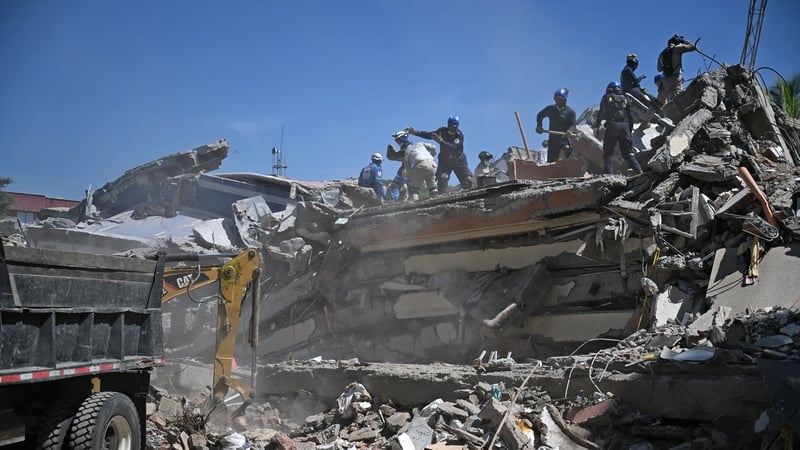
As the powerful 7.4-magnitude earthquake that shook western Colombia earlier this week claimed the lives of at least 273 people and injured over 3,800, rescue efforts have shifted from saving survivors to focusing on debris removal. In Cali, the country's third-largest city, crews are racing against time to clear rubble and remove hazardous materials, marking the transition from a critical first 72-hour rescue phase to a grimmer phase where recovery and reconstruction will dominate.
Mayor Alejandro Eder has emphasized the need for silence during rescue operations, urging residents to remain quiet so that workers can listen for any signs of survivors still trapped in the debris.
The quake, which struck on Monday, caused widespread destruction, toppling apartment blocks, damaging homes, schools, and hospitals, and prompting residents to flee into the streets. The hardest-hit areas include Cali and Pereira, both cities known for their coffee production. International rescue organizations, such as the International Rescue Committee (IRC), have reported challenges in reaching some stricken areas, particularly outside major cities, where response efforts were slow due to a lack of government support.
In Buenaventura, a port city located about 133km north of Cali, rescue workers began arriving on Wednesday night, only to find that locals had already begun digging through the rubble with their bare hands in a desperate search for survivors.
As rescue teams continue their grueling work, they face numerous risks, including aftershocks that have continued to shake the region. Over 150 aftershocks have been recorded since the initial quake, adding to the dangers faced by rescue workers and the homeless population. The Colombian government has estimated that the earthquake destroyed more than 12,500 homes, leaving many families without shelter, basic services like water, gas, and electricity, and basic safety.
President Abelardo De La Espriella, who assumed office just days before the disaster, has declared an economic emergency and plans to create a reconstruction fund to channel domestic and international aid toward rebuilding hospitals, schools, homes, and infrastructure. Despite the government's efforts to manage the crisis, criticism has arisen over the handling of foreign assistance, with officials pushing back against calls to reject any country's offer of help.
They argue that the government will only accept international search-and-rescue teams that meet recognized certification standards. The disaster serves as the first major test for the conservative president, who campaigned on cutting public spending but now faces the daunting task of financing relief and reconstruction while demonstrating that his government can effectively manage a national crisis.
Written by urgent.news from RTE News's reporting — not their text. Machine-written — may contain errors; check the original before relying on it.