How Octavia Butler Encouraged Me to Write My Novel
For most of my life, I’ve harbored a deep, abiding passion for speculative fiction, and like so many folks in the know about sci-fi and fantasy, I hold iconic Afrofuturist author Octavia E. Butler as an all-time hero. Ever since
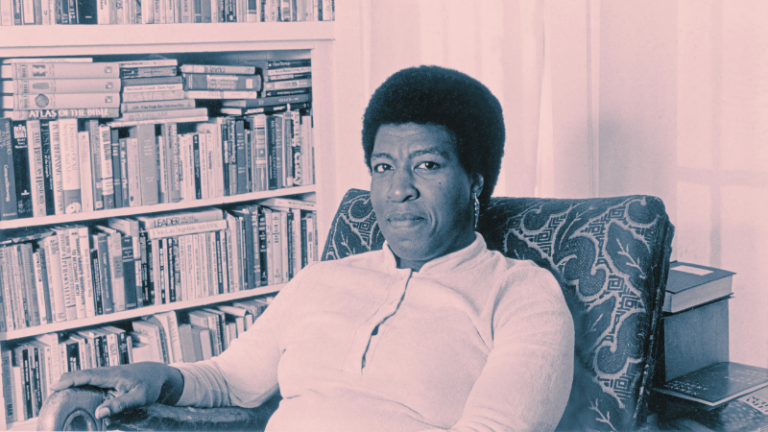
From my youth, I've been captivated by the realm of speculative fiction, and Octavia Butler, the pioneering Afrofuturist author, holds an esteemed place in my admiration. Since her debut novel Patternmaster graced the shelves in 1976, she has consistently featured Black protagonists—especially Black women—in narratives spanning interstellar warfare to vampiric encounters. Butler's literary journey unfolded at a time when the genre was sparse on Black authors, a fact that adds depth to her achievements.
In 2004, I had the rare privilege of meeting Butler in person, shortly before her tragic passing in 2006. As an associate editor at Random House, I attended a signing for a new edition of her collected short stories and essays, Blood Child. The event was intimate, and I felt an overwhelming sense of appreciation for the opportunity to meet such a literary luminary.
Butler, with her commanding presence and insightful demeanor, shared her wisdom and kindness, remarking on my deep love for the genre. She courageously encouraged me to embark on my own writing journey, declaring, "We need your voice."
It took nearly a decade before I began crafting my own novels, but the influence of my hero is unmistakable. My literary voice owes much to Butler's innovative storytelling approach. Introduced to her works during an undergraduate college seminar on Black fiction, Wild Seed immediately struck me. Its cover depicted Anyanwu, a Black woman surrounded by animals from her head, symbolizing the myriad possibilities within the Black experience—a metaphor that resonated deeply with me.
Butler's subsequent works, such as Kindred and Parable of the Sower, have garnered widespread acclaim. Kindred employs time travel to explore the complexities of American slavery, while Parable of the Sower presents a dystopian future marred by class strife and political upheaval. Both novels showcase Butler's extraordinary storytelling prowess.
Among her eleven novels, I hold Mind of My Mind, part of the Patternist series, as my favorite. In this tale, we follow Mary as she discovers telepathic abilities and forms a society of psychics. Her centuries-old father, Doro, a recurring antagonist from Wild Seed, poses a constant threat, wary of Mary's growing power. Mind of My Mind delves into themes of relationship uncertainty, resilience, and adapting to change, all while employing multiple perspectives to highlight the intricate interpersonal struggles of those navigating a toxic patriarchal society.
The novel's ability to balance internal and external conflicts struck a chord with me, shaping my own storytelling style.
The climax of my second novel, The Broken Hearts Agency, was directly inspired by Butler's Mind of My Mind. In Broken Hearts, psychic private investigator Linda Villanueva uncovers a "pattern" element within her empathic abilities, necessitating a deep connection with others to combat a malevolent force. While the publishing landscape must do more to support Black speculative fiction, I find solace in the diverse array of stories now available—stories that were nonexistent when Butler wrote her first novel.
Authors like Tananarive Due and Cebo Campbell explore real-world history infused with folklore and alternate histories, respectively, while Veronica G. Henry, with whom I've had the pleasure of editing, delves into climate change and hologram libraries, all centered around Black experiences. Young Adult authors, too, are embracing Butler's legacy by infusing their works with dragon bonding, fireball witches, and Orisha lore, all while staying true to their unique perspectives.
Coincidentally, The Broken Hearts Agency was released on the same day as the re-release of Mind of My Mind, a fitting tribute to Butler's legacy. This serendipitous alignment fills me with gratitude for her unwavering encouragement. I believe our simultaneous book releases are a cosmic nod, perhaps a sign that she would be pleased if she could see the world today.
Written by urgent.news from Literary Hub's reporting — not their text. Machine-written — may contain errors; check the original before relying on it.