How England’s brutal summer heat is affecting farm animals and crops
There are parched fields, overheating sheep and potentially the worst cereal harvest since detailed records began – but it’s a good year for cider apples As parts of the UK swelter through a fifth successive climate crisis-driven heatwave and nearly three-quarters of England remains in drought, how are six homegrown products faring? Continue reading...
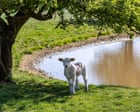
Farmers in England are grappling with the harsh effects of a brutal summer heatwave, which has caused parched fields, overheating sheep, and a potentially disastrous cereal harvest. Nearly three-quarters of England remains in drought, and six homegrown products are being assessed to gauge their current condition. On a farm in Durham, Clare Wise noted the first rain in weeks, remarking that she and her team took advantage of the sudden rainfall.
In contrast, southern farmers have faced a continuous drought, causing distress for animals and adding to winter feed problems for livestock farmers. Grass growth has been significantly lower than expected, making it difficult for farmers to collect winter forage and forcing them to dip into their reserves or supplement with bought-in feed.
Milk production has decreased by around 1% due to reduced feed and heat stress on cows. Sheep shearers have been scarce, making it challenging for farmers to keep their flocks comfortable. Tom Cantillon, an analyst at the Energy and Climate Intelligence Unit (ECIU), suggests that farmers could grow trees and higher hedges to provide shade for their animals, while some with larger herds might consider air conditioning in their sheds and milking parlours.
However, many livestock farmers fear that this year is just the beginning of a downward spiral. For fans of soft fruit, this summer has been glorious, with berries being smaller but sweeter due to the record-sunniest July on record in the UK. Cider drinkers can also rejoice, as smaller and sweeter apples are expected to produce a potentially bumper year for cider-making.
The cereal harvest is forecast to be the worst in four decades, with wheat, spring barley, and oats all down on their 10-year average. This year's cereal and oilseed harvest is estimated to be 18.5 million tonnes, the worst since detailed records began in 1984. The loss of about 2.5 million tonnes compared to early estimates would amount to approximately £390 million in lost revenue for farmers.
This year has been particularly brutal for farmers, coming on the heels of two previous poor harvests. Europe is also experiencing heatwaves and fires, which may lead to a €2 billion loss in revenue for the UK wine industry. While traditional British crops are suffering, vineyards are thriving, with wine producers reporting healthy vines, clean fruit, and encouraging ripening.
Written by urgent.news from Guardian Business's reporting — not their text. Machine-written — may contain errors; check the original before relying on it.