How AI is helping to open a new chapter for ancient Chinese literature
For generations, working with ancient Chinese texts has been a painstaking task. Specialists would spend years deciphering unfamiliar characters, copying manuscripts by hand, adding punctuation to texts written without it, comparing different editions and tracing references scattered across thousands of years of records. But artificial intelligence is now changing that process, not only by…
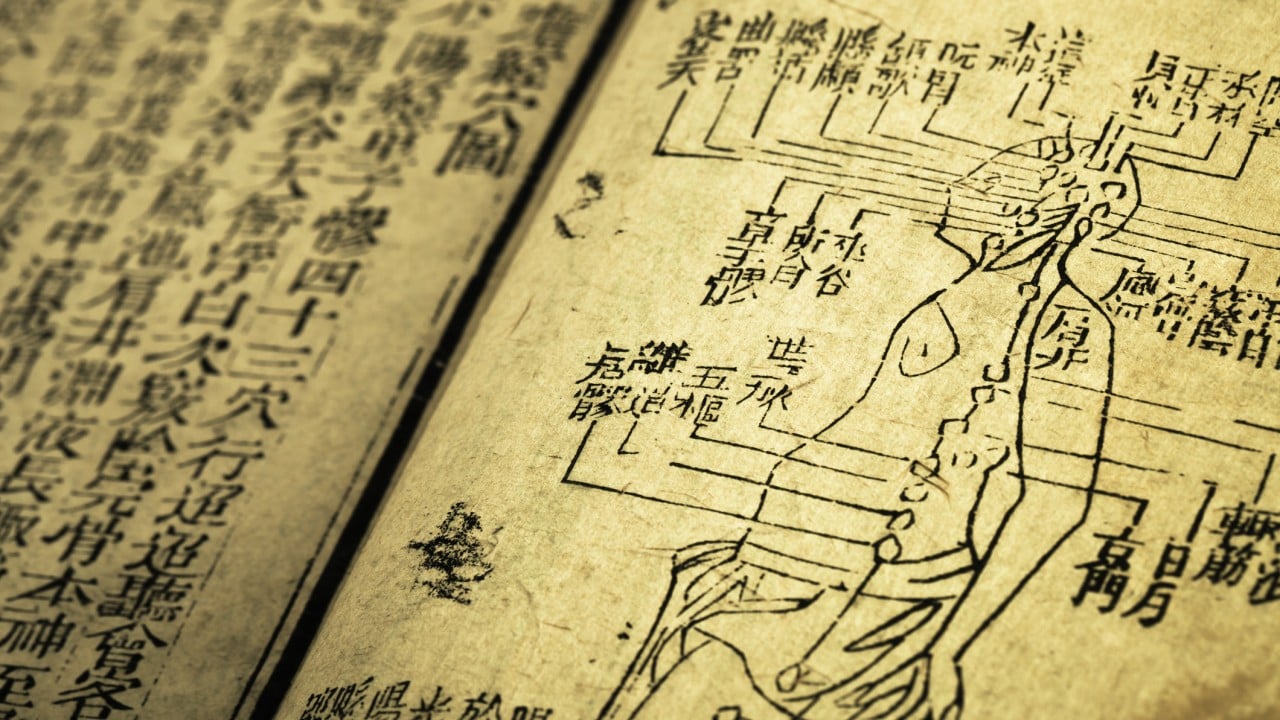
For decades, ancient Chinese literature remained a laborious endeavor for scholars. They would dedicate years to parsing unfamiliar characters, manually copying manuscripts, inserting missing punctuation, comparing diverse editions, and tracing scattered references across centuries of records. However, artificial intelligence (AI) is revolutionizing this process, enhancing not only the preservation of fragile manuscripts but also the discovery, study, and dissemination of ancient texts.
As China intensifies its digitization of a vast collection of ancient works, universities, tech firms, and volunteers are collaborating on a nationwide initiative to transform the country's literary heritage—once confined to specialists—into an open digital resource. One such example is Shidian Guji, an online database of over 70,000 ancient texts launched in 2022 by ByteDance and Peking University.
The platform offers tools for organizing, searching, and reading classical works, including modern translations and chatbot interactions to facilitate user exploration. Last month, Shidian Guji published nearly 2,000 traditional scientific works spanning astronomy, mathematics, agriculture, and engineering. Sun Xianbin, a researcher at the Institute for the History of Natural Sciences at the Chinese Academy of Sciences, highlighted the archive's vast repository of accumulated knowledge, emphasizing its role in China's "indigenous knowledge system."
This concept has gained traction in recent years as Beijing strives to promote ideas rooted in Chinese history and intellectual traditions over imported Western concepts. The platform is part of China's broader endeavor to preserve and transmit its literary heritage, a policy embedded in the latest five-year national development plan.
Such efforts carry particular significance in a nation where ancient texts are intrinsically linked to cultural confidence and civilizational continuity spanning millennia. Ancient texts are viewed by Beijing as the cornerstone of this civilizational history, with an estimated 200,000 surviving works across various editions, according to state news agency Xinhua.
President Xi Jinping has wholeheartedly supported these initiatives, stating that technology can promote the "philosophical ideas, humanistic spirit, values, and moral principles" embedded in classical texts and drive the "creative transformation and innovative development" of traditional culture. The National Cultural Heritage Administration's latest five-year plan includes a drive to recover cultural relics from overseas and explore the application of AI in these efforts.
For China, AI-driven digitization offers a means to facilitate the "digital return" of ancient manuscripts from abroad. Millions of volumes now reside in collections in neighboring countries like Japan and South Korea, as well as North America, often due to war and social upheaval. Numerous projects aim to make these works accessible to the general public, such as a partnership between Sichuan University and the University of California, Berkeley to digitize nearly 10,000 rare pre-1912 titles from the American university's C.V.
Starr East Asian Library. Funded by the Alibaba Foundation, the project provides scholars, enthusiasts, and amateurs with easily searchable treasures, marking a "new digital life" for these texts. Another initiative involves the Harvard-Yenching Library, which has made digital copies of over 6,000 rare Chinese books available online, including valuable works not present in mainland China.
While many digitized texts are already accessible online, non-specialists find them challenging to read due to the lack of punctuation, glossaries, and translations. AI is helping to eliminate these genuine barriers by adding punctuation, providing glossaries, and offering translations, enabling modern readers to access ancient texts more easily.
Researchers and museums are also experimenting with AI-driven avatars that allow visitors to question and interact with historical figures or fictional characters, fostering curiosity and imagination while acknowledging the distinction between historical facts and reconstructions. For Tsui, who emphasizes that preservation yields a digital image of a text, the true value lies in the interpretive operations needed to generate usable research materials.
These tasks, once performed manually, are increasingly aided by AI models, including handwritten text recognition. However, handcrafted interpretation remains crucial in creating scholarly resources.
Written by urgent.news from South China Morning Post's reporting — not their text. Machine-written — may contain errors; check the original before relying on it.
This story
This is one outlet's version. Read the fullest account.
- How AI is helping to open a new chapter for ancient Chinese literature scmp.com
- World-first autonomous ‘end-to-end’ AI attack against Taiwan tied to Chinese hackers — and the scariest part is that it was fully open source techradar.com
- Taiwan confirms AI-driven attack after Israeli firm investigation ynetnews.com