Hormuz Tanker Traffic Slumps as U.S.-Iran Standoff Drags On
Tankers moving along the Strait of Hormuz dwindled further this week, with only five crossings on Wednesday and nine crossings on Thursday, down from a monthly average of 12 crossings, according to data from Kpler, as cited by Reuters. Five tankers went into the waterway yesterday, according to the data, and four exited it, most of them moving along the Iranian corridor. Traffic via the Bab…
The Strait of Hormuz witnessed a significant decline in tanker traffic this week, with only five tankers moving through the waterway on Wednesday and nine on Thursday, according to data from Kpler. This marks a stark drop from the monthly average of 12 crossings. The majority of tankers entering and exiting the Strait were on an Iranian corridor, with five tankers entering and four exiting.
In contrast, the Bab el-Mandeb strait in the Red Sea saw a higher volume of traffic, with 19 commodity carriers passing through on Thursday. This data only includes vessels with active transponders.
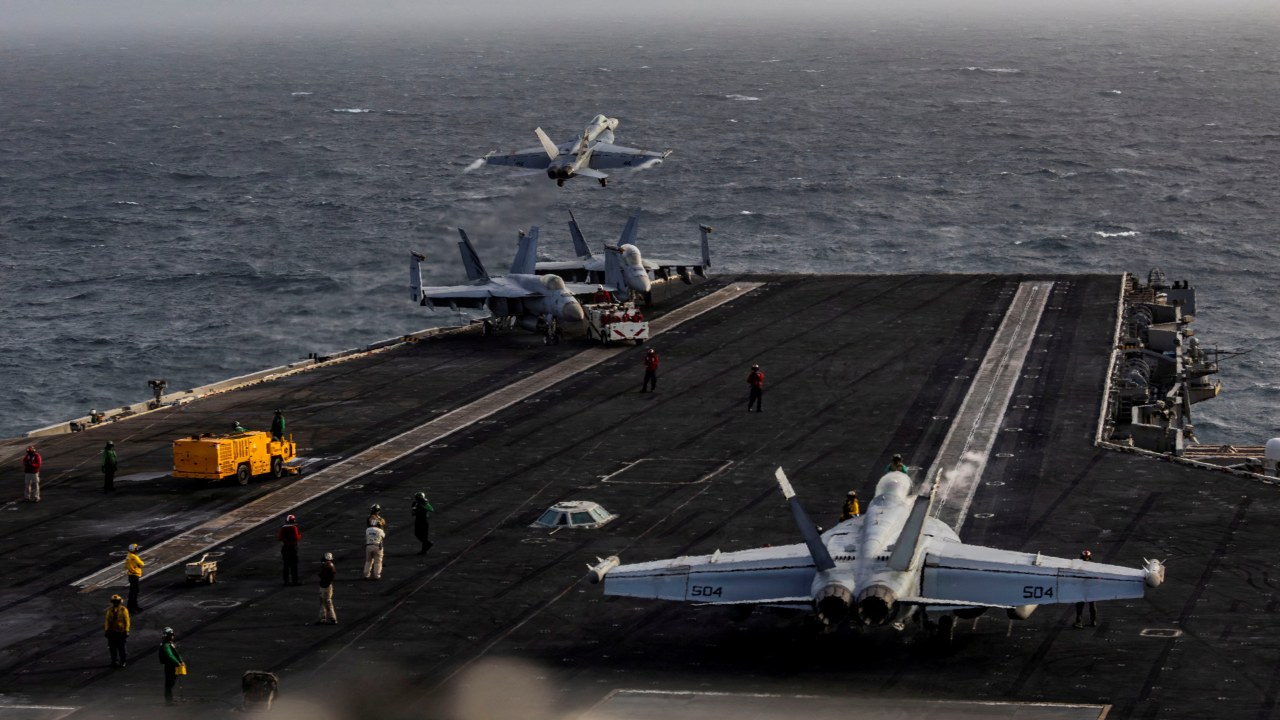
The United States has threatened to prolong its naval blockade of Iran indefinitely and impose additional sanctions, aiming to further constrain Iran's economy. Defense Secretary Pete Hegseth stated that the U.S. Navy can maintain the blockade indefinitely by rotating ships in and out. Hegseth also hinted at more unprecedented measures to be implemented, prolonging the conflict.
Despite these tensions, oil prices remained stable, as traders focused on the U.S. commercial inventories, which added over 17.4 million barrels last week. However, global oil supplies are dwindling, including from strategic reserves, while China, which previously kept oil futures prices in check with low imports in May and June, is resuming crude purchases.
If the ongoing standoff between the U.S. and Iran, along with the control of the Strait of Hormuz, continues for several more weeks, the oil market may reach a critical tipping point. Analysts warn that this could lead to shortages and a spike in oil prices.
Written by urgent.news from OilPrice's reporting — not their text. Machine-written — may contain errors; check the original before relying on it.