Hamilton ‘black soot’ not expected to pose long-term risk, public health says
Hamilton public health says black particulate that fell across parts of the city in July is not expected to pose a long-term health risk.
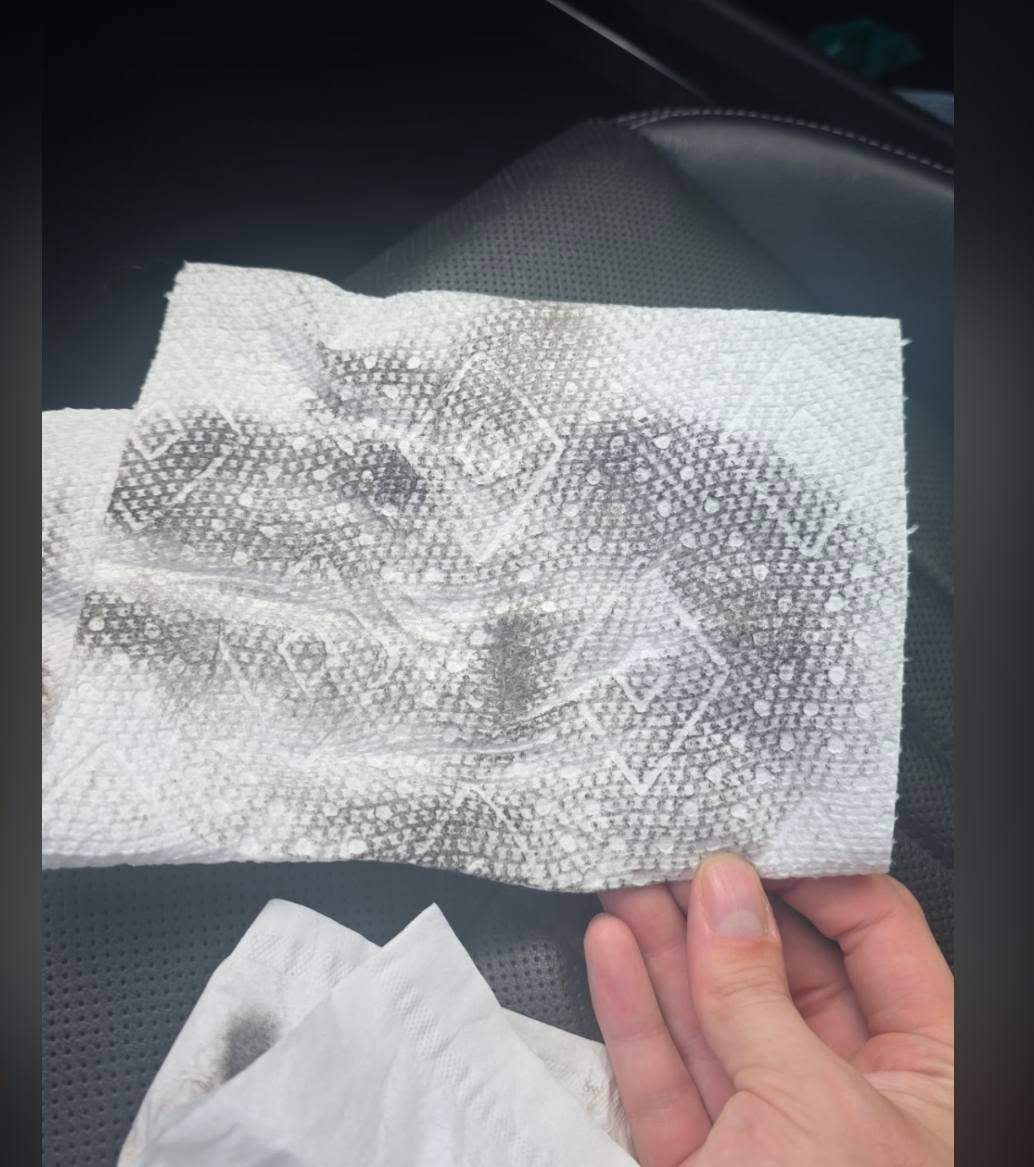
Hamilton's Health Department has declared a recent episode of black soot in the city's air not likely to cause long-term health issues, based on assessments of air quality data and hospital records from early July. Dr. Elizabeth Richardson, the city's medical officer of health, stated that the health and safety of residents remain their top priority, especially considering the disproportionate impacts felt in the city's north end.
The department found no significant increase in emergency department visits related to the soot, though some residents reported mild symptoms like itchy eyes or coughing. While coal combustion is suspected as the primary source, the composition of the soot remains complex. Ontario's NDP leader Marit Stiles has voiced concerns about the soot, citing 475 complaints from residents.
The public health assessment specifically focused on the black particulate reported in July, attributing the emissions to Birla Carbon on Parkdale Avenue North. Air quality data, environmental samples, and rainfall all suggest exposure levels were low during the July event. However, the department emphasizes that air pollution remains a concern, particularly for residents near industrial areas, and recommends cleaning skin and surfaces with soap and water.
Written by urgent.news from Global News's reporting — not their text. Machine-written — may contain errors; check the original before relying on it.
This story
This is one outlet's version. Read the fullest account.