Goldman Sachs Says AI Unlikely To Cause Widespread Job Losses In India, Services Sector Faces Risk
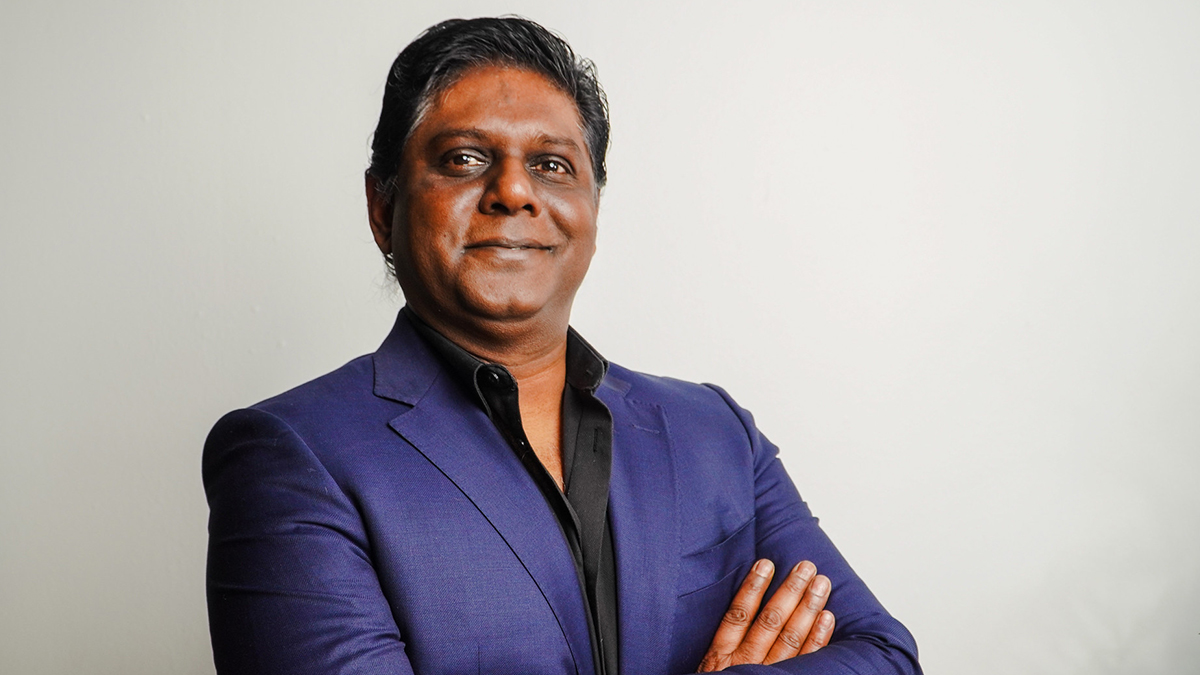
India is unlikely to experience widespread job losses due to artificial intelligence, although certain services-sector roles could face disruption, according to Goldman Sachs Chief India Economist Santanu Sengupta. Speaking to Bloomberg Television, Sengupta said AI’s impact on India’s workforce is expected to be relatively limited because a significant share of workers are employed in physical or…
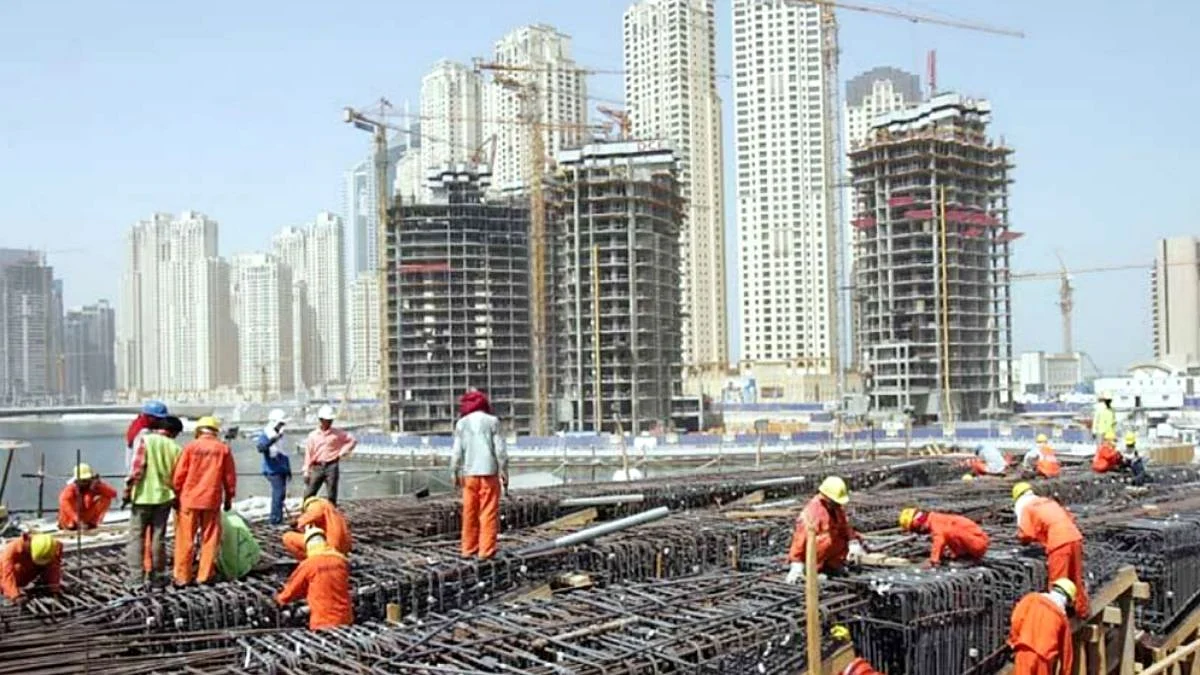
Goldman Sachs Chief India Economist Santanu Sengupta told Bloomberg Television that artificial intelligence is unlikely to result in widespread job losses in India. However, certain roles within the services sector may be disrupted. Construction and retail trade, which together account for about 40% of the workforce, are currently less exposed to AI-driven job displacement.
Sengupta suggested that parts of finance, healthcare, education, and business services could benefit from AI implementation. On the other hand, AI adoption could pose more significant risks to postal and telecommunications services and IT, particularly call-center jobs.
Goldman Sachs predicts that a gradual rollout of AI could boost overall productivity by around 0.4 percentage points over a decade. Sengupta believes that the productivity gains from incremental AI adoption could surpass potential job losses within a five-year timeframe. Meanwhile, India's economy has demonstrated resilience despite its dependence on imported oil.
Recent indicators, such as strong vehicle sales, a two-year high in credit growth, and double-digit growth in Goods and Services Tax collections, highlight robust domestic demand.
The Reserve Bank of India may begin raising interest rates from December if core inflation increases. If underlying price pressures remain contained, rate hikes could commence in February and April. Sengupta expects the tightening cycle to be shallow, with foreign-currency deposits and external commercial borrowings offering the RBI some flexibility in managing the rupee.
Written by urgent.news from Free Press Journal's reporting — not their text. Machine-written — may contain errors; check the original before relying on it.