Fuelling energy security via efficiency
Previous and current energy crises have underscored the critical role of reducing energy consumption through energy-efficient practices.
The ongoing geopolitical instability has sparked a global energy crisis, with far-reaching consequences for governments, multinational corporations, small businesses, non-governmental organizations, and everyday citizens. The 1970s experienced similar disruptions, and the ensuing economic recession lingered into the 1980s. Many developed countries learned from these events and implemented strong measures to prevent such shocks in the future.
International powers like the EU, US, Japan, and China have adopted aggressive energy security policies, including fuel stockpiling, exploration of new petroleum sources, and investment in alternative energy sources such as renewables and nuclear power. The Covid-19 pandemic, while primarily a health issue, also had a notable impact on the energy sector, as evidenced by RM2.6 billion in electricity subsidies provided to Malaysian households between 2020 and 2021, who faced higher bills during that time.
Energy security is crucial for nations, industries, and individuals alike, as it ensures access to an affordable and continuous energy supply. While governments can implement supply-side measures, such as fuel stockpiling and renewable energy exploration, demand-side management, specifically energy efficiency, is equally vital in mitigating the effects of supply disruptions.
Energy efficiency reduces overall energy demand, lessens dependency on imported fuels, and helps manage limited natural resources. Without energy efficiency policies, economies' ability to withstand energy shocks is diminished.
To effectively utilize energy efficiency as a strategy for energy security, a stable fund must accompany policy instruments or action plans. Countries like Thailand, Singapore, and Japan have demonstrated the benefits of energy efficiency adoption through readily available funding. Measuring an economy's energy use involves energy intensity, which gauges the energy consumed to produce a unit of economic output.
Japan, known for its energy efficiency, uses just 65.2kg of oil equivalent per US$1,000 of GDP, compared to Thailand's 87.4kg and Malaysia's 91.6kg. Malaysia stands to gain significantly from improving its energy efficiency.
The National Energy Efficiency Action Plan 2016-2025 (NEEAP) was introduced in Malaysia to promote energy efficiency initiatives in industrial, commercial, and domestic sectors. Over a decade, the plan saved 60,886 GWh of electricity, exceeding the initial target of 52,233 GWh. This achievement resulted in a 35.6 million tonne reduction in carbon dioxide gas emissions and an estimated RM16.1 billion in savings.
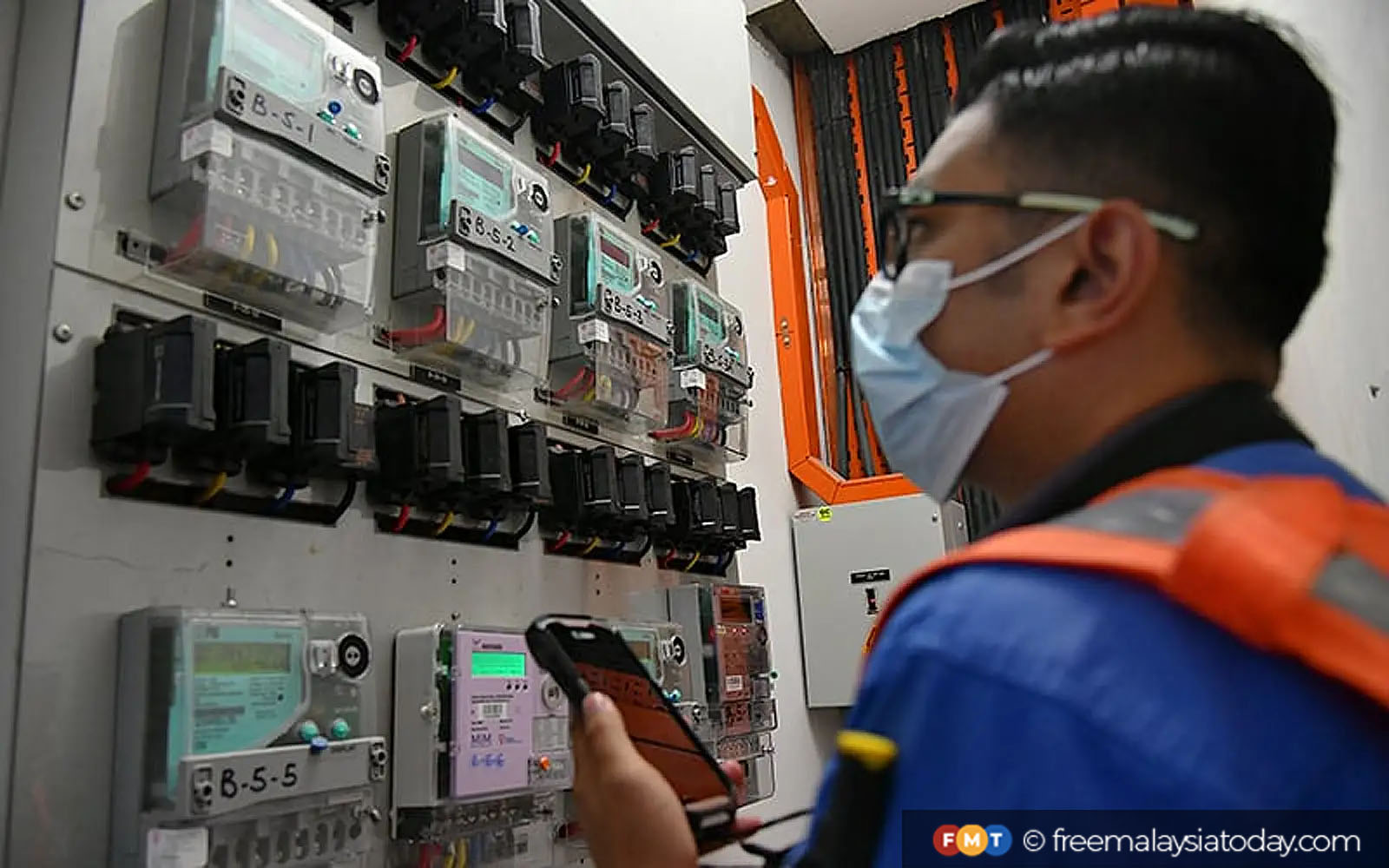
The new Energy Efficiency and Conservation Act 2024 strengthens Malaysia's ability to regulate various sectors in implementing energy efficiency measures, directly supporting the NEEAP. By prioritizing energy efficiency, businesses can better withstand both peaceful and crisis periods. Conducting energy audits enables businesses to identify and address inefficiencies in their systems, ensuring that investments in energy efficiency yield the greatest returns.
Although the initial costs may seem high, the long-term economic and non-economic benefits of energy efficiency are undeniable.
Written by urgent.news from Free Malaysia Today's reporting — not their text. Machine-written — may contain errors; check the original before relying on it.