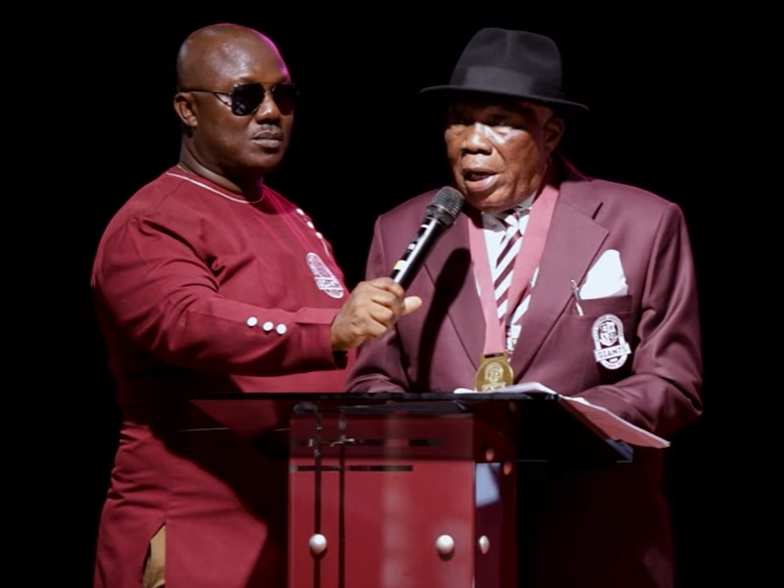
From Altar to Aisle: How Ghana Turned “Prophets” into Kingmakers – Kojo Asiamah Addo writes
By Kojo Asiamah Addo The Origins of the Alliance The fusion of politics and prophetic influence in Ghana didn’t happen overnight. It began with a simple electoral calculation: candidates seeking an edge started showing up at church programs, kneeling for prayers, and parading endorsements from self-styled “men of God.” It was optics at first. But […]
The integration of politics and prophetic influence in Ghana is not a recent development. It originated from an electoral strategy in which candidates sought to gain an advantage by attending church programs, seeking prayer, and obtaining endorsements from self-proclaimed "men of God." Initially, this practice served as a campaign tactic, but it eventually transformed into a structural element of Ghana's political system.
Political figures, including presidents, ministers, MPs, MMDCEs, and even ambassadors, began to equate high office with the endorsement of a prophet's office. The self-proclaimed spiritual leaders expanded their influence, offering politicians two desirable assets: spiritual cover and access to mobilized congregations. Consequently, this led to the "calling of the shots" on appointments, endorsements, and messaging.
As the influence grew, it was monetized, turning political access into a form of tithing. Donations, contracts, media coverage, and photo opportunities became essential elements of this new commercialization. The commercialization of access resulted in the creation of a market where proximity to power was traded, and where spiritual language was employed to finalize earthly deals.
In this market, policy depth was overshadowed by prophetic spectacle. The effects of this dynamic have reversed, with the very actors nurtured by political patronage now wielding significant power to challenge those who once provided them access. This shift has led to governance becoming reactive to spiritual pressure rather than data-driven.
Policy discussions are now dominated by prophetic drama, public trust in both church and state is eroding, and young politicians are learning the wrong lesson: that loyalty to a pastor is more important than allegiance to a manifesto, constitution, or citizens. This situation is not solely a cultural issue; it is a governance and development problem.
When decision-making is filtered through who holds sway over a prophet's ear, merit takes a backseat. Planning is disrupted by sudden "directions" from these spiritual leaders. Institutions like the Electoral Commission, Judiciary, Security Services, Parliament, and civil services are weakened, as people bypass them for personal blessings.
Investors, technocrats, and young professionals disengage when they observe a system that rewards access over competence. To remedy this situation, it is not necessary to reject faith, as Ghana is a deeply religious nation that deserves to be celebrated. Instead, the solution lies in restoring boundaries. Politics must once again prioritize competence, data, and delivery, while religious leaders must focus on offering moral guidance and speaking truth to power, rather than speaking on behalf of power.
Political parties should establish internal rules that reward track records over altar access. Lastly, citizens must demand plans, costings, and performance from their leaders, rather than relying solely on prayers. By strengthening institutions and promoting transparency, no prophet or politician will be able to hold the nation hostage.
In the end, the public should vote based on results, build systems that work, and allow faith to inspire character while democracy delivers the work.
Written by urgent.news from GBC Ghana's reporting — not their text. Machine-written — may contain errors; check the original before relying on it.