Five years after the Taliban swept to power, does the West have any influence?
Five years after the Taliban swept to power, many are asking whether the West has any bargaining chips left
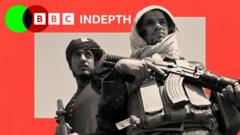
Five years after the Taliban assumed power in Afghanistan, the question arises as to whether the West still holds any influence in the country. The answer is a mixed one, with various factors contributing to the complex relationship. In a region where women's rights are severely restricted and girls are prohibited from attending school past the age of 12, the Taliban have managed to consolidate their control despite facing numerous challenges.
The international response to the situation is divided, with some Western countries prioritizing human rights while others focus on investment opportunities. The West itself is also divided on the best course of action. Despite the Taliban's growing confidence and control, they remain constrained by international sanctions related to terrorism and human rights issues.
The only country to formally recognize their rule is Russia, and the Taliban have not been granted a seat at the UN. However, de facto recognition through diplomatic deals and accreditations is becoming increasingly common, diminishing the significance of formal recognition as a bargaining chip. The Taliban, led by their secretive emir Hibatullah Akhundzada, are busy building their political and military base and imposing strict edicts against women and girls, viewing it as an Islamic obligation.
As the five-year mark since their takeover approaches, the relationship between the West and the Taliban is described as an unstable and potentially dangerous equilibrium. The situation has become so overlooked that even wars in Ukraine and the Middle East seem to overshadow Afghanistan's struggles. A key issue is the US administration's decision to eliminate its special envoy position and dismantle several agencies, including USAID.
Even within the Taliban ranks, there is frustration that the world does not seem willing or able to forge a different kind of relationship. Despite the challenges, some members of the Taliban express a desire to be part of the international community.
Written by urgent.news from BBC World's reporting — not their text. Machine-written — may contain errors; check the original before relying on it.
This story
This is one outlet's version. Read the fullest account.