Educated, independent – and still locked out of the labour market
Women are gaining ground in education, property and leadership, but latest labour figures show unemployment and participation gaps remain stubborn.
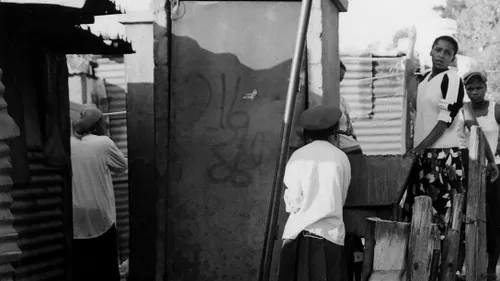
South African women have made strides in education, property ownership and leadership roles, but their progress in the labour market falls short of equalizing employment opportunities. As South Africa observed Women's Month under the theme "Empowered Women Empower the Nation," the focus was on women's economic participation. Statistics South Africa's latest labour-force data revealed that women constituted slightly more than half of South Africa's working-age population in the second quarter of 2026.
However, women faced a higher unemployment rate (37.5%) compared to men (30.3%), a 7.2 percentage point disparity.
Of the 21.3 million women of working age, nearly half were in the labour force, with almost two-thirds employed and the remainder, 4.4 million, unemployed. While women's labour force participation rate has grown, it remains significantly lower than men's - half compared to about two-thirds. The labour-absorption rate, reflecting those employed, was even more pronounced for women at one-third, compared to 44.9% for men.
Notably, around 9.6 million women were entirely outside the labour force in the second quarter. Of those seeking employment, 2.5 million were available but not actively looking, or actively seeking but unavailable. Discouraged job seekers comprised the majority of this group. This challenge was most acute among young women, with over 40% of women aged 15 to 24 not in employment, education, or training, a 1.6 percentage point increase from the previous quarter.
Among young men, the figure was about a third, highlighting the continued gender disparity in youth unemployment.
Women were also less represented in managerial occupations, with one in 14 employed women being a manager compared to one in 10 employed men. Women were more concentrated in clerical work (17% of women's employment) and domestic jobs (10.8% of women's employment) compared to men (5.8% and 0.5%, respectively). South Africa's gender gap in employment is part of a broader global trend.
The International Labour Organization reported a global unemployment rate of 4.9% in 2025, the same as the previous year, with women accounting for only about two-fifths of global employment. Women were also 24.2 percentage points less likely to participate in the labour force compared to men, underscoring persistent barriers to employment access worldwide.
Written by urgent.news from IOL's reporting — not their text. Machine-written — may contain errors; check the original before relying on it.