Donald Trump announces tariffs of up to 100% on imported drones
President Donald Trump announced on Thursday tariffs of up to 100 percent on imports of unmanned drones and their components to reduce US reliance on imports in an industry dominated by China. The US president justified the decision on national security grounds, according to a White House statement that detailed a 100 percent duty rate […]
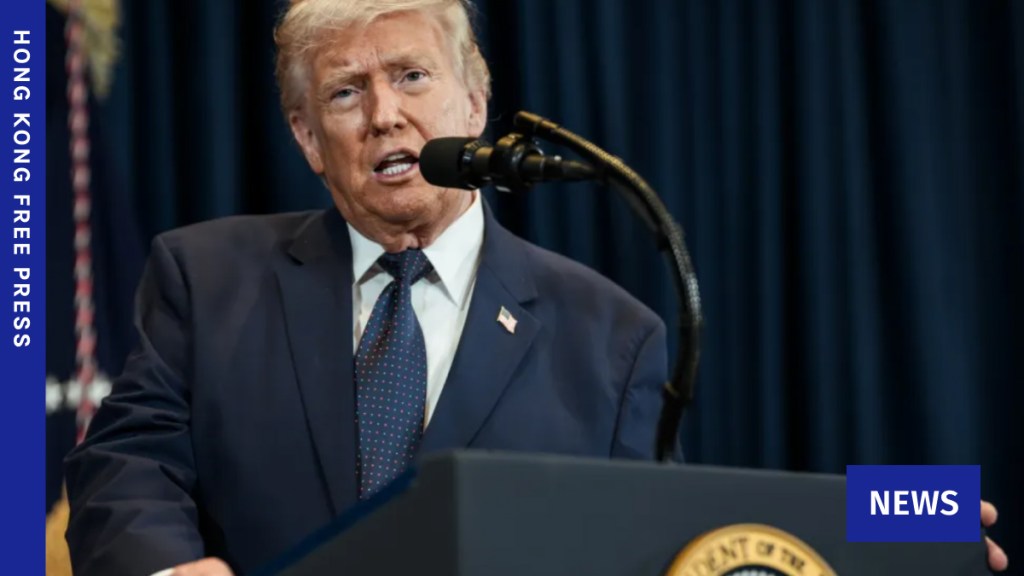
On March 9, 2026, President Donald Trump announced tariffs of up to 100 percent on imported drones and their components to lessen the US's dependence on foreign imports, particularly from China. The decision, justified on national security grounds, targets unmanned aircraft systems (UAS) with a takeoff weight exceeding 25 kilograms and equipped with features like thermal cameras and docking stations.
Smaller drones will face a 25 percent tariff. The tariffs, intended to "encourage increased domestic production" and reduce reliance on foreign supply chains, are set to take effect on September 3. Clayton Swope, a senior fellow at the Center for Strategic and International Studies, explained that the tariffs primarily target industrial and commercial drones, as well as smaller recreational drones to a lesser extent.
The US Federal Communications Commission (FCC) argued in December 2025 that domestic drone production could mitigate the risk of UAS attacks, unauthorized surveillance, sensitive data exfiltration, and other threats to the nation. The war in Ukraine has further highlighted the potential of commercial and hobbyist drones for military purposes.
Chinese drone manufacturer DJI, which holds over two-thirds of the global drone market, has been a frequent target of US sanctions since 2022, accused of supplying surveillance equipment to Chinese authorities. In response to US trade sanctions, China imposed restrictions on drone exports to the United States and blacklisted six companies.
The US government also added humanoid and quadruped robots to a list of products and companies deemed critical to national security, both of which are heavily dominated by Chinese industry.
Written by urgent.news from Hong Kong Free Press - China's reporting — not their text. Machine-written — may contain errors; check the original before relying on it.
This story
This is one outlet's version. Read the fullest account.