‘Dancing Queen’ at 50: still having the time of our lives
ABBA's classic is still riding the airwaves, being belted out on stages and during karaoke, paraded at Mardi Gras, and danced to at weddings.
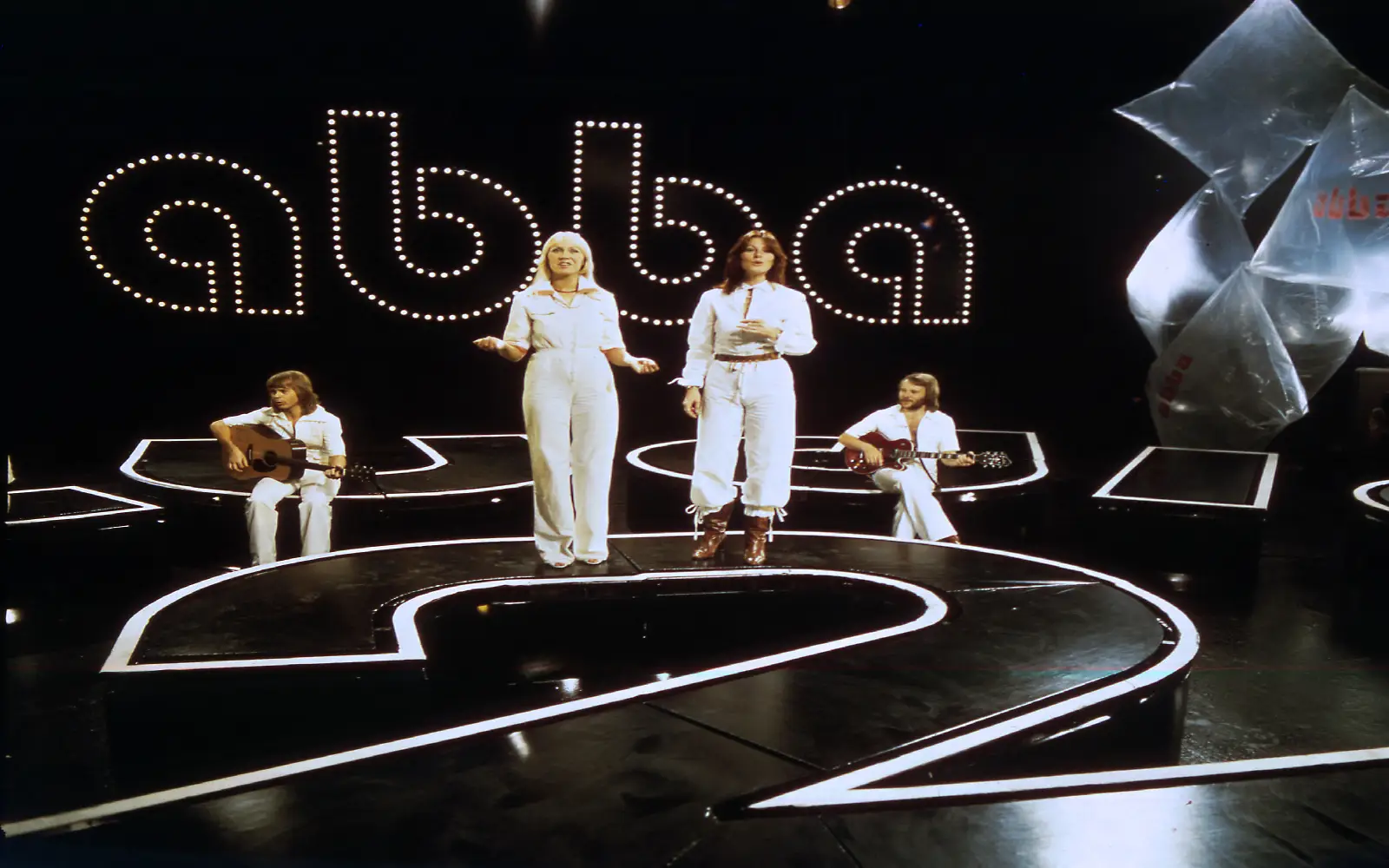
Nearly fifty years ago, the Swedish quartet ABBA released their chart-topping single "Dancing Queen." This catchy tune skyrocketed to number one in fifteen countries, from Australia to the United States, Norway, and South Africa. Despite its simple melody and seemingly corny lyrics, the song has managed to endure, gracing the West End stage, karaoke parties, Mardi Gras celebrations, and wedding receptions. But how did this seemingly ordinary track manage to capture the hearts of generations?
"Dancing Queen" was born in 1975, just a year after ABBA's Eurovision Song Contest victory with "Waterloo." As the band's popularity soared, they found themselves unable to break into the American market. However, the rising disco trend presented a promising opportunity. In a cabin on Viggso Island near Stockholm, band members Benny and Bjorn worked on a new song, recording a rough demo of a piano and guitar arrangement.
They presented the demo to their manager, Stig Anderson, and his teenage daughter Marie, who described it as an "awful" recording of "the most incredible song."
In the recording studio, Benny and Bjorn collaborated with musicians to create a dance groove. Two days later, they had a draft backing track titled "Boogaloo." ABBA historian Carl Magnus Palm reported that when Benny played the song to vocalist Anni-Frid, she was moved to tears. Stig renamed the song "Dancing Queen." The band performed the track at the Swedish King Carl's gala in June 1976, and the song officially launched, quickly spreading around the world.
Musically, "Dancing Queen" is a masterclass in Swedish songwriting and production. Unlike many pop songs, the vocals don't begin with the typical verse or chorus, but instead, launch on the highest note halfway through the chorus. The string arrangement adds swells that rise to the chorus and tug at the heart, while Benny's piano playing adds drama and grandeur.
The song's title, "Dancing Queen," provides a more mature dance story than their previous composition "Nina, Pretty Ballerina," in which the heroine sneaks out of the house. In contrast, "Dancing Queen" empowers the protagonist to seek out her own enjoyment and find a partner if she wishes, allowing for a broader interpretation that resonates with the LGBTQIA+ community.
The song's message of self-expression and freedom has made it a popular gay anthem, particularly at the Sydney Gay and Lesbian Mardi Gras, where it was championed by singers like Kylie Minogue. The lyrics, however, contain a controversial double entendre, with "seventeen" being a potentially loaded choice for a song title. Despite this, "Dancing Queen" has endured as a beloved classic, experiencing a resurgence in popularity in the late 1990s with the jukebox musical "Mamma Mia!" and the 2008 film starring Meryl Streep.
This enduring appeal can be attributed to ABBA's near-perfect technical skills and their ability to make people feel good in a world that can often feel depressing.
Written by urgent.news from Free Malaysia Today's reporting — not their text. Machine-written — may contain errors; check the original before relying on it.
This story
This is one outlet's version. Read the fullest account.
- ‘Dancing Queen’ at 50: still having the time of our lives freemalaysiatoday.com