Costliest U.S. bond sale since 2001 is investor warning to Bessent
Interest on the public debt continues to be a key driver of the budget deficit. For the fiscal year to date, the tally is $1.17 trillion — a 15% increase.
The U.S. government recently issued 30-year bonds at the highest interest rate in 25 years, reflecting the demand for higher compensation to finance the nation's growing deficit. The yield for this $25 billion sale was 5.216%, the highest since 2001, despite a decrease in oil prices supporting secondary-market trading of U.S. debt.
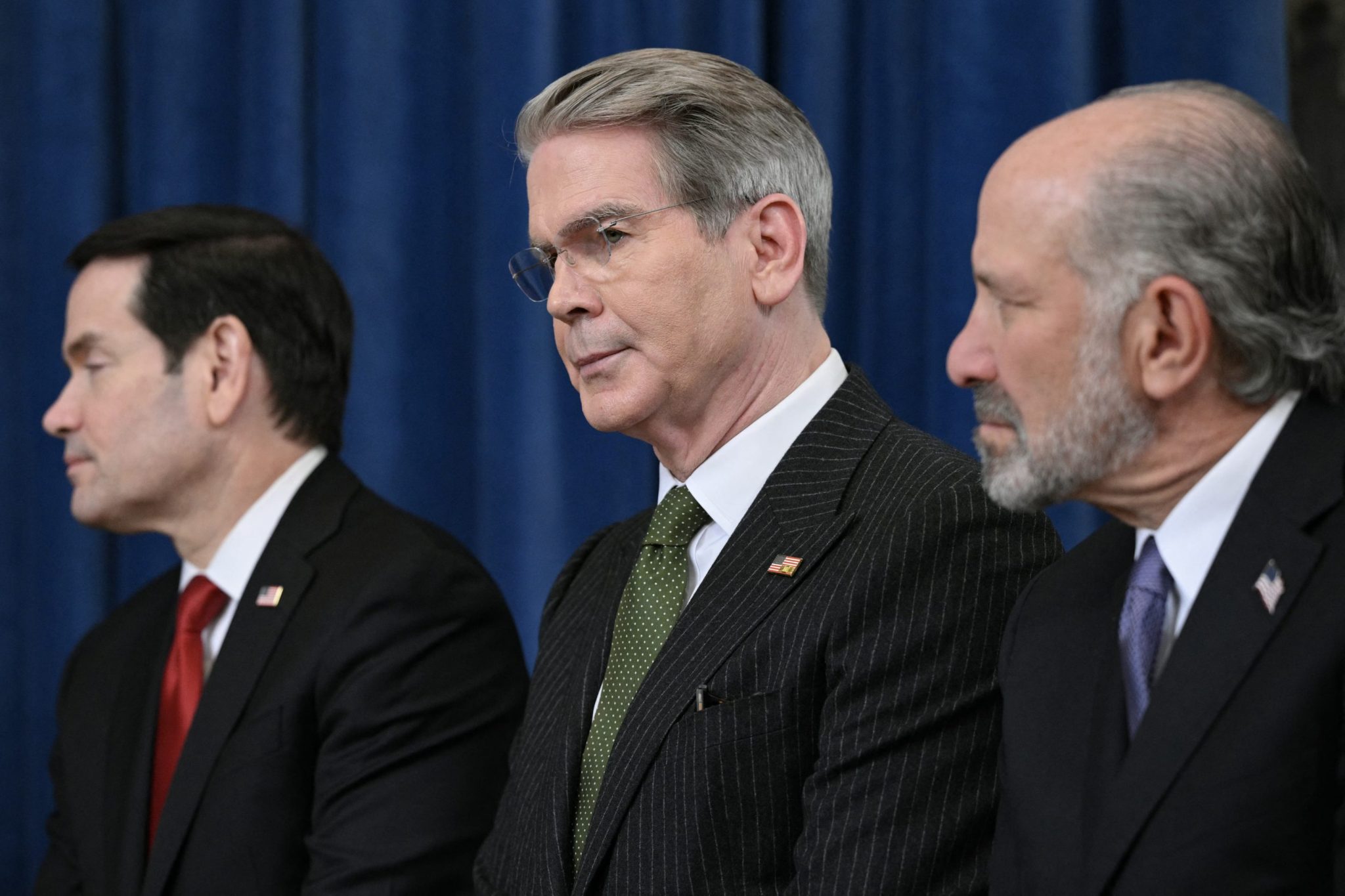
This move comes as President Donald Trump and Treasury Secretary Scott Bessent face pressure ahead of the midterm elections in November. Sophisticated investors are demanding higher compensation for inflation and fiscal risks, which could push long-term yields above 5%, even if Treasury auctions remain well-covered. The Treasury's concern was evident when it adjusted its debt-sales guidance, opening the door to potential cuts in long bond supply.
The higher yields are driven by concerns over rising energy prices due to the Middle East conflict, increased Treasury supply from large deficits, and reduced demand from traditional buyers. Treasury yields are a key benchmark for various types of loans, including mortgages, and the nation's budget deficit has increased by 15% this fiscal year to $1.17 trillion, primarily due to higher yields on Treasuries.
Fitch Ratings maintained its AA+ rating on the U.S. credit profile but warned that the fiscal deficit relative to the economy would widen in 2026 due to tax cuts and tariff rebates. Despite some headwinds, strong supply absorption suggests demand is present, though at a higher price point.
Written by urgent.news from Fortune's reporting — not their text. Machine-written — may contain errors; check the original before relying on it.