Cloning could be used to save species—or make human “organ sacks”
This week I spoke to scientists who have found a way to turn male mouse embryos female. They’ve developed a CRISPR-based approach to essentially cut out the Y chromosome. It allowed them to create female clones of male mice. That’s right: female animals that are genetically identical to males, except for the missing Y chromosome.…
Scientists have discovered a method to transform male mouse embryos into female clones by utilizing a CRISPR-based technique that removes the Y chromosome. This groundbreaking discovery has piqued the interest of reproductive biologist Takashi Ishiuchi and his colleague Shogo Matoba from the University of Yamanashi and the Riken BioResource Research Center.
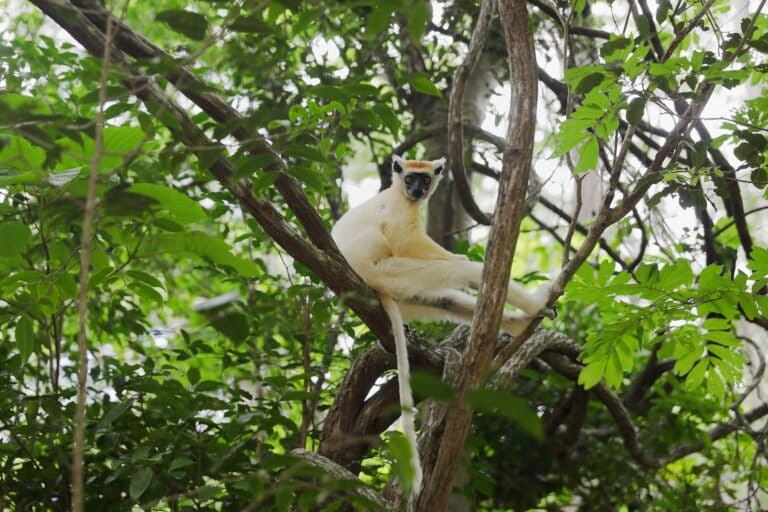
The duo believes their approach could aid conservation efforts, particularly in instances where only a handful of individuals remain of a species. However, cloning's applications extend far beyond conservation, ranging from the awe-inspiring to the controversial. The origin story of cloning begins with Dolly, the celebrated sheep born in 1996, who was the first mammal successfully cloned from an adult cell.
The process involved transplanting the DNA-containing nucleus of an adult mammary cell from one sheep into an egg cell with its nucleus removed. The cloned embryo was then placed in a surrogate sheep, resulting in the birth of Dolly, who was genetically identical to the donor. Cloning has also found its way into the realm of pet preservation, with companies offering services to create living clones of deceased pets, including those of celebrities like Barbra Streisand and Tom Brady.
Despite the technological advancements, cloning remains a contentious issue, with critics arguing that the process exploits animals and lacks any medical or environmental necessity. Nevertheless, cloning's value is more pronounced when it comes to conservation, as it has enabled scientists to resurrect animals on the brink of extinction, such as black-footed ferrets and Przewalski's horse.
Interestingly, cloning may also hold the potential to bring back extinct species. In 2009, researchers from Spain successfully cloned an extinct wild goat, the Pyrenean ibex, using cryopreserved skin cells from over a decade ago. While the cloned goat survived only minutes due to a lung defect, the feat demonstrated the vast possibilities of cloning technology.
Another biotech company, Colossal Biosciences, aims to use ancient genetic material to resurrect long-extinct species like the thylacine and woolly mammoth. While cloning humans remains a hypothetical concept for now, the idea of "brainless clones" has been proposed, featuring humans lacking a brain but containing all necessary organs for organ replacement in the future.
As cloning technology continues to evolve, it presents both exciting opportunities and ethical dilemmas that will undoubtedly shape the coming decades.
Written by urgent.news from MIT Tech Review Biotech's reporting — not their text. Machine-written — may contain errors; check the original before relying on it.
This story
This is one outlet's version. Read the fullest account.
- Cloning could be used to save species—or make human “organ sacks” technologyreview.com