China, Brazil to launch 24/7 disaster early warning satellite for South America
After almost four decades of international cooperation in space affairs, Brazil and China have unveiled details of a new project to launch a powerful meteorological and environmental satellite. It will be capable of monitoring the whole of South America, according to the space sciences department at Brazil’s National Institute for Space Research (INPE). Adenilson Roberto da Silva, general…
Brazil and China have announced plans to collaborate on the development and launch of a new meteorological and environmental satellite, the CBERS-5. This partnership marks a significant milestone in the long-standing international cooperation in space affairs. The satellite will orbit the Earth, providing real-time data to monitor and forecast weather patterns across South America.
Adenilson Roberto da Silva, the general coordinator of engineering and technology at Brazil’s National Institute for Space Research (INPE), stated that the satellite would enhance weather forecasting capabilities and early-warning systems, which could save lives. The CBERS-5 project has been discussed during technical meetings between INPE and a Chinese delegation in May. The satellite is set to be launched from a Chinese location in 2030.
Under the agreement, Brazil will be responsible for constructing the satellite platform, while China will provide the meteorological and environmental payload, including sensors and other necessary equipment. The Brazilian space agency will oversee the satellite's structure, while the Chinese counterpart will handle the instruments.
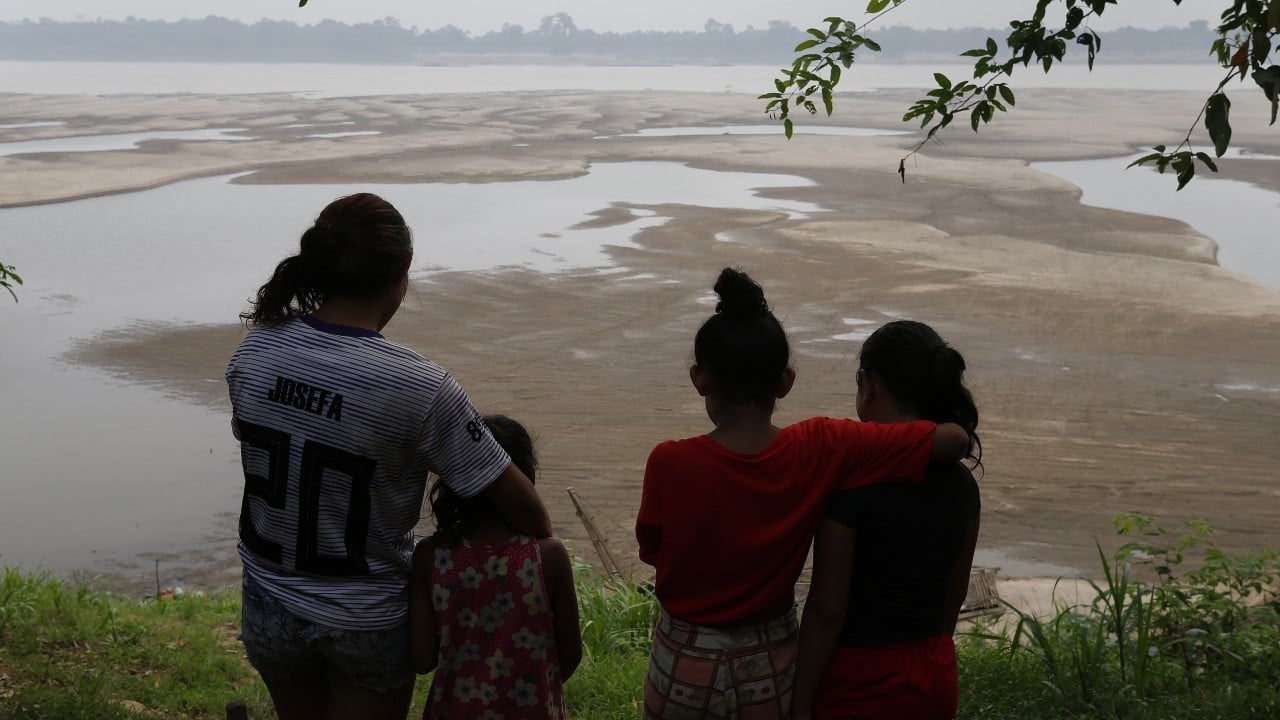
This CBERS-5 satellite will be the first of its kind, a geostationary satellite that will offer real-time data to predict critical environmental events such as droughts and storms. The exact specifications of the satellite are still being finalized, but da Silva believes it will deliver data of similar or superior quality compared to existing systems.
The mission will bolster Brazil's environmental monitoring infrastructure and help the country adapt to the impacts of climate change. This collaboration is part of a broader effort to strengthen Brazil's position among a select group of nations capable of developing and operating geostationary satellites. So far, the CBERS programme has produced six satellites, two of which are still active.
The seventh satellite, CBERS-6, is currently under development and will feature a synthetic aperture radar, allowing it to capture images regardless of weather conditions.
Written by urgent.news from South China Morning Post's reporting — not their text. Machine-written — may contain errors; check the original before relying on it.