Cheers, Professor! Remembering Sumit Sarkar
There is no other scholar, no other historian, who can match the breadth, sweep and intensity of Sarkar. He achieved all this while keeping his own presence barely noticeable in either his books or his lectures
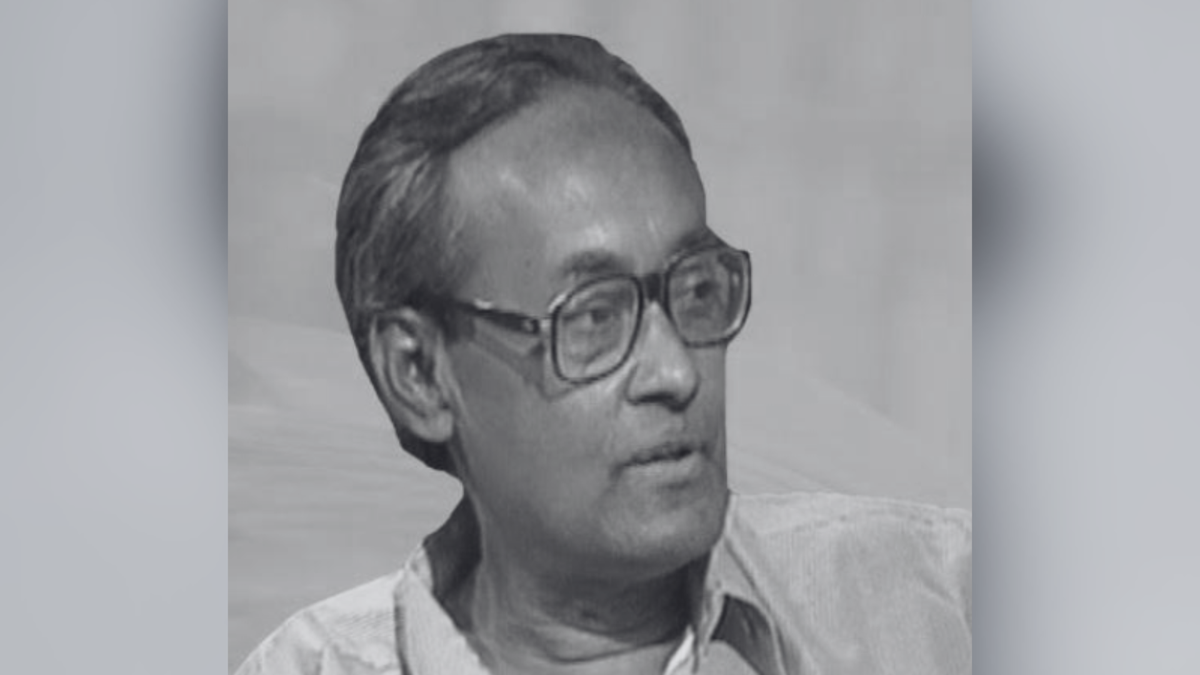
In 1998, Sumit Sarkar, a Marxist historian, began teaching a course titled 'Social History of Modern India' in a first-floor lecture room on North Campus. As a Physics graduate, the author had never encountered names like Bernard S. Cohn, E.P. Thompson, or C.A. Bayly until this course, the defining reading of which was Sarkar's freshly published book, Writing Social History.
The first week of classes ignited a newfound perspective on the world around the author. Instead of being labeled a Marxist historian, Sarkar was a historian who embraced intellectual discomfort and questioned and revised positions he had once endorsed. Decades later, the author still cherishes the copy of Writing Social History, turning to it for inspiration on various subjects such as census, caste, communalism, regionalism, nationalism, globalization, education, and identity.
Ultimately, Sarkar's monumental two-volume work, Modern Times, aims to cover India from the 1880s to the 1950s and is a testament to his vast, sweeping, and intense scholarship.
Written by urgent.news from The Hindu's reporting — not their text. Machine-written — may contain errors; check the original before relying on it.