Canadian Dollar gathers strength on easing Fed rate hike bets
The USD/CAD pair attracts some sellers to around 1.3910 during the early European trading hours on Friday. The US Dollar (USD) weakens against the Canadian Dollar (CAD) as cooled US inflation data have tempered aggressive Federal Reserve (Fed) rate-hike bets.
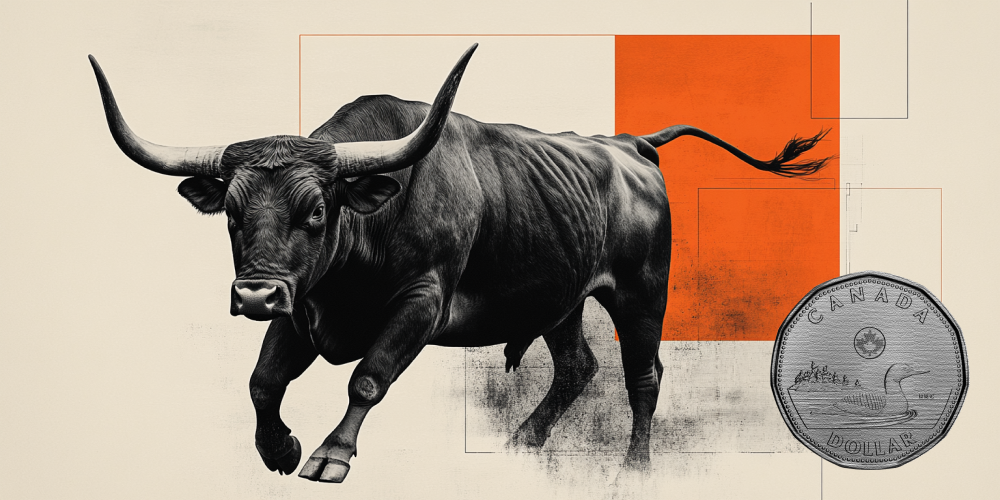
On Friday, the USD/CAD pair dipped to approximately 1.3910 during early European trading hours. The weakening of the US Dollar (USD) against the Canadian Dollar (CAD) stemmed from reduced expectations of aggressive Federal Reserve (Fed) rate-hike decisions, following a decline in US inflation data. Anticipation of a potential pause in rate hikes in September emerged after Thursday's release, showing that US inflation had cooled in July.
The Producer Price Index (PPI) for US goods remained unchanged in July, falling short of the anticipated 0.2% increase. While the core PPI, excluding volatile food and energy prices, rose 0.2% month-over-month in July, it was lower than expected at 0.3% growth on an annual basis. Currently, there is a 38% probability of a rate increase next month, as indicated by the CME FedWatch tool, with analysts believing the Fed will need to raise rates by the end of 2026 to curb inflation exceeding the 2% target for over half a decade.
New York Fed President John C. Williams anticipates inflation will continue easing as the impact of last year's tariff hikes and the Middle East conflict subside. Canada, being a significant oil exporter, may see the Canadian Dollar (CAD) improve due to high crude oil prices, a bullish trend for the commodity-linked currency. National Bank of Canada strategists suggest the CAD's recent weakness may stabilize, citing a "sitting Fed" and underwhelming loonie performance as supportive factors.
Fed Governor Lael Brainard's speech saw a moderate tone score of 4.6/10, lower than the historical average of 6.8/10, reflecting cautious optimism about inflation trends and tariff/energy shocks being temporary. The FXS Fed Sentiment Index dropped 2.36 points to 134.61, indicating a slight decrease in hawkishness amid the softer tone.
Despite this decrease, the index remains above the 100-neutral line, signifying continued Fed hawkishness. The USD/CAD pair is currently below its 100-day moving average and Bollinger Bands' middle band, signaling a bearish short-term outlook. The price is moving closer to the lower Bollinger band support, while the Relative Strength Index (14) at 31.96 hints at potential oversold conditions.
The immediate resistance lies at the 100-day MA at 1.3920 and the middle band at 1.4025. Should the price break below the lower Bollinger band at 1.3885, it may further confirm the bearish sentiment on the daily chart.
Written by urgent.news from FXStreet's reporting — not their text. Machine-written — may contain errors; check the original before relying on it.