Big gap remains between Canada and U.S. in ongoing trade talks: source
The distance on a potential deal comes after a week of negotiations in Washington between Canadian and U.S. officials, labelled by multiple sources as constructive.
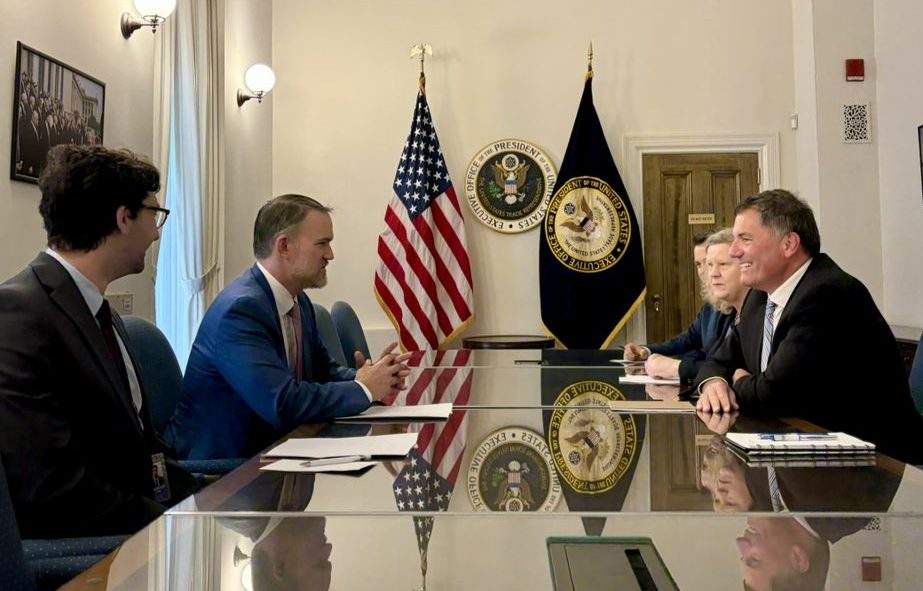
Canada and the United States are far from finalizing a trade deal to decrease existing tariffs and prevent new American tariffs that will begin next week, according to a source familiar with the ongoing negotiations. Despite a week of discussions held in Washington, which have been described as constructive by multiple sources, negotiators from both nations are reportedly still far apart on many key issues.
Even after extensive line-by-line review of individual tariffs, a Global News source reported that there remains a significant gap to bridge before a deal can be finalized.
The U.S. administration is open to including tariffs on steel, aluminum, automobiles, and lumber in any deal it signs, while Canada insists on substantial reductions in American tariffs. Should a deal be reached, tariffs on Canadian-made autos and parts, which are currently subject to the Canada-U.S.-Mexico Agreement (CUSMA) and carry a 25% tariff, would be expected to decrease from their current level.
Auto industry insiders have voiced their opposition to any tariff level on CUSMA-compliant parts and automobiles, deeming it a major threat to the Canadian industry. Unifor's national president, Lana Payne, emphasized this sentiment during a news conference in Brampton, Ontario, stating that the Canadian industry should not be making any concessions to the United States at present.
The U.S. is pushing for changes in current quota allocations for U.S. dairy products sold into Canada without tariffs, as well as for American alcohol to be reintroduced onto provincial liquor store shelves.
Canadian dairy farmers have expressed their disapproval of any further concessions on dairy or supply management during negotiations with the United States. Meanwhile, the U.S. Trade Representative, Jamieson Greer, affirmed on Friday that new 50% tariffs on certain Canadian goods are a direct response to retaliatory measures. Greer likened these retaliatory actions to those taken by China, stating that they must be resolved.
The Canadian government, although willing to walk away from any deal, prefers to secure an agreement now to avoid the imposition of new tariffs on August 19, according to multiple sources. This approach is part of a three-pronged strategy outlined to sources familiar with the Carney government's plans. The first step would involve reaching a deal on sector-specific tariffs and averting new tariffs from being implemented.
The second step would entail signing partnerships in sectors like energy and defence with the United States. Lastly, the third step would be to renegotiate the CUSMA in a more stable environment. It's worth noting that the U.S. has opted not to renew the free trade pact at its scheduled review last month, despite both Canada and Mexico advocating for a new 16-year term.
Written by urgent.news from Global News's reporting — not their text. Machine-written — may contain errors; check the original before relying on it.
This story
This is one outlet's version. Read the fullest account.