Bessent teases severe economic action against Iran
Treasury Secretary Scott Bessent said the Trump administration will unveil new measures against Iran next week as it seeks to increase economic pressure on the regime to come back to the negotiating table on a deal to end hostilities and fully reopen the Strait of Hormuz. “Watch this space for more announcements coming next week...
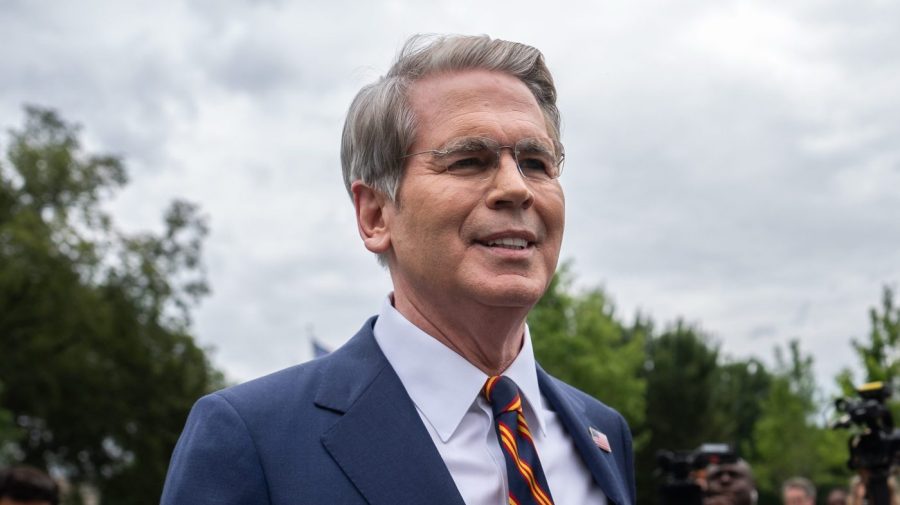
The United States plans to unveil unprecedented economic sanctions against Iran in the coming week, Treasury Secretary Scott Bessent announced. These measures will represent a "one-two punch" to Iran's economy, alongside the ongoing blockade of its ports, according to Bessent. The economic pressure comes after months of conflict between the US and Iran, which erupted on February 28 when the US and Israel carried out airstrikes on Iran.
Iran retaliated with missile and drone attacks, leading to thousands of casualties, most of them in Iran. Despite a truce in June, intermittent clashes have continued, disrupting oil and other commodity flows from the region. Iran's economy has suffered greatly due to the sanctions, with much of its industrial capacity damaged and oil exports severely limited by the US blockade.
However, the Islamic Republic has managed to withstand the sanctions and maintain control over the Strait of Hormuz. US President Donald Trump's administration is now focusing on economic pressure as the US faces a supply shortage of necessary munitions and faces growing domestic opposition to an ongoing military campaign as the election nears.
However, it's unclear what specific economic measures the US could impose without resorting to secondary sanctions on buyers of Iranian oil, such as China, which could lead to further global energy price uncertainty. The US has imposed sanctions on Iran since 2018, and a Bloomberg Economics report suggests that more of the same is unlikely to yield any changes in Iran's behavior.
Iran, for its part, has strengthened its military to be more aggressive abroad as the ongoing war remains unresolved. The Strait of Hormuz has been a contentious issue, with both sides claiming control over the waterway, through which one-fifth of the world's oil and gas passes. Iran and Oman have been negotiating for a shipping route through the strait, but the US is not involved in these discussions.
Two vessels from the UAE were attacked while passing through Hormuz, but no one was injured, and the situation has been resolved. The US has stepped up its efforts to escort ships through Hormuz, with crude flows from the region expected to increase despite the "pinch" in the oil market being driven by refining rather than deliveries.
Vice President Kamala Harris emphasized that the primary goal in the war with Iran is to keep oil and gasoline prices affordable for Americans, and that the US has a range of tools to compel Iran's actions.
Written by urgent.news from Live Mint's reporting — not their text. Machine-written — may contain errors; check the original before relying on it.