Attacks on healthcare in conflict zones averaging more than four a day in 2026, World Health Organization says
By Olivia Le Poidevin GENEVA, Aug 14 (Reuters) - Attacks on healthcare facilities, workers and patients in conflict zones including Ukraine and Gaza have continued to rise in 2026, reaching an average of more than four per day, the World Health Organization said on Friday. There have been more than 900 attacks between January and August this year, resulting in at least 900 deaths and more than…
The World Health Organization (WHO) has recommended testing the Ervebo vaccine in a clinical trial in the Democratic Republic of the Congo (DRC) as it seeks to understand if a vaccine designed for one strain of Ebola can protect against another. The Ervebo vaccine, initially developed to combat the Zaire ebolavirus responsible for the 2014-2016 West African epidemic, is being considered for the Bundibugyo species causing the current outbreak.
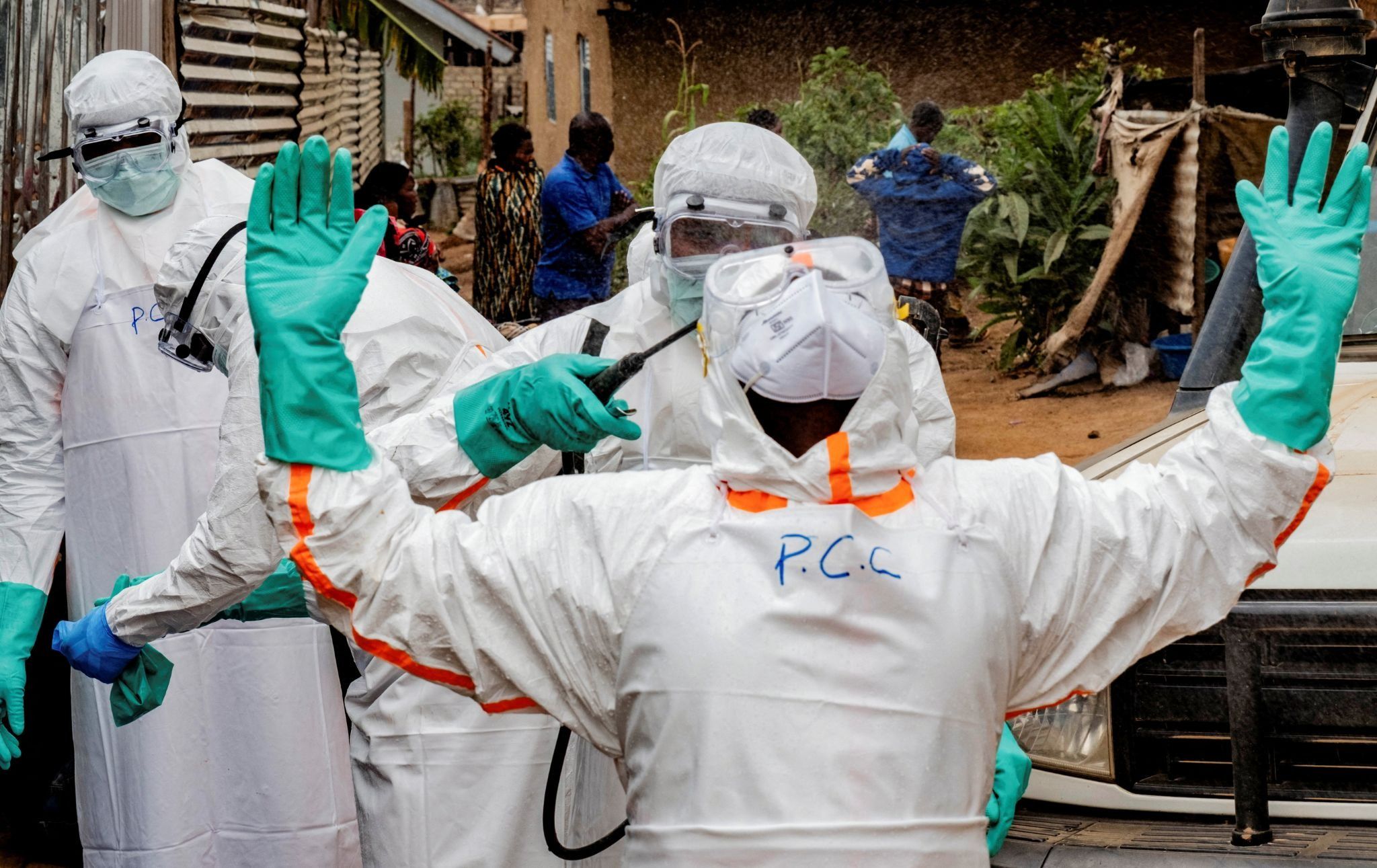
The DRC has seen over 4,402 confirmed Ebola cases and 2,013 deaths since May 2026, making it the second-largest Ebola epidemic on record. The UN has described it as the fastest-growing outbreak ever recorded, with fears it could become the world's largest. Efforts to control the outbreak rely heavily on vaccination and public health measures, but there is currently no licensed vaccine for Bundibugyo.
Several Bundibugyo vaccines are in development, including those by Oxford University and the Serum Institute of India, and Moderna. However, none are being tested in Africa. Public health authorities may use large-scale vaccination campaigns to create a protective ring around infected individuals, and public education is vital to reduce transmission risks, particularly during funerals.
The WHO advisory group's decision to test the Ervebo vaccine hinges on the limited evidence that it can trigger an immune response against the Bundibugyo virus. While studies show the vaccine stimulates an immune response in people and protected monkeys from dying after later exposure to Bundibugyo, further research is needed to determine its effectiveness in real-world conditions.
Written by urgent.news from Medical Xpress's reporting — not their text. Machine-written — may contain errors; check the original before relying on it.