Asian stocks set for weekly gain on fading US rate hike wagers
Asian stocks rose on Friday, poised for their strongest week in two months as benign inflation data dented expectations of an imminent US rate hike, although faltering talks to end the war in the Middle East are likely to keep risk sentiment in check.
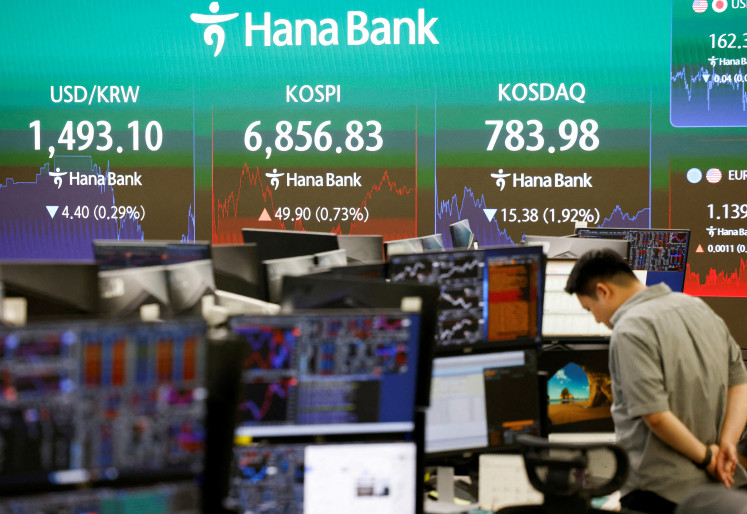
Asian stocks are poised for weekly gains as concerns over a potential U.S. interest rate hike dissipate, according to recent market analysis. The positive outlook stems from reassuring inflation data and the threat of heightened U.S. economic sanctions against Iran. Brent crude futures stabilized around $87.03 per barrel, marking a 4 percent weekly rise after a dip on Thursday, which ended a two-week losing streak.
Despite the faltering talks aimed at resolving the Middle East conflict, which may dampen risk appetite, market participants are currently focused on artificial intelligence trends and the broader perspective on monetary policy. Saxo's chief investment strategist, Charu Chanana, attributes the current rally to the reduced immediate risk of a Federal Reserve rate increase.
However, she cautions that the rally remains headline-driven and not a sign of a stable risk-on environment. The rally could be short-lived without clarity on the Middle East situation, as another spike in oil prices could reignite inflation and Fed concerns. MSCI's Asia-Pacific index outside Japan experienced a 0.28 percent increase, leading to a 2.7 percent weekly gain, the strongest since mid-June.
Japan's Nikkei also saw a 1.5 percent rise, forecasting an over 5 percent gain for the week. The disconnect between geopolitical uncertainty and asset price volatility has become a puzzling factor in recent months, according to John Sidawi, a senior portfolio manager at Federated Hermes. While market participants seem willing to endure significant uncertainty without demanding higher risk premiums, Sidawi warns that this equilibrium may not be permanent.
A significant escalation in conflict or a clear resolution could finally shake investors and lead to a substantial volatility response. The Japanese yen weakened against the US dollar, hovering near the critical 160 level, potentially triggering another yen buying round from Tokyo. Traders anticipate the Bank of Japan might start supporting the yen, with a rate hike possible in September.
However, investors may be disappointed if the central bank's response falls short of expectations. The yen's weakness is attributed to an overly cautious Bank of Japan and a policy rate that remains too low. While this may pose challenges for the economy, some argue that prioritizing yen protection is a choice. In commodities, gold saw a 0.8 percent decline to $4,313 per ounce as investors cashed in profits following its all-time high since early June.
The chance of a Fed rate hike next month dropped from 55 percent to 35 percent, according to the CME FedWatch tool. This shift has led to a surge in US Treasuries, although the lackluster performance of the 30-year bond auction cast a shadow on the market.
Written by urgent.news from The Jakarta Post's reporting — not their text. Machine-written — may contain errors; check the original before relying on it.