AI scrambles the political map
The search for a winning message on AI is pushing candidates and lawmakers into unexpected political territory. Why it matters: With the midterms approaching, AI is creating alliances across party lines while opening fissures within them. Here are three ways AI is scrambling the political map. 1. Centrist Democrats versus progressives on data centers New York made waves as the first state to…
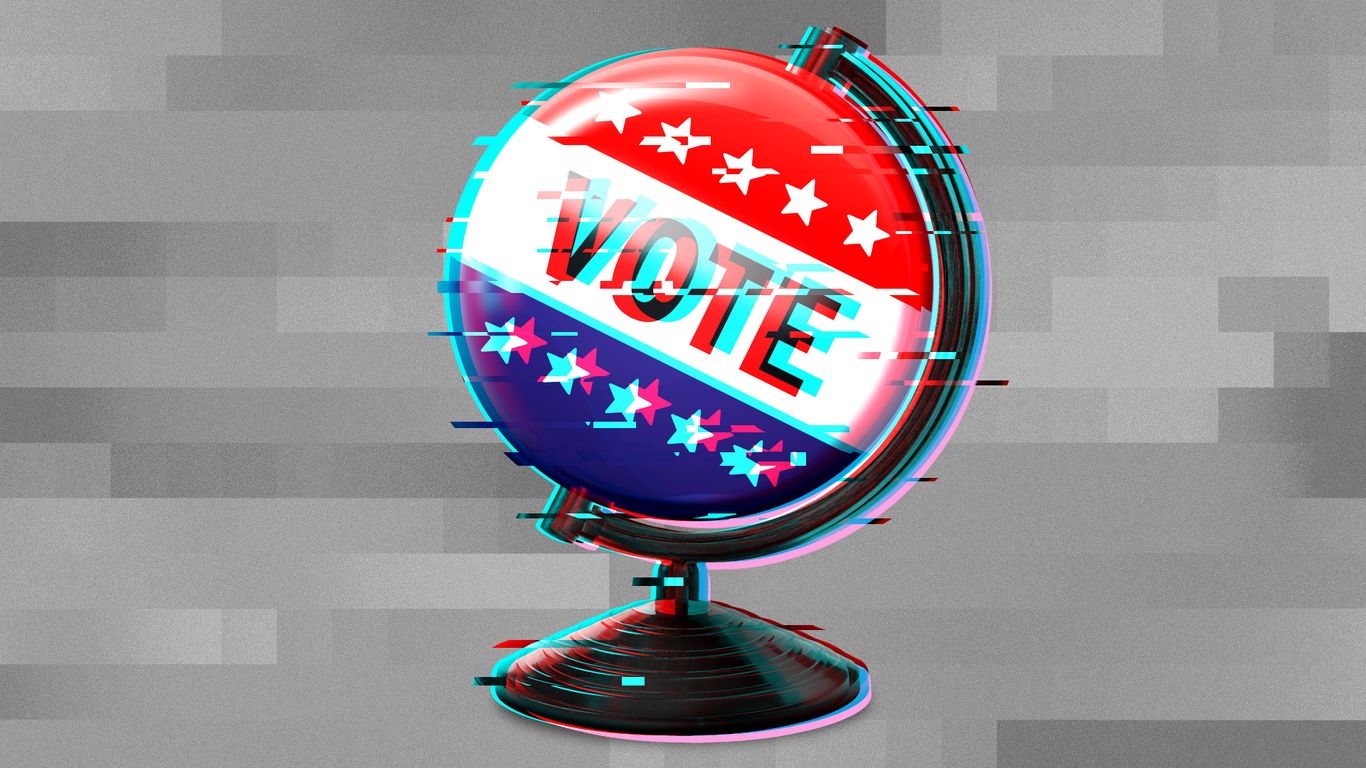
AI is reshaping the political landscape as candidates and lawmakers test the boundaries of cooperation and division. Here are three critical ways AI is altering the political map.
First, centrist Democrats and progressives are clashing over data center regulations. In New York, Governor Kathy Hochul and State Senator Kristen Gonzalez have united for a data center moratorium, but Gonzalez is pushing for a three-year moratorium extension and a responsible development act. Her statewide tour to garner support is extending beyond traditional Democratic strongholds and reaching into red and purple regions.
With Hochul and Gonzalez's differing views, the outcome could determine the extent of alignment between centrist Democrats and progressives on a potentially mobilizing issue for voters across the political spectrum.
Second, the Tea Party movement is clashing with the Trump administration on data centers. Activists with Tea Party ties, such as Humans First, are protesting the establishment of data centers, urging Republicans to recognize the issue. However, they are facing accusations of being an astroturf organization aligned with the left.
On the other hand, Humans First considers itself a grassroots conservative group advocating for an "America First AI policy." While the administration denies any alignment with the group, sources familiar with them claim there is no access or influence within the White House.
Lastly, libertarians and progressives are finding common ground on surveillance issues. Congress's Progressive Caucus Chair Greg Casar is strategizing for a Democratic takeover of the House, focusing on privacy and closing surveillance law loopholes. He aims to capitalize on the growing concern over AI-powered surveillance, with Republicans increasingly joining Democrats to create safeguards against potential misuse of personal data in Pennsylvania and West Virginia.
As the elections approach, candidates and lawmakers will need to navigate this complex web of alliances and divisions to craft messages that resonate with a broad range of voters.
Written by urgent.news from Axios's reporting — not their text. Machine-written — may contain errors; check the original before relying on it.