Africa: Can You Be Served When You're Not Counted? Disability Advocates Demand a Seat at the SRHR Table
[allAfrica] Mombasa, Kenya -- For persons with disabilities, being in the room does not always mean being included.
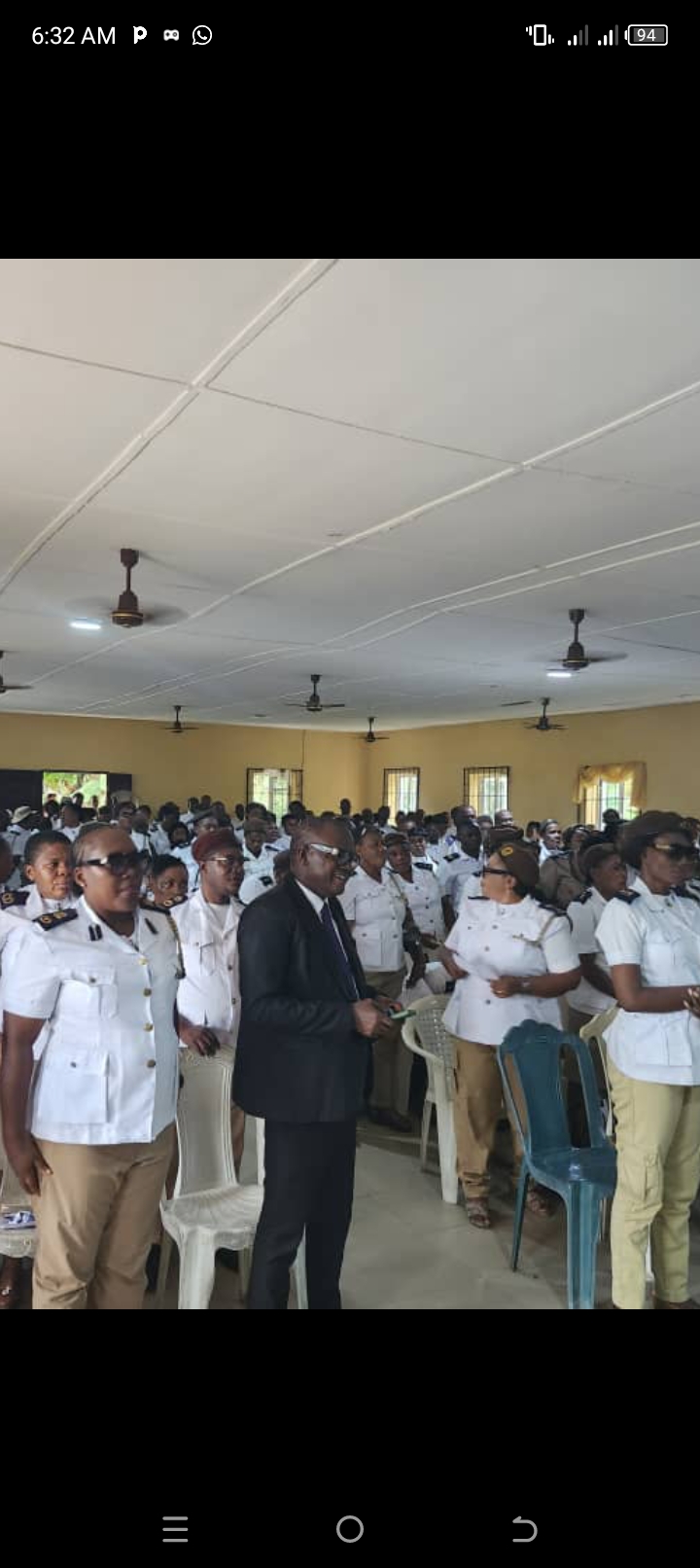
Mombasa, Kenya — The inclusion of persons with disabilities in discussions surrounding sexual and reproductive health and rights (SRHR) has been brought to the forefront at the MenEngage Africa SRHR Progress 2026 Symposium. Advocates and practitioners questioned whether those with disabilities are truly seen, heard, and served. Dr. Susan Musau of the Gifted Community Center emphasized the need to examine inclusion beyond mere representation.
Dr. Michael Munene, Executive Director of the National Council for Persons with Disabilities, challenged the audience to rethink how they measure an inclusive health system. He asked if the number of hospitals built, policies adopted, or programmes implemented are sufficient measures, or if the key lies in whether individuals with disabilities can access maternal healthcare, receive sexual and reproductive health information, and make informed decisions about their wellbeing. An inclusive health system should prioritize the reach of those historically excluded.
Approximately 1.3 billion people worldwide, or about one in six, live with a disability. In Africa, an estimated 80 million people, or 10-15% of the population, fit this description. Despite representing the world's largest minority group, persons with disabilities are among the least likely to access equitable health services, including SRHR.
Barriers to healthcare for persons with disabilities extend beyond the disability itself. They include inaccessible facilities, a lack of information in accessible formats, discrimination, and communication difficulties with healthcare providers. Stigma, discrimination, poverty, exclusion, and systemic barriers within health systems also play significant roles.
Joseph Etyang, a deaf disability rights advocate, clarified that disability inclusion extends beyond physical accessibility. It encompasses equal rights and opportunities, and accessible services must cater to all types of disabilities. Kenya's ratification of disability rights protections and the Persons with Disabilities Act, signed in 2025, has led to incremental but real progress.
However, structural barriers persist, such as the scarcity of accessible toilets and inconsistent physical access to buildings and services. Language barriers are particularly acute for the deaf community, especially those in rural areas.
Data gaps further complicate efforts to design accurate programs and policies tailored to the needs of persons with disabilities. Women and girls with disabilities face the most acute barriers, exacerbated by community stigma and negative attitudes. Measuring inclusion must go beyond policy presence to actual accessibility and utilization of services.
Etyang highlighted that Kenya has made progress in disability inclusion, with 35 counties implementing disability employment provisions, benefiting thousands of persons with disabilities, including deaf and disabled communities. The National Council for Persons with Disabilities has been instrumental in leading accessibility audits, providing reasonable accommodations, and supplying assistive devices.
Written by urgent.news from AllAfrica Health's reporting — not their text. Machine-written — may contain errors; check the original before relying on it.