A renewed US-Iran truce would not be the same as peace
This week’s push by Pakistan to broker a new understanding between the US and Iran comes with an increasingly familiar – and repetitive – sense of urgency. The 60-day framework for peace agreed by the two countries in June expires soon, and there is little certainty about what comes next. It is entirely possible than an 11th-hour agreement could be reached. A renewed MoU would certainly be a…
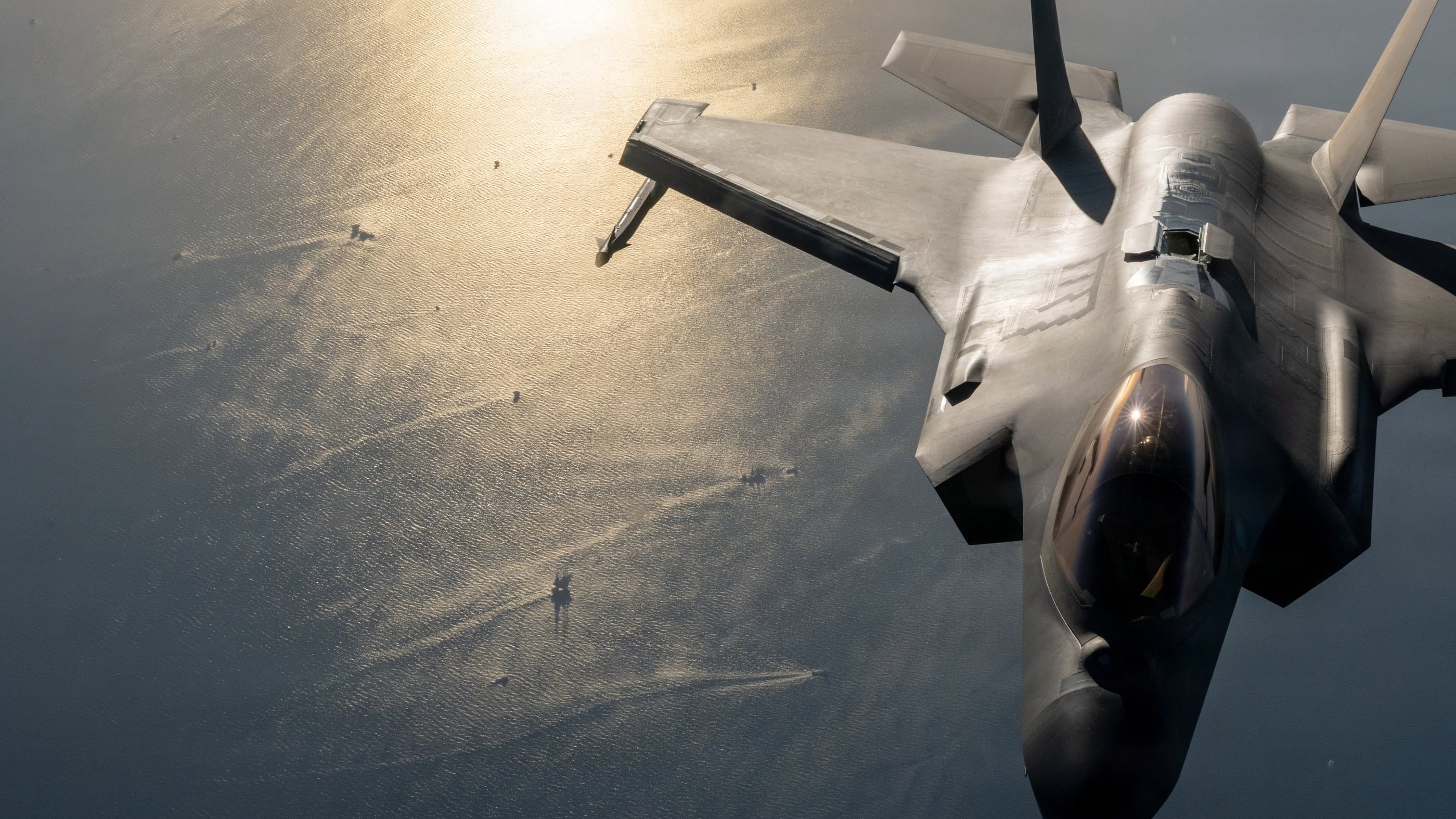
This week, Pakistan has attempted to broker a new understanding between the US and Iran. The 60-day peace framework they initially agreed upon is set to expire soon, leaving much uncertainty about what will transpire next. While a renewed Memorandum of Understanding (MoU) could provide relief, particularly for the millions of people affected by the US-Israeli attack on Iran and Tehran’s retaliation, it is not equivalent to true peace.
This is because the renewed MoU would merely present another opportunity to negotiate what has proven difficult thus far – a fair and lasting settlement. The people of the Middle East cannot simply accept a pause. Instead, they require a respite that addresses recurring patterns of negotiations followed by optimism, only to witness missed deadlines, threats, and additional attacks.
This cycle is becoming increasingly dangerous, as it risks legitimizing the use of military force when one side feels frustrated or seeks leverage.
The consequences of such failures are tangible. For instance, the 400 square kilometre oil spill approaching Oman’s coast after an explosion aboard a Russia-linked tanker highlights how swiftly instability in the region, particularly in the Strait of Hormuz and Bab Al Mandeb, can escalate into an environmental and economic crisis.
However, there are some indications that US calculations may be shifting. President Donald Trump’s decision to adopt a more subdued approach in engaging with Iran may have far-reaching implications. Lowering tensions does not signify weakness or defeat; rather, it reflects the Gulf's desire to avoid either Washington or Tehran claiming victory at the cost of regional stability.
The Gulf nations are more concerned with a settlement that eliminates the constant threat of war, safeguards freedom of navigation, and instills confidence among businesses and governments that the next crisis will not jeopardize critical infrastructure once again. Ultimately, the world and its economy would benefit from a settlement that goes beyond a mere hiatus between crises.
Permitting diplomacy to falter until military action becomes the sole language is a risk the world cannot afford to take.
Written by urgent.news from The National UAE's reporting — not their text. Machine-written — may contain errors; check the original before relying on it.
This story
This is one outlet's version. Read the fullest account.
- A renewed US-Iran truce would not be the same as peace thenationalnews.com