A Looksmaxxing App Promised I Could Be Hot in 90 Days
(MedPage Today) -- A new documentary, "Louis Theroux: Inside the Manosphere," hit number one on Netflix this spring, spotlighting the influencers who exploit young men and monetize their insecurity. One way they do this is through looksmaxxing...
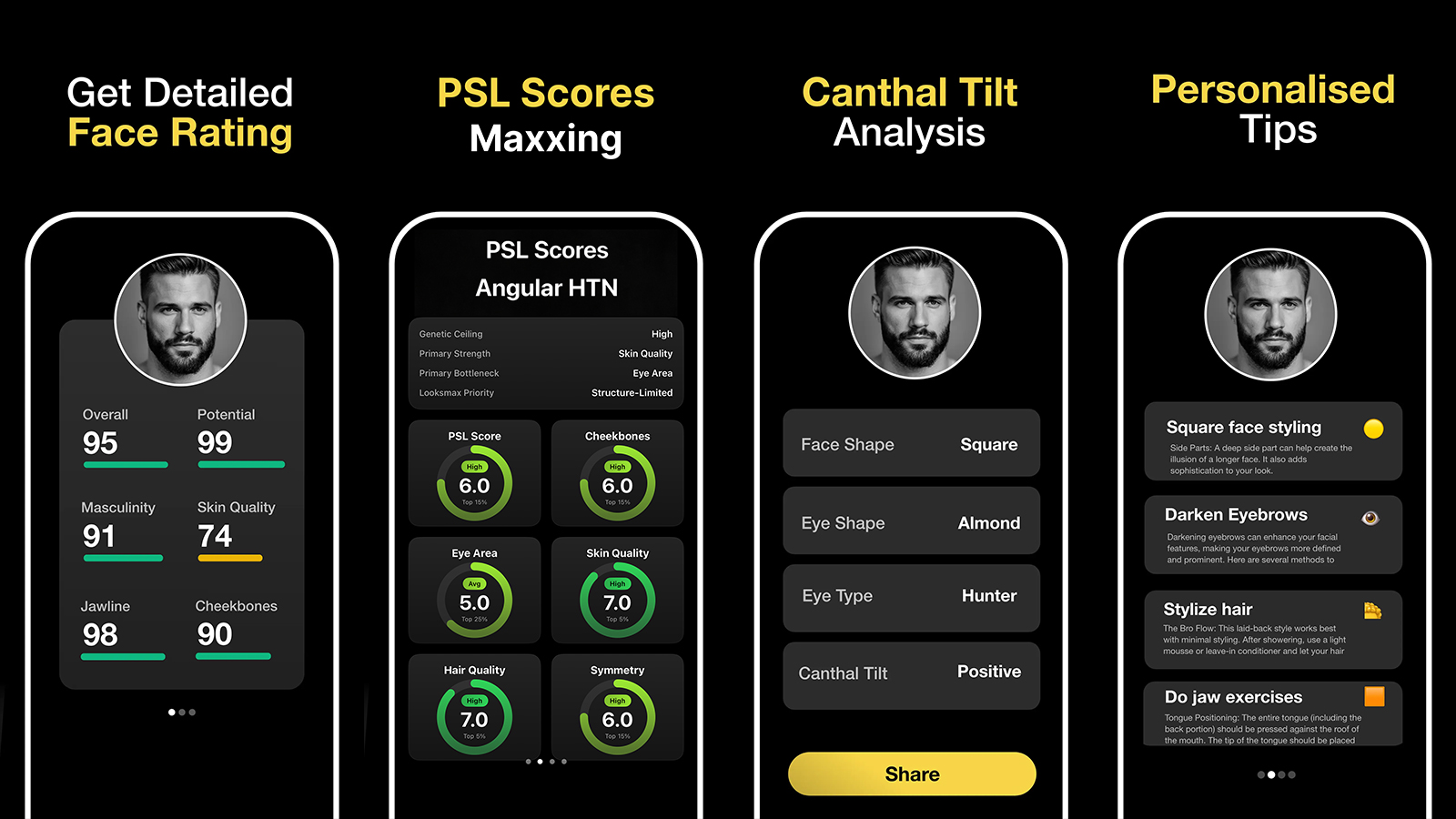
A new documentary on Netflix, "Louis Theroux: Inside the Manosphere," has brought attention to the influencers who target young men and profit from their insecurities. One tool of this exploitation is looksmaxxing apps, which utilize artificial intelligence to provide objective scores of a person's attractiveness. A 15-year-old, for example, could take a selfie and receive a numerical verdict of 6.3 out of 10, along with a list of recommended improvements to reach the idealized standard.
These apps represent a booming industry with a significant following of teenage boys. One app, Umax, alone was downloaded an estimated 200,000 times within a single month. However, the troubling nature of these apps has prompted clinicians to warn about the potentially detrimental effects on adolescent boys' physical and mental health, including eating disorders and body dysmorphia.
The apps promise users that they can achieve their genetic potential within 90 days of subscribing. They showcase an idealized image featuring symmetrical faces, light eyes, fair skin, and prominent bone structure. Each app has its own variation of desired attributes, but they all adhere to the same narrow beauty standard.
The number 6.3, which is the score given by these apps, is not a subjective feeling but rather a calculated measurement based on the algorithm's preconceived notions of attractiveness. While the apps claim to offer a scientific approach to physical enhancement, they do not meaningfully verify the user's age, allowing minors to access the platform.
These apps profit from the widespread body dissatisfaction among young people, particularly in marginalized communities. A 2018 study found that commercial facial analysis tools misclassified the gender of darker-skinned women 34% of the time, compared to under 1% of lighter-skinned men. Additionally, face-altering beauty filters on social media consistently remodel features to conform to Eurocentric norms.
The apps' impact on mental health is equally concerning. In LGBTQ+ youth, body dissatisfaction is already widespread, with 87% reporting dissatisfaction with their bodies in 2023. Those who struggle with body image have twice the odds of a past-year suicide attempt compared to their more satisfied peers.
To address these issues, Texas has implemented age checks for app downloads, but such measures are insufficient without federal legislation. Lawmakers must ensure that any app scoring attractiveness or genetic potential is transparent about its methods, validation, and the diverse faces it was built upon. In the face of these apps' promotion of unrealistic beauty standards, the need for scrutiny is paramount, especially as they serve as the mostly male counterpart to the social media content that has already led to a crackdown on Facebook and Instagram for causing mental health harm.
Written by urgent.news from MedPage Today's reporting — not their text. Machine-written — may contain errors; check the original before relying on it.