A Cold War Movie That Gives Too Much Credit to Ronald Reagan
The Brink of War , a new film about the Reykjavik summit, is too kind to the Gipper.
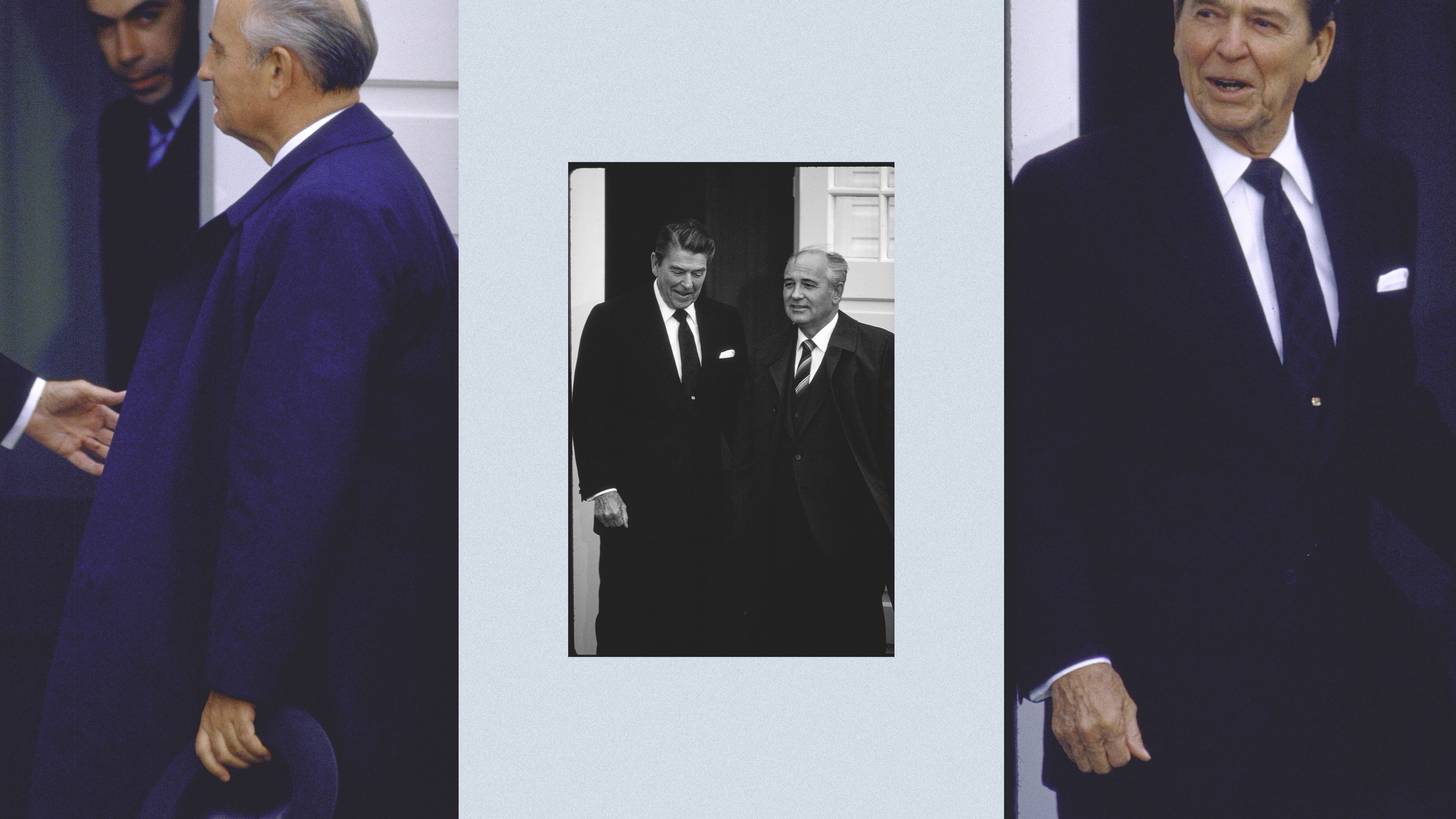
The Brink of War, a new film released nationwide in October 2021, aims to provide a more nuanced portrayal of the Reykjavik summit between U.S. President Ronald Reagan and Soviet General Secretary Mikhail Gorbachev in October 1986. The film, based on transcripts and interviews, seeks to correct the liberal narrative that Reagan was a disconnected simpleton who failed to grasp the intricacies of the arms race.
However, it leans too heavily in the opposite direction, being overly kind to Reagan and making liberties with the historical record. While the film provides drama, it sacrifices historical accuracy for melodrama and a narrow focus on a few personalities. The title is misleading, as the world was not on the brink of war in late 1986; Soviet-American tensions were higher during Reagan's first term, which included significant events such as Reagan's "Evil Empire" speech, the Strategic Defense Initiative, and the U.S. invasion of Grenada.
Gorbachev, who took power in 1985, initially inherited a tense situation but quickly worked to ease it. Two meetings prior to Reykjavik had already set the stage for cooperation. The film portrays Reagan as well-prepared and Gorbachev as nervous, but the reality was quite the opposite. Reagan was concerned about the meeting, and initially relied on notes.
Gorbachev, himself, appeared to be well-prepared, and the film's inaccuracies in this regard detract from its overall effectiveness. The film highlights the proposal for a 50% cut in Soviet and American weapons stockpiles, which both leaders agreed to, but it omits that the idea of full abolition was initially dismissed as propaganda in both capitals.
With its flawed depiction of key events and figures, The Brink of War is a mixed effort in its attempt to give a more accurate portrayal of a pivotal moment in Cold War history.
Written by urgent.news from The Atlantic's reporting — not their text. Machine-written — may contain errors; check the original before relying on it.