A Bleak, Violent Novel’s Unexpected Delights
For the characters in The Disappearers , seeing and being seen are matters of life and death.
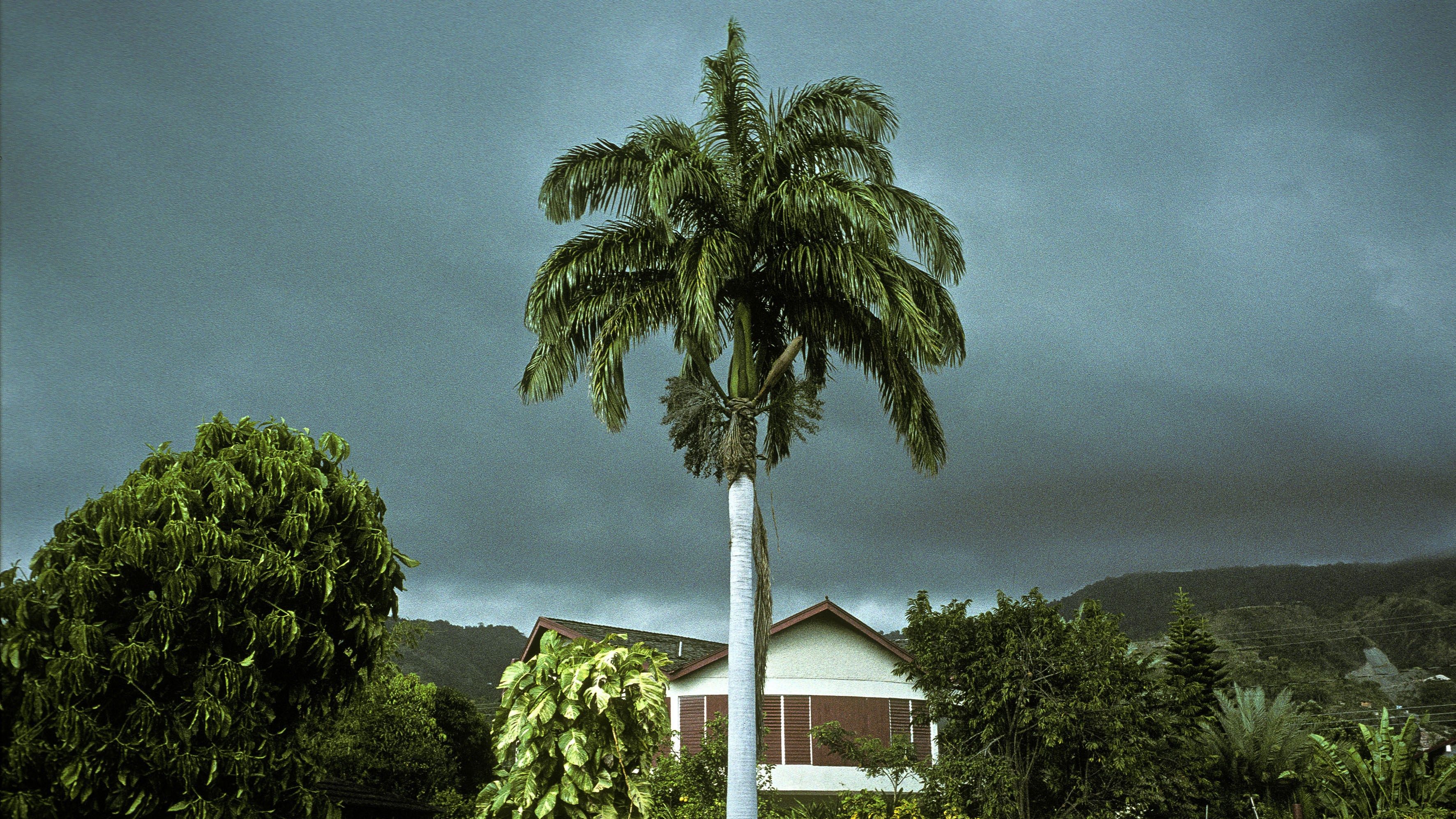
This is an edition of the Books Briefing, our editors' weekly guide to the best in books. Sign up for it here. After his Booker Prize-winning A Brief History of Seven Killings, Marlon James focused on his Dark Star Trilogy, set in a fantasy universe. Now, he returns to Jamaica in his new novel, The Disappearers, which follows a group of queer Jamaican men who meet while rehearsing a play that will never be seen in Kingston.
The novel is primarily set in Kingston and explores the theme of visibility and representation for the gay community. The characters seek out any material that proves gay life exists on a larger scale, with lowbrow works like porn films and magazines being most accessible. They also name-drop gay novels such as Andrew Holleran's Dancer From the Dance and E.M.
Forster's Maurice. The play they put on, Fortune and Men's Eyes, explores homosexuality among a group of prisoners, with some characters using sex as a means for gaining power or accessing pleasure. The novel's major theme is that being recognized as gay can be a bad thing, as owning these books or staging the play can invite violence and vigilantism in 1988 Kingston.
The director, Havelock Titus, questions the value of the effort, knowing that the unstaged play never had the chance to become a failure.
Written by urgent.news from The Atlantic's reporting — not their text. Machine-written — may contain errors; check the original before relying on it.