26 Years Ago Today, A Beloved Children's Show Changed Educational Television Forever
Back in 2000, a young Latina heroine changed educational TV forever - and gave Nickelodeon a multibillion-dollar franchise at the same time.
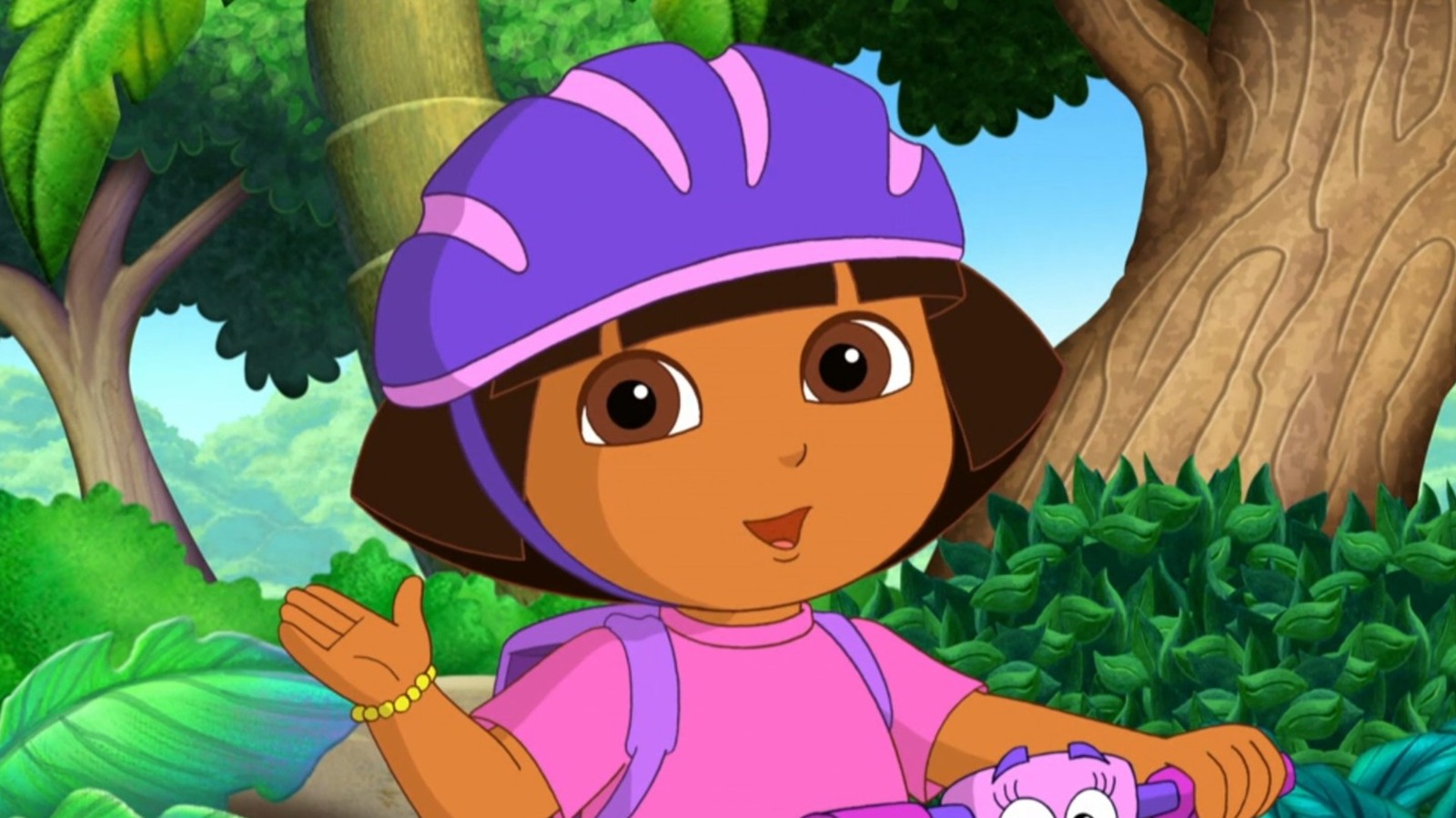
On August 14, 2000, Nickelodeon debuted Dora the Explorer, a children's show featuring a young Latina girl named Dora who loved exploring. The program, which ran until 2019, showcased Dora, an anthropomorphic monkey named Boots, and a talking map as they taught preschoolers problem-solving skills, numbers, and Spanish. Dora's bilingual nature, speaking Spanish in every episode and encouraging viewers to repeat phrases, marked a significant shift in educational television.
This show, later translated into 32 languages, aired in over 150 countries, including non-English speaking nations where viewers used it to learn English. Dora the Explorer's interactive nature, with pauses in dialogue for viewers to participate, also contributed to its educational value. Although Dora's unique speech style led to numerous memes and jokes, it became one of the show's most effective educational tools.
Beyond its educational impact, Dora the Explorer proved to be a profitable venture. Just eight months after its debut, Nickelodeon rushed to capitalize on the show's success, leading to the creation of merchandise within a year. By 2010, Dora had generated $11 billion dollars for the network. Expanding the Dora brand further, Nickelodeon introduced series like Go, Diego, Go!, Dora and Friends: Into The City, and a Paramount+ reboot, Dora!.
Additionally, Dora ventured into live-action, with the movie Dora and the Lost City of Gold earning over $120 million worldwide. A second live-action film, Dora and the Search for Sol Dorado, premiered on Paramount+ in 2025 to celebrate the character's 25th anniversary.
Written by urgent.news from TVLine's reporting — not their text. Machine-written — may contain errors; check the original before relying on it.