Why is Hong Kong’s heat-stress warning system for outdoor workers in the hot seat?
Hong Kong residents have borne the brunt of extreme weather this summer, with July rainfall exceeding the monthly norm by 23 per cent, followed by hot spells in August linked to Tropical Cyclone Dolphin’s influence. As of Thursday, the maximum temperature recorded at the Hong Kong Observatory reached 33 degrees Celsius (91 Fahrenheit) or above for nine consecutive days, marking the longest streak…
The Hong Kong heat-stress warning system for outdoor workers is facing scrutiny after the city experienced record-breaking temperatures in August. The Labour Department issued only the lowest-tier alert on Sunday, despite a maximum temperature of 36.9 degrees at the Observatory's headquarters in Tsim Sha Tsui, the highest since record-keeping began in 1884.
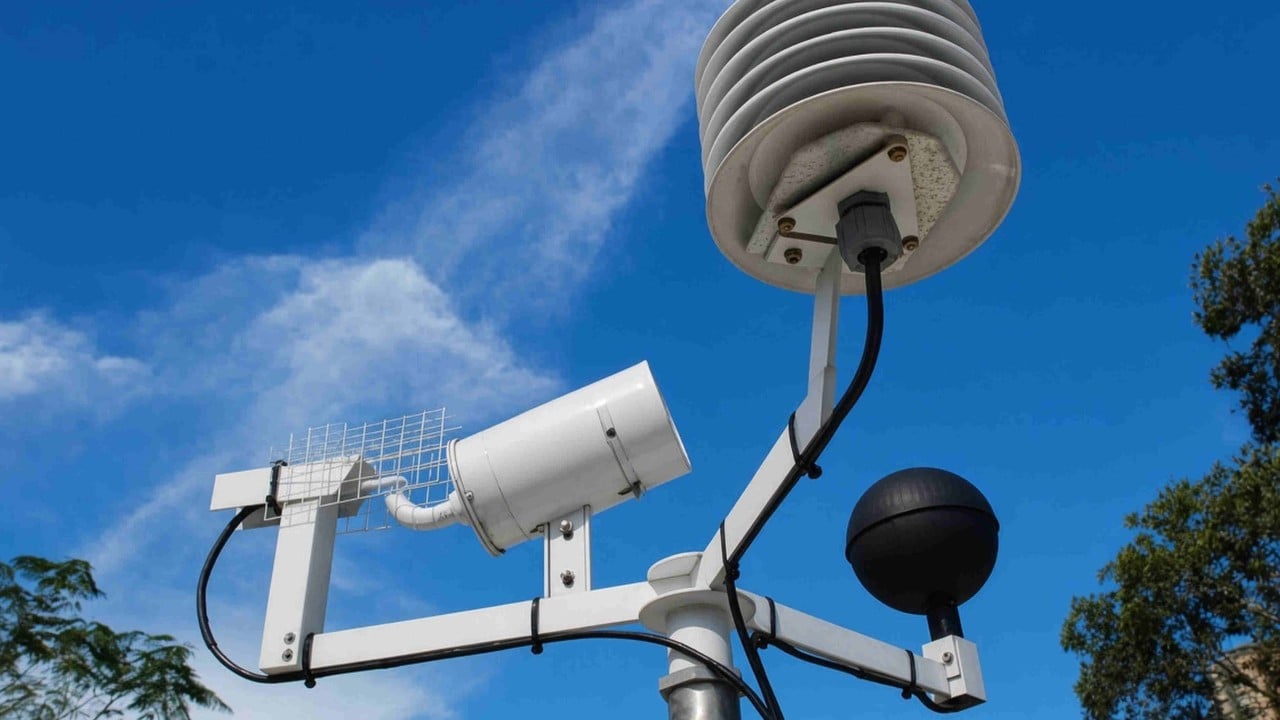
The system, based on the Hong Kong Heat Index, uses variables like air temperature, humidity, wind speed, and solar radiation to assess heat stress risk for outdoor and indoor workers with limited ventilation.
The Hong Kong Heat Index was developed through joint research by the Observatory and the Chinese University of Hong Kong (CUHK). However, meteorologists argue that the formula places too little emphasis on solar radiation, which affects outdoor workers exposed to direct sunlight. They suggest that the Labour Department should adopt the Wet-Bulb Globe Temperature (WBGT) index, which gives greater weight to solar radiation, to better reflect the conditions faced by outdoor workers.
Former Observatory directors argue that the hospitalization data used in the CUHK study covered the entire population, including non-workers and indoor workers, which led to a lower weighting of solar radiation in the Hong Kong Heat Index. They urge the Labour Department to revise its Heat Stress at Work Warning system to align with the WBGT, which has been successfully used to trigger heatstroke-prevention measures in other countries like Japan and Singapore.
Written by urgent.news from South China Morning Post - Hong Kong's reporting — not their text. Machine-written — may contain errors; check the original before relying on it.
This story
This is one outlet's version. Read the fullest account.