Why Is Everyone Playing Mahjong?
The centuries-old game is having a moment. But what happens when a tradition rooted in Chinese history becomes a lifestyle trend?
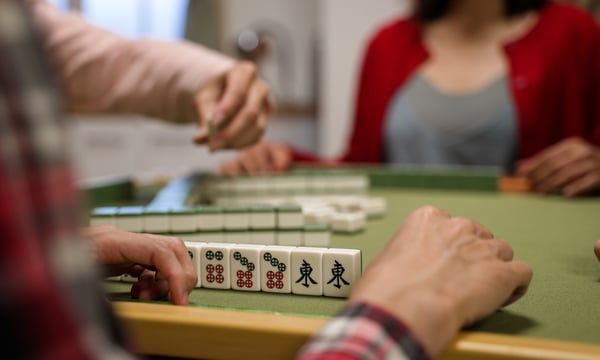
Mahjong, an ancient Chinese tile game, is experiencing a resurgence in popularity worldwide. This enduring tradition, which originated in eastern coastal China during the late 1800s, has evolved over time and gained traction in various parts of the globe. However, this renewed interest in mahjong raises pressing questions about cultural exchange, commercialization, and the preservation of its historical roots.
Initially, mahjong spread from China to other countries like the United States, France, and the United Kingdom, often depicted as an exotic Chinese novelty in advertisements and media. American companies played a significant role in promoting the game, with organizations such as Abercrombie & Fitch capitalizing on its popularity through commercial channels. Yet, the contributions of Chinese merchants and community members, who imported and taught mahjong to Americans, are often overlooked.
Traditionally, mahjong involves four players drawing and discarding from 144 tiles in an attempt to create winning combinations. The game relies on strategy, probability, memory, and social interaction, with the social aspect being equally important. Today, there are over 40 variations of mahjong played across different regions, each with its unique rules, player count, and tile arrangements.
Chinese variants, including Cantonese and Hong Kong styles, differ from Japanese riichi mahjong, while American Mah Jongg, developed in the 1920s, incorporates joker tiles absent in the original version.
In the United States, the current revival centers around American Mah Jongg, with commercial brands and influencers promoting a lifestyle trend around the game. This trend has sparked debates about cultural appropriation and the impact on Chinese communities. While some argue that cultural borrowing is a normal part of human societies, others emphasize the importance of acknowledging origins and avoiding harm to the communities from which these practices originate.
Outside China, mahjong helps maintain cultural identity among the Chinese diaspora and strengthens community bonds. Rising search interest in "mahjong" and related terms, along with growing media coverage, reflects the game's popularity. However, luxury houses and marketing companies are profiting from this trend, with Hermès selling mahjong sets for tens of thousands of dollars and companies like The Mahjong Line generating millions in revenue.
The challenge moving forward lies in ensuring that mahjong's popularity remains rooted in the Chinese communities and histories that shaped it, while also giving those communities a meaningful voice in its future development.
Written by urgent.news from The Diplomat's reporting — not their text. Machine-written — may contain errors; check the original before relying on it.