Whoosh debt is not gone, only moved around
The decision to move the consortium's stake to the fiscal authorities is effectively an admission that the domestic SOE structure has reached its limits.
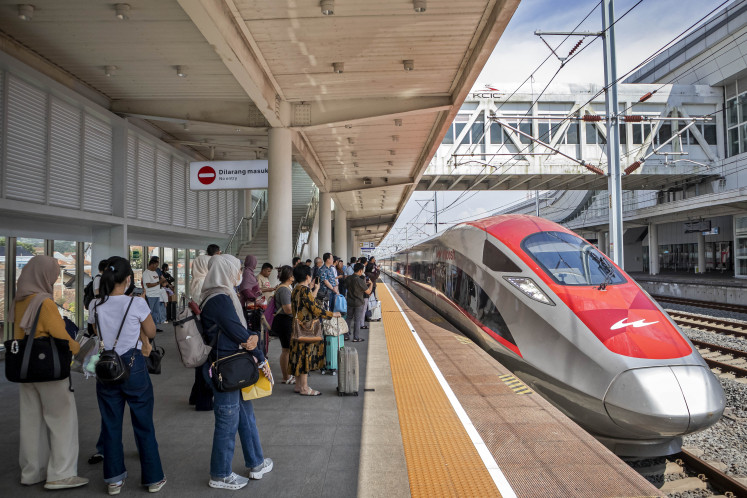
Whoosh railway's debt is not vanished, merely relocated. A recent agreement between Finance Minister Purbaya Yudhi Sadewa and Danantara Indonesia's COO Dony Oskaria signals a new phase in the struggling high-speed train's finances. Under the deal, a 60% equity share in PT Kereta Cepat Indonesia China (KCIC), along with its liabilities, will transfer to the Finance Ministry by mid-September.
Despite the official claim that this won't cost the State Budget a single rupiah, this assertion needs careful examination. While the transfer alleviates the burden from the SOE balance sheets, it doesn't erase the underlying debt. Instead, it merely shifts the risk and determines who may eventually have to bear it. This move indicates that the domestic SOE structure has hit its limits.
PT Kereta Api Indonesia (KAI) and PT Wijaya Karya (WIKA) are grappling with significant financial trouble from the project, while Danantara, controlling a substantial portion of SOE dividends, has hesitated to use its earnings to address Whoosh's ongoing cash-flow issues. With the initial risk bearers unable to manage the debt, moving the liabilities to fiscal authorities became a strategy to prevent further spread of the problem across the SOE system.
The chosen mechanism is a Special Mission Vehicle (SMV), such as PT Sarana Multi Infrastruktur (SMI), operating under the Finance Ministry's authority. This SMV would assume the equity and manage KCIC's obligations, relying on internal dividends, retained earnings, and available equity. While this arrangement appears budget-neutral, from a public-finance standpoint, it doesn't eliminate Indonesia's exposure.
It merely creates a quasi-fiscal or contingent liability. The government might avoid an immediate budget entry, but it remains exposed if the transferred asset fails to generate sufficient cash to meet its obligations.
Written by urgent.news from The Jakarta Post's reporting — not their text. Machine-written — may contain errors; check the original before relying on it.