Washington reconnects two islands in 270-acre Skagit estuary restoration
In a significant environmental effort, the restoration of 270 acres of estuary habitat in the South Fork Skagit River is underway, starting from June 2026 and set to finish by fall 2028. This initiative focuses on enhancing the habitat for the endangered Puget Sound Chinook salmon, ensuring a sustainable ecosystem by reconnecting islands to tidal flows, and supporting various wildlife, including…
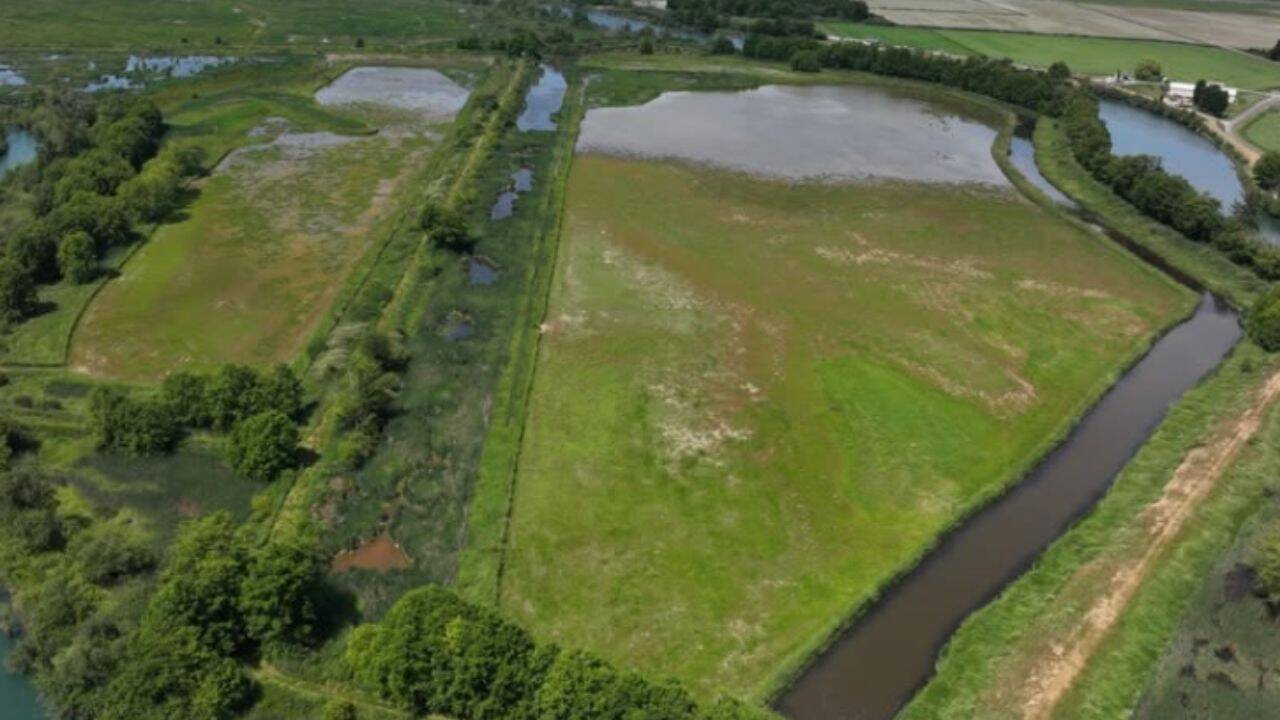
The Washington Department of Fish and Wildlife (WDFW) has initiated a major restoration project to reconnect two islands in the 270-acre South Fork Skagit River estuary. This initiative aims to revert the site, previously altered for agricultural use, back to its natural intertidal and marsh habitat. Scheduled to conclude in fall 2028, the Island Unit Restoration Project involves removing barriers that currently restrict tidal and river flows.
The removal of dikes, levees, and tide gates will allow water to flow more naturally across the landscape, creating conditions that support salmon and other wildlife. The project's primary beneficiaries are the threatened Puget Sound Chinook salmon, listed under the Endangered Species Act. Estuaries, like the one being restored, are crucial nurseries for young fish, providing food and shelter as they transition from freshwater to ocean.
The restoration is expected to enhance habitat for juvenile salmon, potentially benefiting not only salmon but also a variety of other wildlife, including waterfowl, shorebirds, and Southern Resident killer whales whose primary prey is Chinook salmon. The transformation will take several years, during which the area remains closed to public access.
Once completed, the islands will resemble the historical tidal landscape, contributing to a more functional estuary that can support salmon, wildlife, and the broader Skagit River ecosystem for years to come.
Written by urgent.news from Times of India's reporting — not their text. Machine-written — may contain errors; check the original before relying on it.