US immigration agency plans to buy electric shock gloves, raising alarm among rights advocates
WASHINGTON: The US Immigration and Customs Enforcement agency plans to buy electric shock gloves for officers in the field, alarming rights advocates who have condemned the action of ICE during President Donald Trump’s immigration crackdown.
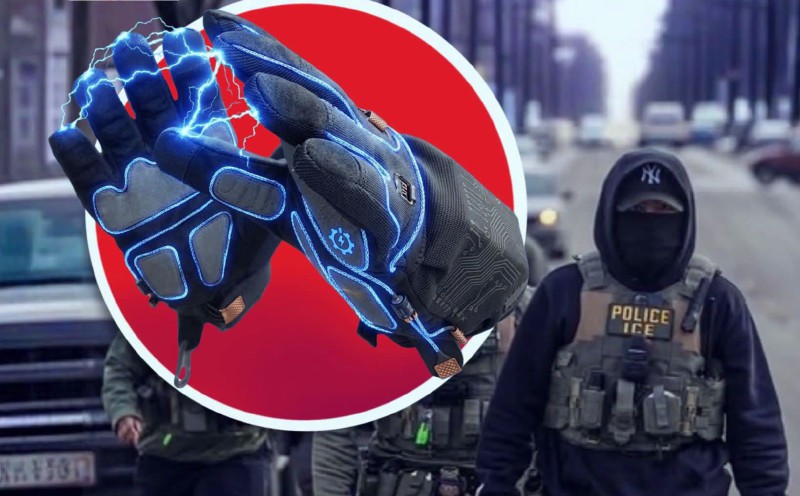
The US Immigration and Customs Enforcement agency intends to purchase electric shock gloves for its officers in the field, sparking concern among rights advocates. These gloves, known as CTG-5 Generated Low Output Voltage Emitter, or GLOVE units, are designed to disrupt a person's ability to respond. The Department of Homeland Security, which oversees ICE, announced plans to spend up to $20 million on the devices.
DHS officials described the gloves as a Conductive Distraction and De-escalation Device, intended for Homeland Security Investigations and Enforcement Removal Operations officers and agents. The American Civil Liberties Union (ACLU) criticized the move, stating that providing immigration agents with a covert method to inflict severe pain could result in further harm to the public and diminished accountability.
ICE officers undergo de-escalation training and receive regular use-of-force instruction, according to DHS. The agency emphasized that every decision is made with thorough consideration and reviewed to ensure compliance with all relevant law enforcement policies and standards. In recent months, ICE agents have been involved in fatal shootings of two US citizens in Minnesota, as well as concerns about conditions in ICE detention centers, leading to nationwide protests against the agency's tactics.
Over 50 individuals have died in ICE custody since President Donald Trump took office in January of the previous year. Trump asserts that the immigration crackdown aims to enhance domestic security, while rights groups argue that his crackdown has violated free speech and due process rights, creating an unsafe environment, particularly for ethnic minorities, who have raised concerns about racial profiling.
Written by urgent.news from New Straits Times's reporting — not their text. Machine-written — may contain errors; check the original before relying on it.