US-China rivalry takes flight over scramble for contracts at Ethiopia’s Bishoftu airport
Ethiopia’s new US$12.5 billion mega-airport project has thrust the nation into the heart of a geopolitical tug of war between the United States and China. Ethiopian Airlines, Africa’s largest carrier, is developing the massive Bishoftu International Airport, located 40km (25 miles) southeast of the capital Addis Ababa to serve as a primary hub for African trade and travel. The project has…
The US-China rivalry has intensified over the competition for contracts at Ethiopia's groundbreaking Bishoftu Airport, which is being developed for a projected US$12.5 billion. Ethiopian Airlines, Africa's largest carrier, is spearheading the massive Bishoftu International Airport project, located 40km southeast of the capital Addis Ababa. The airport's construction is expected to boost African trade and travel by serving as a primary hub.
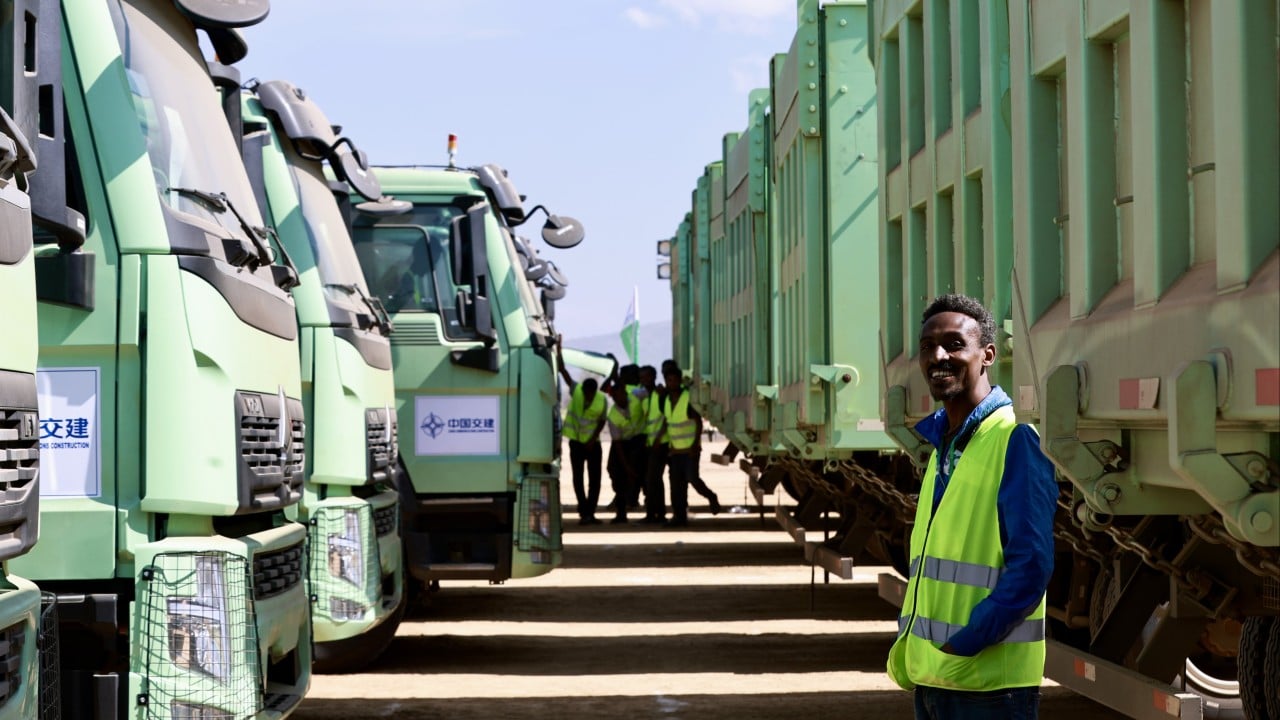
While Chinese state-owned enterprises and joint ventures make up roughly half of the shortlisted bidders, major American construction firms like Boeing and GE are also vying for future contracts. Washington is actively pushing for stronger US participation in the project, with Deputy Assistant Secretary of Commerce for the Middle East and Africa Mark Mitchell emphasizing the importance of this partnership.
Costantinos Berhutesfa Costantinos, professor of public policy at Addis Ababa University, noted that the competition reflects how infrastructure development in the Horn of Africa has become a new battleground for US-China rivalry. Both nations view major transport hubs as critical nodes in their respective strategic interests.
Ethiopian Airlines will contribute 20 to 30 percent of the project's funding and is currently seeking international loans to cover the remaining balance. The African Development Bank has committed US$500 million and is leading fundraising efforts, with major US entities such as the Export-Import Bank and JPMorgan Chase expressing strong interest.
Ethiopia aims to complete the airport's civil works by the end of this year, with phase one expected to accommodate up to 60 million passengers annually by 2030, scaling up to 110 million passengers and nearly 4 million tonnes of cargo annually upon completion.
Written by urgent.news from South China Morning Post's reporting — not their text. Machine-written — may contain errors; check the original before relying on it.