Urban heat islands have solutions; many tropical cities can’t afford them
Urban heat islands pose a growing global health threat. But in tropical cities, the peril is surging. Already burdened by hot-humid equatorial weather, global warming, intense poverty, rapid urbanization, and a lack of cooling infrastructure, tropical city officials now face a powerful 2026-2027 El Niño that could put millions of vulnerable urban dwellers at risk. […]
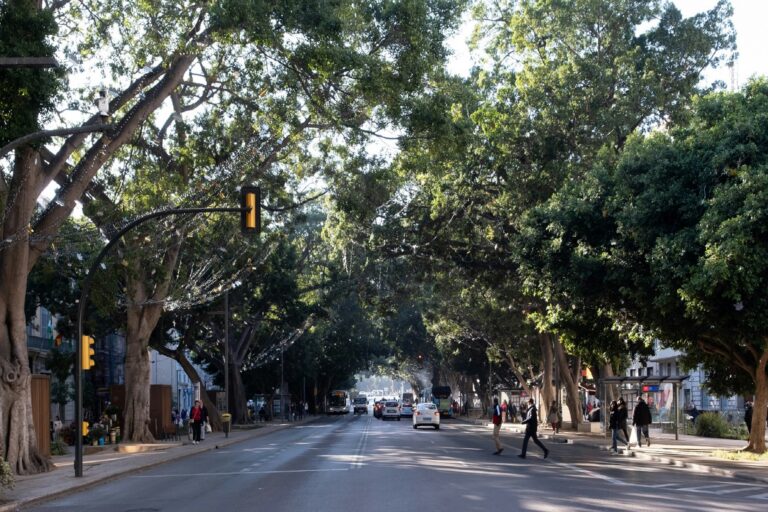
Urban heat islands (UHIs) present a rising global health hazard, particularly in tropical cities. These cities, already challenged by scorching, humid equatorial weather, now grapple with the additional threat of global warming, extreme poverty, swift urbanization, and scarce cooling infrastructure. A powerful 2026-2027 El Niño could further exacerbate the risks to millions of vulnerable urban inhabitants.
Heat islands arise due to artificial surfaces, such as roads and rooftops, absorbing heat during the day and releasing it at night, failing to grant urban areas the opportunity to cool down. When climate change-induced heat domes envelop cities, temperatures can skyrocket for weeks, reaching triple-digit levels. Each city possesses its unique rhythm and metabolism, with how incoming solar energy is distributed among heating surfaces, warming the air, evaporating water, and being stored in the ground and buildings influencing the intensity of UHIs.
The nature of urban heat islands varies, with their severity contingent on innovative city planning and financial resources to maintain pace with global warming. Wealthier cities like Singapore, which have invested heavily in reducing UHI effects, still experience outdoor temperatures up to 4.3°C (7.9°F) higher than rural areas, primarily due to compact high-rise building complexes. Conversely, poorer cities like Lagos face an even more formidable challenge in combating UHIs.
Written by urgent.news from Mongabay's reporting — not their text. Machine-written — may contain errors; check the original before relying on it.