U.S. and Japan plan world’s deepest undersea mine to challenge China
A tiny Japanese island sits astride deep-sea rare earth deposits — ones that could "meet centuries' worth of industrial demand," a U.S.-Japan statement said.
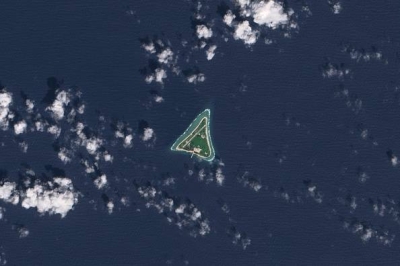
In March, U.S. President Donald Trump and Japanese Prime Minister Sanae Takaichi met at the White House. Their discussions extended beyond the usual topics to include a remote Japanese island named Minamitorishima. This island, barely big enough to accommodate human visitors, is located over 1,000 miles southeast of Tokyo. Apart from a weather station and a runway, Minamitorishima has little else in terms of infrastructure.
However, the island's strategic importance lies in its location over deep-sea rare earth deposits. The U.S.-Japan statement following the summit suggested that these deposits could meet "centuries' worth of industrial demand." Nevertheless, skepticism remained widespread. Despite decades of global seabed exploration and mapping, no mining projects on this scale have been successfully executed.
Moreover, international guidelines regarding such mining activities are still under debate. Minamitorishima's potential treasure, encased in mud, is particularly noteworthy due to its depth. The deposits, situated around 6 kilometers beneath the ocean's surface, present a significant challenge for extraction.
Written by urgent.news from Japan Times's reporting — not their text. Machine-written — may contain errors; check the original before relying on it.