Trump’s tariff was a $1,000 tax on you last year. This year, maybe you’ll get a small refund in your bank account
FedEx, UPS and DHL are refunding tariffs directly after courts struck down Trump's import taxes, but most retailers plan to cut prices instead.
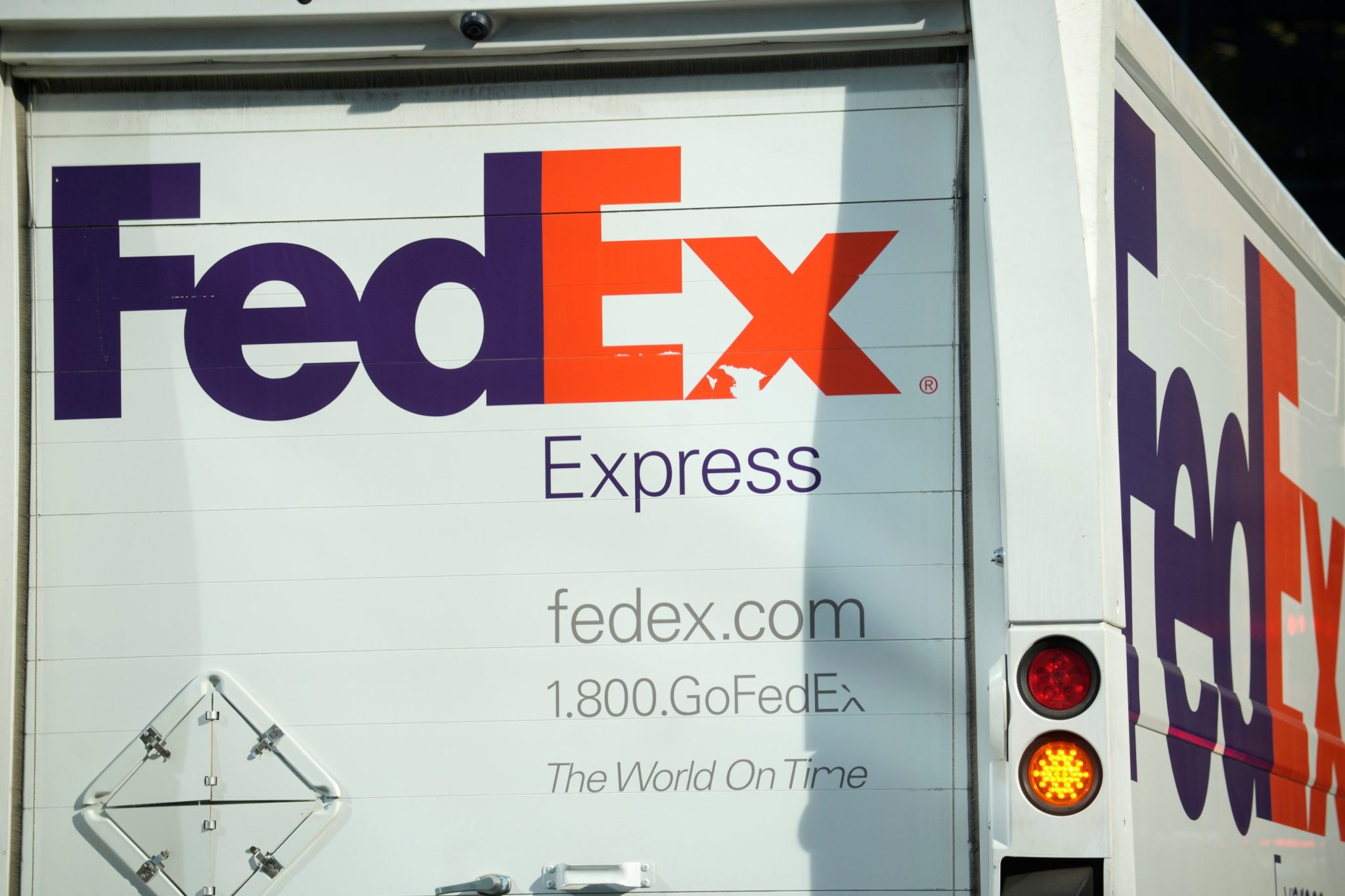
If you made a purchase from an overseas seller last year, you might want to check your bank account. FedEx, UPS, and DHL, which act as customs brokers for imported packages, have begun passing on tax refunds from the U.S. government to the customers who originally paid the tariffs. These refunds are the final phase in a lengthy process that began in February when the Supreme Court overturned the tariffs imposed by President Donald Trump in March 2025.
The court instructed the government to return the tariffs collected, and so far, about $100 billion in refunds have been given to companies. This doesn't mean Americans will see a large portion of what they paid in tariffs, as most were indirectly paid. In 2025, the tariffs amounted to an average tax increase of $1,000 per U.S. household, according to the Tax Foundation.
However, some consumers are receiving a portion of the refunds directly through their credit cards or bank accounts. Shippers FedEx, UPS, and DHL are returning the refunds in phases based on when they were paid. Customers don't need to apply for their refund; they can simply enter their tracking numbers on the FedEx website to check if they are eligible.
Retailers, on the other hand, have mostly absorbed the tariffs or passed them on indirectly through changes in their product lines, making a consumer refund unlikely. Amazon received $600 million in tariff refunds in the second quarter, but it will use the refunds to lower prices for customers. Retailers like Best Buy and Costco plan to return the tariffs they received to consumers in some form, but the exact amount and timing depend on various factors, including the amount of refund money received and developments in the lawsuits filed against the companies regarding the return process.
Numerous class-action lawsuits have been filed by customers against retailers, but they face challenges in proving that the price increases were specifically tied to the tariffs.
Written by urgent.news from Fortune's reporting — not their text. Machine-written — may contain errors; check the original before relying on it.