Total solar eclipse stuns skywatchers | Space photo of the day for Aug. 13, 2026
This photo, snapped just as the Aug. 12 solar eclipse was about to enter its totality phase, really captures the drama of the moment.
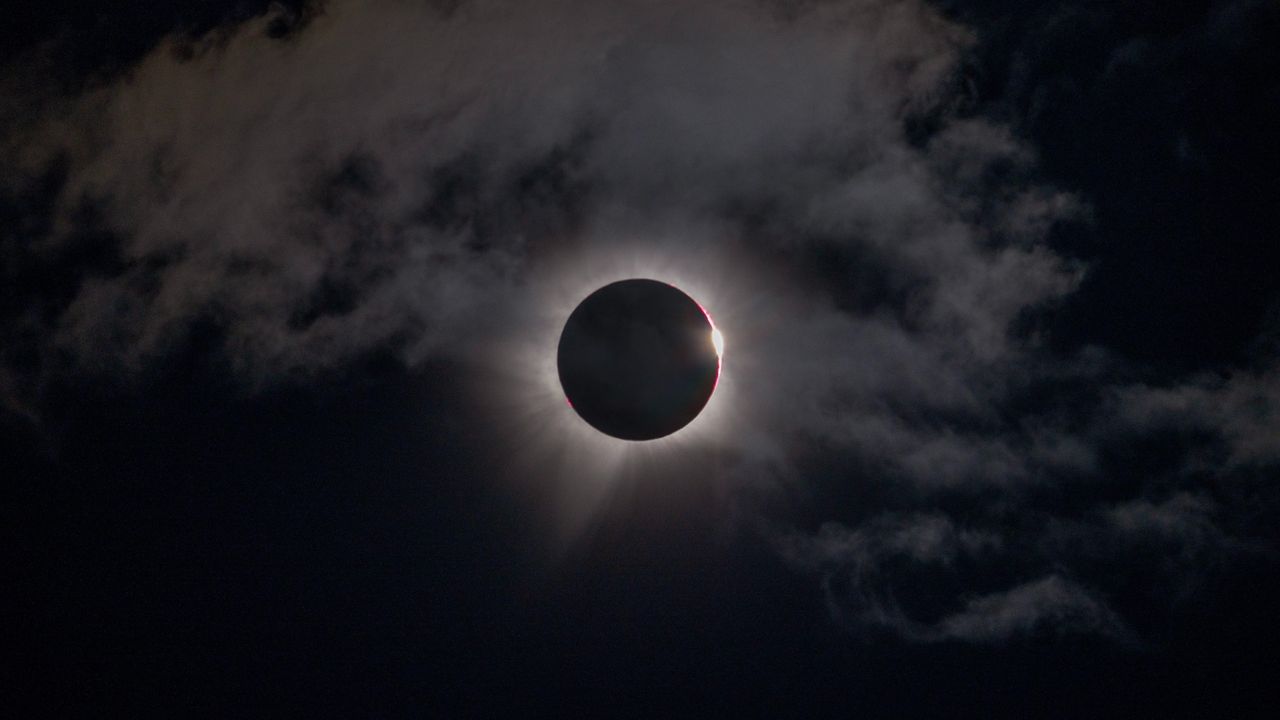
A spectacular total solar eclipse occurred on August 12, 2026, capturing the attention of millions of skywatchers globally. The phenomenon takes place when the moon traverses in front of the sun, completely obscuring it from view on Earth.
A partial solar eclipse, where only a portion of the sun's face is hidden, differs from the comprehensive obscuration of a total solar eclipse. For those fortunate enough to be within the narrow path of totality, the experience is profoundly unforgettable.
During a total solar eclipse, the sun's disappearance behind a black disk creates an almost surreal and magical spectacle. This event, while predictable due to orbital dynamics, still stuns observers as the sun seemingly vanishes, replacing daylight with an eerie twilight.
Wildlife reacts peculiarly during totality, with typically nocturnal animals emerging due to the unexpected shift in lighting. The experience is not merely a visual treat but also an auditory one, as previously quiet creatures become active due to the change in their environment.
Skywatching editor Daisy Dobrijevic of Space.com provided firsthand account of witnessing the eclipse from Scoresby Sund near Greenland. Dobrijevic, who had previously written about and spoken on total solar eclipses, was overwhelmed by the experience, describing it as "completely in awe."
As the eclipse approached its end, thin clouds drifting into the scene only amplified the drama of the moment. Each detail combined to make the already extraordinary sight an unforgettable memory for those who witnessed it.
Written by urgent.news from Space.com's reporting — not their text. Machine-written — may contain errors; check the original before relying on it.
This story
This is one outlet's version. Read the fullest account.