This SA river has a bacteria count off the charts: a natural filter is cleaning it
Water researchers are working more closely with nature – and learning from it – as a means of treating and reusing water.
Every day, millions of litres of polluted water flow through South African rivers, ultimately disappearing into the sea. The Stiebeuel River in Franschhoek, located 75 kilometres east of Cape Town, is one such river that is severely polluted due to inadequate sanitation and drainage systems in the nearby informal settlement of Langrug, where about 26,000 people live in densely populated housing.
As a water researcher at the University of Cape Town's Future Water Institute and the Water Hub in Franschhoek, the reporter is part of a team studying how nature can be leveraged to treat and reuse water. The team is working at an old wastewater treatment plant, transforming it into a living laboratory to demonstrate how highly contaminated water can be turned into a safe resource without the addition of chemicals.
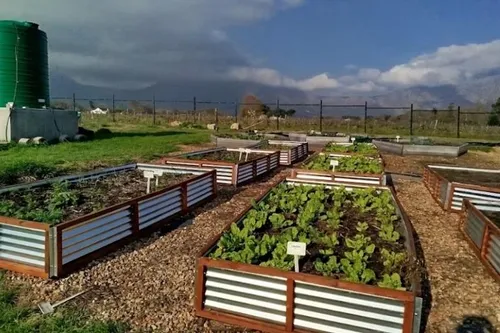
In a recent project, the researchers set up natural water filtering systems using old drying beds filled with small stones, biochar, and coarse sand. These filter beds effectively removed pollutants such as bacteria and nutrients from the river water, making it suitable for irrigation after about five days. The water was found to be free of E. coli bacteria and contained 85% to 95% less ammonia and phosphorus compared to its original level.
While nature-based systems cannot completely replace traditional wastewater treatment plants, the findings highlight their potential to help municipalities facing rising electricity costs, deteriorating infrastructure, and limited technical skills. These systems can also help communities make better use of limited water supplies, especially in areas affected by drought and climate change.
The Stiebeuel River, once a place for bathing, has now become a dumping ground for solid waste and carries excessive levels of E. coli bacteria (over 400,000 colony forming units per 100ml), as well as high levels of ammonia and phosphorus due to household cleaning agents. These factors contribute to the river's declining water quality, increase treatment costs, and put pressure on the already scarce freshwater supply.
Instead of relying on energy-intensive methods like chemical disinfection, the researchers built a large-scale biofiltration system that copies the natural cleansing process of wetlands. This system treats approximately 50,000 litres of polluted water daily, recycling 3,000 litres for irrigation purposes. The remaining water is discharged back into the river, contributing to the overall health of the river system and promoting cleaner water downstream.
The Water Hub's research demonstrates the effectiveness of decentralised water treatment solutions, which can be replicated in other communities. By combining science, engineering, and community participation, these systems not only improve water quality but also support food production, livelihoods, and water security.
Written by urgent.news from IOL's reporting — not their text. Machine-written — may contain errors; check the original before relying on it.