There's a new status quo in Hormuz
While both the US and Iran make claims to operating Hormuz, the reality may be that it’s a small fleet of oil tankers actually running the waterway.
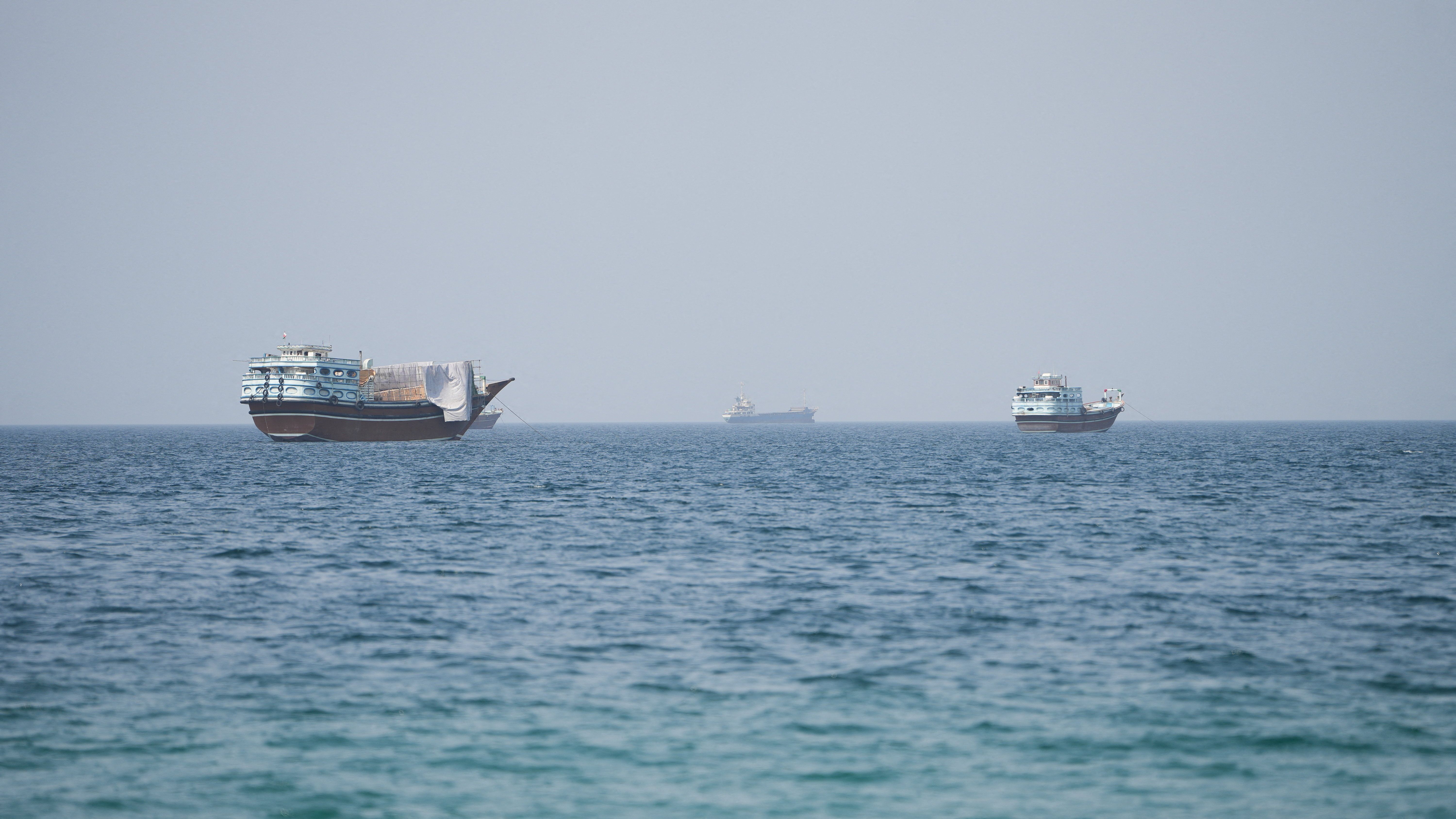
The Strait of Hormuz, a crucial chokepoint for global oil trade, is currently governed by a new unofficial status quo. While President Trump claims the US "owns" the strait, the reality is that it belongs to a select group of oil tankers that have established a new norm. These tankers, each carrying up to $150 million in crude, predominantly follow a southern corridor, avoiding detection during their trips.
The majority of these tankers utilize a "shuttle" route, transferring their cargo to other vessels outside the Gulf, though some continue to distant ports. The fleet comprises primarily South Korean and Greek-owned tankers, along with state-owned energy companies from the Gulf region. Despite the risks, including the threat of Iranian attacks, these tankers are reaping significant profits.
The United Arab Emirates once led in exports through the route, but its share has dwindled to less than a quarter of the volume. Now, Kuwait, Iraq, Saudi Arabia, and Qatar have increased their share, with the UAE accounting for around a fifth of the volume. The average daily crude output through the southern route is approximately 5 million barrels, which is about a third of pre-war levels and half of what US Energy Secretary Chris Wright reported.
While some oil might be evading detection, the volume is substantial enough to be concerning to Iran. The impasse regarding shipping lanes is unlikely to be resolved soon, with both the UAE and Iran maintaining their positions. The situation underscores the strategic importance of the Strait of Hormuz, especially as other routes face increasing threats.
Written by urgent.news from Semafor's reporting — not their text. Machine-written — may contain errors; check the original before relying on it.